At a Glance
The United States has lifted its blockade on Iranian ports as part of a digital memorandum of understanding (MoU) signed by Presidents Trump and Pezeshkian. This significant concession opens the door for 60 days of direct talks aimed at de-escalating tensions and addressing critical issues, including Iran’s nuclear program.
Key Takeaways
The main points at a glance
- The US has lifted its blockade on Iranian ports, a major concession in a newly signed digital memorandum of understanding (MoU).
- This agreement initiates a 60-day period of talks between the US and Iran, focusing on the nuclear program and other disputes.
- The lifting of the blockade is expected to ease global shipping and oil trade, potentially stabilizing volatile oil prices.
- The MoU was signed digitally by Presidents Trump and Pezeshkian, reflecting ongoing mistrust, and is seen as a roadmap for negotiations rather than a binding treaty.
- Switzerland will act as a mediator for the indirect talks, which aim to build momentum for a broader deal.
- Experts express caution due to the MoU’s vagueness and the inherent distrust between the two nations, highlighting the potential for either progress or renewed tensions.
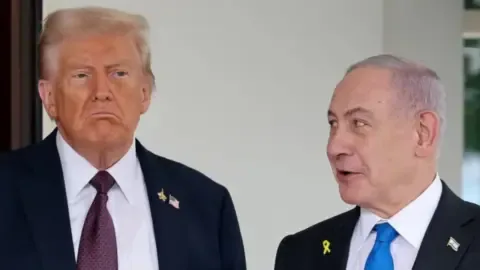
The United States has lifted its blockade on Iranian ports, a major concession, as part of a memorandum of understanding (MoU) signed digitally by US President Donald Trump and Iranian President Masoud Pezeshkian. This move sets the stage for 60 days of talks between the two longtime foes, covering wider issues including Iran’s nuclear programme.
The digital signing happened ahead of a planned formal ceremony in Switzerland, though details of that event remain unclear. The MoU was reportedly signed in Islamabad, Pakistan, according to Yeni Safak English. This is not a full peace deal but a preliminary agreement, as France 24 noted, aimed at de-escalating tensions that have simmered for decades.
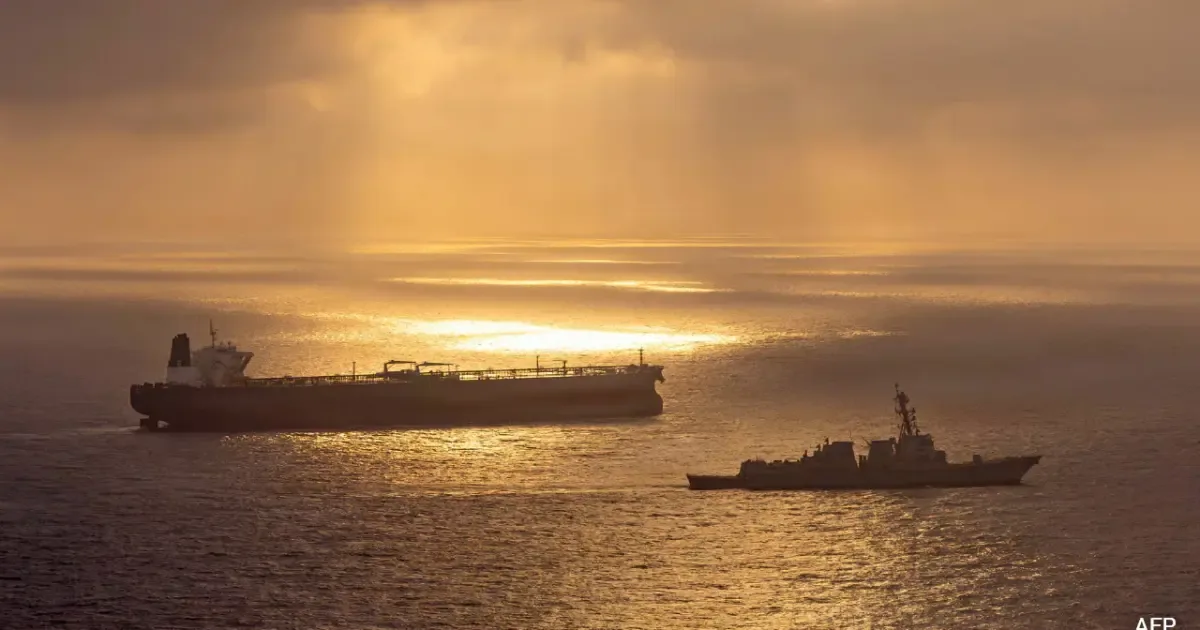
The lifting of the ports blockade is a significant US concession, allowing Iranian ports to operate without the threat of US naval interference. This could have a big impact on global shipping and oil trade, because Iran is a major oil producer and its ports are key for exports. The move is seen as a confidence-building step before the 60-day talks begin.
US Lifts Iran Ports Blockade: A Key Development
The US blockade on Iranian ports had been in place as part of broader sanctions and military pressure aimed at isolating Iran economically. The blockade meant that US Navy ships could stop and search vessels heading to or from Iranian ports, disrupting trade. Lifting it is a rare concession by Washington, signaling a potential thaw in relations.
The exact terms of the MoU are not fully public, but sources including Al-Monitor, Yeni Safak English, MSN, and France 24 provide a picture. The blockade is lifted immediately, allowing Iranian ports to resume normal operations. This includes the key port of Bandar Abbas, a hub for oil exports and container shipping. The move is expected to ease the flow of goods, including oil, which could help stabilize global oil prices that have been volatile due to tensions in the Middle East.
The lifting of the blockade also has a human angle. Ships carrying food, medicine, and other essentials can now reach Iran more easily. This could help ordinary Iranians who have faced shortages due to sanctions. However, experts caution that the blockade could be reinstated if talks fail, so the relief may be temporary.
Understanding the Digital MoU Between the US and Iran
The MoU was signed digitally by Trump and Pezeshkian, a format that avoids in-person meetings. This reflects ongoing mistrust between the two countries. The digital signing happened in a secure manner, with the document reportedly finalized in Islamabad before the Swiss ceremony, according to Yeni Safak English.
The MoU sets a framework for talks over 60 days, covering a range of issues. The main focus is Iran’s nuclear programme, which the US and its allies fear could be used to build nuclear weapons. Iran says its programme is for peaceful purposes, like energy and medicine. The talks will also cover other areas of disagreement, such as Iran’s ballistic missile programme and its support for armed groups in the Middle East.
The MoU is not a treaty or a legally binding agreement, as France 24 pointed out. It is more like a roadmap for negotiations. This means both sides can walk away without breaking international law. But the fact that both leaders signed it gives it political weight. The 60-day period is designed to build momentum for a broader deal, but there is no guarantee of success.
Switzerland is playing a key role as a mediator. The Swiss embassy in Tehran has long been a channel between the US and Iran, because the two countries do not have direct diplomatic relations. The Swiss ceremony is expected to formalize the MoU, but its exact date and location are still unclear. Al-Monitor reported uncertainty about the Swiss talks, saying details are ‘clouded’ by lack of clarity.
The 60-Day Negotiation Window: What Happens Next
The 60-day period begins now, with the digital signing and the lifting of the blockade. During this time, US and Iranian officials are expected to hold talks in Switzerland. These talks will be indirect, with Swiss diplomats shuttling between the two sides. The goal is to reach a preliminary understanding on the nuclear programme and other issues, which could lead to a wider deal.
The nuclear programme is the biggest sticking point. Iran has enriched uranium to levels close to weapons-grade, which alarms the US and its allies. The US wants Iran to roll back its enrichment activities. Iran wants the US to lift all sanctions, not just the ports blockade. The 60-day talks will likely focus on finding a middle ground, such as limits on enrichment levels in exchange for sanctions relief.
Other issues on the table include Iran’s ballistic missile programme, which the US sees as a threat to Israel and Gulf allies. Iran says its missiles are for defense. The talks may also address Iran’s role in conflicts in Yemen, Syria, and Iraq, where it supports groups like Hezbollah and the Houthis. But these are complex issues that may not be resolved in 60 days.
The timeline is tight. If no progress is made, the US could reimpose the blockade and ramp up pressure. Iran could also resume more aggressive nuclear activities. Both sides have an incentive to show some progress, but deep distrust remains.
Human Impact: Indian Seafarers and the Blockade Relief
Indian Prime Minister Narendra Modi has urged US President Trump to protect Indian seafarers working on Iranian ships. This adds a human angle to the story. Many Indians work on commercial vessels that dock at Iranian ports. The blockade had put them at risk, because US Navy ships could stop their ships or detain them.
Modi’s plea highlights the economic stakes for India. India is a major importer of Iranian oil and has close ties with Iran. Indian seafarers are a vital part of global shipping, and their safety is a priority for the Indian government. Modi’s intervention shows how the US-Iran deal affects countries beyond the two main players.
The lifting of the blockade should ease these concerns. Indian seafarers can now work without the threat of US interference. But Modi’s plea also reflects broader worries about the impact of US sanctions on ordinary people. The human cost of geopolitical tensions often gets overlooked, and Modi’s move brings it back into focus.
Expert Analysis: Uncertainty Surrounding the Swiss Talks
Experts quoted by Al-Monitor and other outlets express caution. The Swiss talks are clouded by uncertainty, they say. No one knows exactly what will be discussed or how the 60-day period will unfold. The MoU is vague on specifics, leaving room for interpretation. This could be a deliberate strategy to keep talks flexible, but it also creates risk.
Some experts argue that the lifting of the blockade is a smart move by the US. It shows goodwill and gives Iran an incentive to negotiate seriously. Others say it is a risky concession that Iran could exploit to buy time while continuing its nuclear activities. The 60-day period is short, and if no deal emerges, the US could look weak for having lifted the blockade without getting much in return.
The role of Switzerland is also a question. Switzerland has a long history as a neutral mediator, but it has limited influence over the outcome. The talks will depend on the willingness of both sides to compromise. Iran’s Supreme Leader Ayatollah Ali Khamenei has final say on nuclear issues, and his stance is hard-line. Trump, meanwhile, faces domestic pressure from hawks who want a tougher line on Iran.
The uncertainty is heightened by the fact that the MoU was signed digitally and not in person. This suggests a lack of trust, and it may make it harder to build the personal relationships needed for successful talks. The Swiss ceremony, if it happens, could help bridge that gap, but it is not guaranteed.
US-Iran Relations and the Nuclear Programme: A Broader View
The US and Iran have been enemies since the 1979 Iranian revolution and the hostage crisis. Tensions have spiked in recent years over Iran’s nuclear programme. In 2015, the US and other world powers signed the Joint Comprehensive Plan of Action (JCPOA), which limited Iran’s nuclear activities in exchange for sanctions relief. But Trump pulled the US out of the deal in 2018, calling it flawed. He reimposed sanctions, and Iran began enriching uranium beyond the limits set by the JCPOA.
Since then, attempts to revive the deal have failed. The current MoU is a new approach, focusing on small steps rather than a comprehensive deal. The lifting of the ports blockade is a key part of this strategy. It is a tangible benefit for Iran, which could help persuade it to make concessions on the nuclear programme.
The nuclear programme is the core issue. Iran now has enough enriched uranium to make several nuclear weapons, if it chooses to. The International Atomic Energy Agency (IAEA) says Iran is enriching to 60% purity, close to the 90% needed for weapons. Iran insists its programme is peaceful, but the US and Israel see it as a threat. The 60-day talks will aim to cap enrichment levels and increase IAEA inspections.
The global implications are huge. A nuclear-armed Iran could trigger an arms race in the Middle East, with Saudi Arabia and Turkey seeking their own bombs. It could also threaten Israel, which has vowed to prevent Iran from getting a nuclear weapon. The US wants to avoid a military conflict, which would be costly and destabilizing. Diplomacy is the preferred option, but it is fragile.
The lifting of the ports blockade also affects global oil markets. Iran is a key OPEC member, and its oil exports have been cut by sanctions. If the blockade stays lifted, Iran could increase exports, which would lower oil prices. This would benefit countries like India and China that import oil, but it could hurt US oil producers. The impact on prices will depend on how much Iran can ramp up production quickly.
The 60-day talks are a test of whether the US and Iran can find common ground. Both sides have reasons to negotiate. The US wants to prevent a nuclear crisis without another war in the Middle East. Iran wants sanctions relief to revive its struggling economy. But the path is narrow, and the stakes are high. The world will be watching closely as the talks proceed.
Frequently Asked Questions
What is the main outcome of the US-Iran digital MoU?
The main outcome is the US lifting its blockade on Iranian ports. This is a significant concession that paves the way for 60 days of talks between the two countries on critical issues, including Iran's nuclear program.
Why was the MoU signed digitally?
The MoU was signed digitally by Presidents Trump and Pezeshkian to avoid in-person meetings, reflecting the deep mistrust that persists between the United States and Iran. The signing reportedly took place securely in Islamabad.
What are the key issues to be discussed during the 60-day talks?
The primary focus of the 60-day talks will be Iran's nuclear program. Other significant issues include Iran's ballistic missile program and its support for regional armed groups. The goal is to de-escalate tensions and potentially reach a broader agreement.
What is the significance of lifting the blockade on Iranian ports?
Lifting the blockade allows Iranian ports to operate without the threat of US naval interference, which is crucial for Iran's oil exports and global shipping. This move is expected to ease trade and could help stabilize international oil prices.
What role will Switzerland play in the US-Iran talks?
Switzerland will serve as a mediator for the upcoming talks. Due to the lack of direct diplomatic relations between the US and Iran, Swiss diplomats will facilitate indirect negotiations between the two parties.
Are there any concerns about the 60-day talks?
Yes, experts express caution due to the MoU's vagueness and the deep distrust between the US and Iran. There is uncertainty about the specifics of the discussions and the potential for success within the tight 60-day timeframe.
How does this agreement affect global oil markets?
The lifting of the blockade could allow Iran to increase its oil exports, potentially leading to lower global oil prices. This would benefit oil-importing countries but could impact US oil producers.
References
- US Lifts Iran Ports Blockade Ahead Of Swiss Ceremony – Original report (NDTV World)
- US lifts Iran ports blockade as uncertainty clouds Swiss Iran talks – Al-Monitor – This source highlighted the uncertainty surrounding the Swiss talks and the lifting of the ports blockade as a key US concession.
- Modi urges Trump to protect Indian seafarers amid Iran deal – Yeni Şafak English – This source added the angle of Indian PM Modi's plea to Trump to protect Indian seafarers, highlighting human and economic stakes.
- US, Iran leaders digitally sign peace MoU before Swiss event – MSN – This source confirmed the digital signing of the MoU by Trump and Pezeshkian before the Swiss event.
- What we know about the US-Iran memorandum of understanding – France 24 – This source provided context that the MoU is a preliminary agreement, not a full peace deal, and outlined the 60-day period for talks.
- Islamabad MoU sets stage for US-Iran talks in Switzerland – Yeni Şafak English – This source noted that the MoU was signed in Islamabad, setting the stage for the Swiss talks.