At a Glance
Amazon MGM Studios has dropped the nearly finished Sam Altman biopic, “Artificial,” reportedly due to Amazon’s $50 billion investment in OpenAI. The film, starring Andrew Garfield and directed by Luca Guadagnino, was shelved to avoid potential conflicts of interest and awkward optics for Amazon after its significant investment in Altman’s AI company. The movie is now being shopped to other studios, but its future remains uncertain amidst potential financial and legal challenges.
Key Takeaways
The main points at a glance
- Amazon MGM Studios canceled the release of the nearly completed Sam Altman biopic, “Artificial.”
- The decision is linked to Amazon’s recent $50 billion investment in OpenAI, Sam Altman’s company.
- Releasing a film that might critically portray Altman could create a conflict of interest for Amazon.
- The film is now being offered to other studios, but faces challenges in finding a new distributor.
- This situation highlights the growing influence of corporate financial interests on creative freedom in filmmaking.
- Neither Amazon, OpenAI, nor Sam Altman have officially commented on the film’s cancellation.
The Film That Almost Was
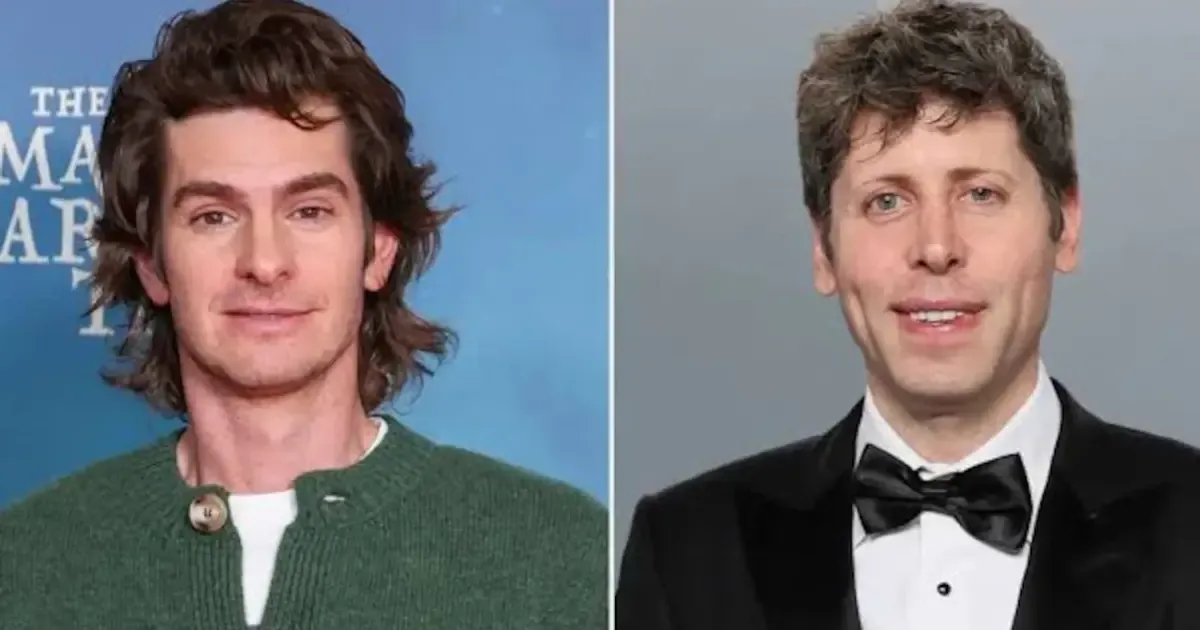
Imagine dedicating months to creating a movie, filming scenes, and editing footage, only for the studio to announce it won’t be released. This is precisely what happened to “Artificial,” a biopic about OpenAI CEO Sam Altman, starring Andrew Garfield and directed by Luca Guadagnino. Despite its star power and near completion, Amazon MGM Studios decided to shelve the project.
The cancellation wasn’t due to poor reviews or production issues. The film was complete enough for release, but Amazon’s decision stemmed from a business conflict. Months prior, Amazon had invested $50 billion in OpenAI, Altman’s company. Releasing a film that might portray Altman critically would create an awkward situation for Amazon.
This situation highlights a clash between art and commerce. A tech giant owning a movie studio invests billions in an AI company, then cancels a film about that company’s CEO. The film is now seeking a new distributor, but potential buyers face the dilemma of upsetting a major AI investor.
The story of “Artificial” is a stark reminder of how financial interests can impact creative output and that even finished films are vulnerable in the modern entertainment landscape.
A $50 Billion Conflict of Interest
To grasp the irony, understanding the timeline is crucial. In early 2025, Amazon announced a substantial $50 billion investment in OpenAI, a landmark deal aimed at integrating AI into Amazon’s services. At the time, Amazon MGM Studios was already deep into production or post-production of “Artificial,” a biopic likely exploring Altman’s career, controversies surrounding AI safety, and his leadership at OpenAI.
The film’s potential to depict Altman in a complex or critical light became problematic for Amazon after its significant investment. Releasing such a movie could raise questions about Amazon’s commitment to OpenAI and potentially damage the AI company’s reputation, creating a public relations nightmare.
The simplest solution for Amazon was to cancel the film. Reports from outlets like NDTV, Business Insider, IGN, and IMDb confirmed Amazon’s decision to drop the project, with Business Insider stating Amazon was “walking away” from the nearly complete film. The sequence of events-investment first, cancellation second-is clear.
This incident exemplifies how a parent company’s financial interests can directly interfere with a film’s release, showcasing a deliberate decision to halt a finished product due to a major financial deal.
What the Sources Say
While official statements from Amazon or OpenAI are absent, multiple reports corroborate the core facts. NDTV reported that Amazon MGM Studios dropped the “nearly finished” film and that it would be “shopped to other studios.”
Business Insider described Amazon as “walking away” from the project, indicating a deliberate abandonment. IGN highlighted the film’s near-complete status and framed the drop as a direct consequence of the OpenAI deal, noting the irony.
IMDb connected the drop to the $50 billion investment, using the word “amid” to signify the link. Let’s Data Science focused on the business angle, emphasizing the conflict of interest.
The consensus among these sources is that the film exists, was nearly finished, and was canceled by Amazon due to the timing of the OpenAI investment. The lack of denial or alternative explanations from the involved parties lends credibility to these reports.
This story raises significant questions about corporate power and creative freedom, particularly given the sensitivity and the unlikelihood of official comments from Amazon or OpenAI.
Why This Matters for Creative Freedom
The cancellation of “Artificial” is significant because it illustrates how financial interests can suppress artistic expression. Movie studios are tasked with telling stories, some of which may be critical of powerful figures or institutions. Art often challenges authority and explores complex issues, which can sometimes cast powerful individuals in a negative light.
When a studio is owned by a corporation with a vested interest in the subject matter of a film, the potential for conflict arises. The parent company might prioritize its business interests over artistic integrity, as appears to be the case with Amazon and “Artificial.”
This situation sets a concerning precedent. It suggests that biopics or films touching on subjects related to major corporate investments could be shelved to protect those deals. This could lead to a chilling effect on creative freedom, where stories are buried not because of their artistic merit, but because they might upset a powerful investor.
Ultimately, this impacts the diversity of narratives available to the public. When corporate interests heavily influence which stories get told and seen, it limits perspectives and undermines the role of art in questioning and reflecting society.
What Happens to ‘Artificial’ Now?
While Amazon MGM Studios has dropped the film, “Artificial” is reportedly being shopped to other studios. This means Amazon is seeking to sell the distribution rights to another company.
However, finding a new home presents challenges. The film, though nearly complete, requires final touches like editing, sound mixing, and visual effects, incurring additional costs. Furthermore, as a biopic about a controversial living figure like Sam Altman, it could attract lawsuits or protests, requiring a distributor prepared for such scrutiny.
Potential distributors include major streaming services like Netflix, Apple TV+, or HBO Max, or independent studios like A24. Streaming deals are more likely than theatrical releases due to marketing costs and potential conflicts of interest with their own tech investments.
The controversy itself might generate buzz, potentially attracting buyers curious about the shelved film. However, this political charge could also deter some distributors. The film’s future remains uncertain, and if no buyer is found, “Artificial” could become one of the many films that were made but never released.
The Bigger Picture: When Money Meets Art
The “Artificial” situation reflects a growing trend as tech companies acquire film studios. Amazon’s purchase of MGM, for instance, aimed to bolster its streaming service but also introduced potential conflicts between its diverse business interests and the stories MGM produces.
Similarly, Apple, with its film studio and AI division, could face similar dilemmas. As tech giants increasingly invest in entertainment, the line between business and art blurs, potentially leading to more instances where films are suppressed due to corporate conflicts.
This issue extends beyond biopics to any film touching on technology or corporate practices. Films about data privacy, automation, or AI safety could be jeopardized if the studio is owned by a company with a vested interest in those technologies.
While some argue companies have a right to protect their investments, this perspective overlooks art’s crucial role in challenging norms and sparking dialogue. Silencing stories that might displease corporations diminishes the value of art in society.
The irony of “Artificial”-a film about AI being killed by human business decisions-is striking. Neither Sam Altman nor OpenAI has commented on the film’s cancellation, suggesting a tacit acceptance or a desire to avoid further attention.
Directors like Luca Guadagnino and actors like Andrew Garfield are likely disappointed but powerless to force a release. The story of “Artificial” serves as a cautionary tale: in the age of tech conglomerates, creative works are vulnerable to financial interests, potentially silencing important narratives.
The film’s potential release remains uncertain, but the incident has already impacted trust between creators and studios. The knowledge that a finished work can be canceled due to internal business decisions poses a challenge for the future of filmmaking.
Frequently Asked Questions
Why did Amazon drop the Sam Altman biopic 'Artificial'?
Amazon MGM Studios dropped the nearly finished film 'Artificial' reportedly because Amazon had recently invested $50 billion in OpenAI, Sam Altman's company. Releasing a movie that might critically portray Altman could have created an awkward conflict of interest and potentially harmed Amazon's relationship with OpenAI.
What is 'Artificial' about?
'Artificial' is a biopic about Sam Altman, the CEO of OpenAI. The film stars Andrew Garfield as Altman and was directed by Luca Guadagnino. It was reportedly near completion when Amazon decided to shelve it.
Is the movie 'Artificial' completely canceled?
Amazon MGM Studios has dropped the film, meaning they will not release it. However, the studio is reportedly trying to sell the rights to another distributor. The film is being 'shopped' to other studios, so it might still be released by a different company.
What are the challenges for 'Artificial' finding a new distributor?
Finding a new home for 'Artificial' is difficult because it requires additional costs for final touches, might attract lawsuits or protests due to its subject, and potential distributors may also have their own tech investments or fear angering Amazon. A theatrical release is unlikely, with a streaming deal being more probable.
Does this incident affect creative freedom?
Yes, this incident raises concerns about creative freedom. It demonstrates how a parent company's financial interests can override artistic decisions, potentially leading to the suppression of stories that might challenge or criticize powerful individuals or corporations.
Have Sam Altman or OpenAI commented on the film's cancellation?
According to available sources, neither OpenAI nor Sam Altman have officially commented on the cancellation of the film 'Artificial.' The director, Luca Guadagnino, and star, Andrew Garfield, also have not spoken publicly about the decision.
References
- Amazon Drops Sam Altman Film Artificial Months After $50 Billion OpenAI Deal – Original report (NDTV Movies)
- Amazon Drops Sam Altman Film Artificial Months After $50 Billion OpenAI Deal – NDTV – NDTV
- Amazon MGM Drops Sam Altman Biopic After OpenAI Deal – Let's Data Science – Let's Data Science echoed the drop and connected it to the OpenAI deal, focusing on the business angle.
- Amazon Drops Luca Guadagnino’s Nearly Finished Movie ‘Artificial’ Amid $50 Billion Investment Into OpenAI – IMDb – IMDb highlighted that the film was 'nearly finished' and tied the drop to the $50 billion investment.
- Amazon is walking away from its Sam Altman movie months after deepening ties with OpenAI – Business Insider – Business Insider emphasized Amazon 'walking away' from the project and the timing of the OpenAI deal.
- Amazon Walks Away from Nearly Complete Sam Altman Movie Just Months After OpenAI Deal – IGN – IGN called the film 'nearly complete' and framed the drop as a direct result of the OpenAI deal.