At a Glance
India’s senior living market is rapidly expanding, projected to reach $14.14 billion by 2031. This growth is driven by retirees increasingly choosing to stay in cities for better healthcare, social opportunities, and safety, rather than returning to their hometowns. Developers are responding with diverse senior living communities, supported by government initiatives and presenting significant investment potential.
Key Takeaways
The main points at a glance
- India’s senior living market is set to reach $14.14 billion by 2031, a significant increase from its 2025 valuation of $3.55 billion.
- Retirees are opting to stay in cities due to superior healthcare access, richer social and cultural activities, and enhanced safety and security.
- Changing family structures and the return of Non-Resident Indians (NRIs) also contribute to the demand for urban senior living solutions.
- Real estate developers are actively building a variety of senior living communities, offering amenities and services tailored to older adults.
- Demographic shifts, including a growing elderly population and evolving retirement lifestyles, are fueling market expansion.
- Government support through policies and incentives is aiding the development and accessibility of senior living options.
The $14 Billion Opportunity: India’s Senior Living Market Size and Growth
India’s senior living market is experiencing significant growth, presenting a substantial opportunity. In 2025, the market was valued at $3.55 billion and is projected to reach $4.47 billion by 2026. The most striking projection is for 2031, when the market is expected to hit $14.14 billion. This rapid expansion reflects a fundamental shift in how Indian retirees approach their later years.
Traditionally, retirees would return to their hometowns or villages. However, this pattern is changing. An increasing number of retirees are choosing to remain in urban areas where they have lived and worked. This preference is driving demand for senior living communities that offer a blend of comfort, care, and social engagement.
Why Retirees Are Choosing City Life Over Hometowns
Several key factors are influencing retirees’ decisions to stay in cities rather than move back to their hometowns. These reasons primarily center on enhancing their quality of life.
Better Healthcare Access
Access to quality healthcare is a major driver. Cities offer superior hospitals, a greater number of specialists, and more convenient medical services. For seniors, having prompt access to medical care is crucial, and urban centers provide this advantage over more remote hometowns.
Enhanced Social and Cultural Opportunities
Cities provide a richer social and cultural environment. Retirees can engage with parks, clubs, cultural events, and a wider range of social activities. Senior living communities are designed to foster this social interaction through common areas and organized events, combating potential isolation.
Safety and Security
Many retirees prioritize safety and security, especially if living alone. Senior living communities offer 24-hour security and on-site staff, providing peace of mind that might be lacking in a traditional home setting.
Evolving Family Dynamics
Modern family structures often involve children moving to different cities or countries for work. Retirees may choose to stay in their current city to remain closer to their children, facilitating more frequent visits.
Influence of Non-Resident Indians (NRIs)
Returning NRIs are accustomed to urban lifestyles and modern amenities. They seek comfortable and contemporary living arrangements, contributing significantly to the demand for well-equipped senior living facilities.
Developers Respond to Growing Demand for Senior Living
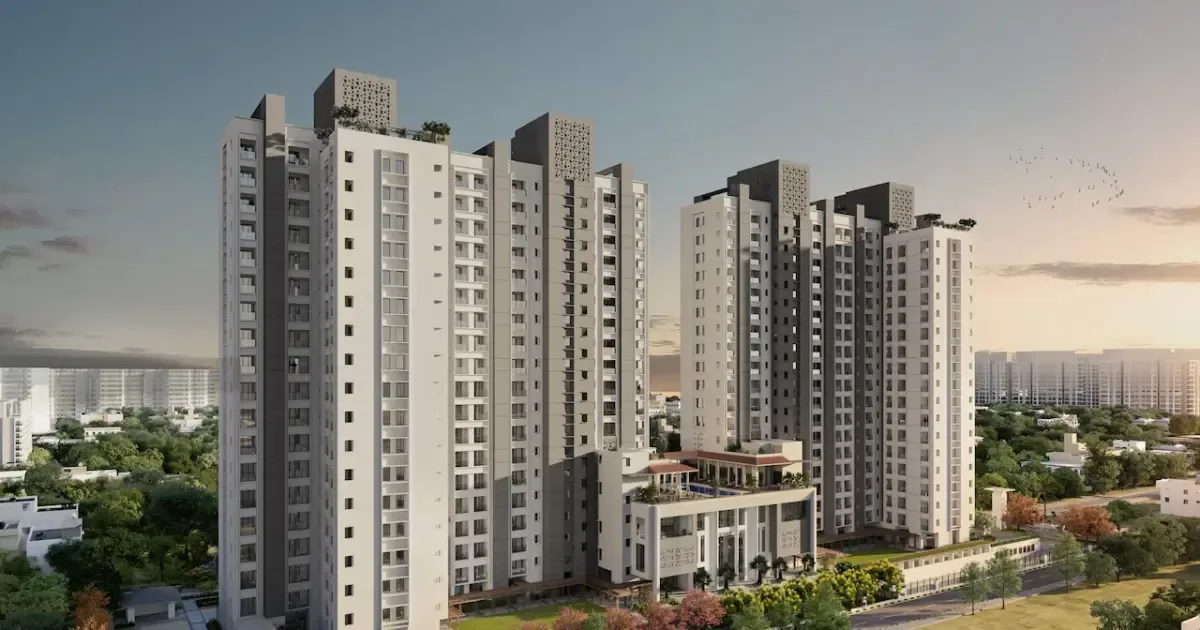
Real estate developers are actively responding to the increasing demand for senior living projects across India. These developments are designed as comprehensive communities, offering independent living with accessible support services.
These communities typically feature amenities such as fitness centers, swimming pools, gardens, and libraries. Many include on-site medical facilities or partnerships with nearby hospitals. Services like meal plans, housekeeping, and laundry are often available, allowing residents to focus on enjoying their retirement.
Developers are catering to a range of budgets, offering both luxury and more affordable options. This ensures a broader segment of the retiree population can access suitable living arrangements. Leading real estate firms are investing in this sector, recognizing its strong growth potential.
Demographic and Social Shifts Fueling the Trend
The rise of the senior living market is also driven by significant demographic and social changes in India.
India’s elderly population is growing rapidly. Projections indicate a substantial increase in the number of individuals aged 60 and above by 2050, making India home to one of the world’s largest senior populations. This demographic shift necessitates a greater supply of age-appropriate housing and care solutions.
Globally, countries like Japan, the US, and European nations have already established robust senior housing markets. India is now following a similar trajectory, adapting global models to its unique cultural context.
The concept of retirement itself is evolving. Today’s retirees are often more active and seek opportunities for continued learning and engagement. Senior living communities that offer diverse activities and social programs are particularly attractive.
Furthermore, the decline of the traditional joint family system means more seniors live independently. They seek to maintain their autonomy while having a supportive community around them. This desire for independence, coupled with the need for social connection, makes senior living an appealing choice.
Government Support for the Senior Living Sector
Government policies and incentives are playing a role in fostering the growth of the senior living market in India.
Some state governments offer financial incentives, such as tax breaks or reduced stamp duties for senior living properties. The central government has also introduced schemes aimed at promoting affordable housing, which can benefit seniors.
Initiatives like the Pradhan Mantri Awas Yojana aim to provide housing for all, with provisions sometimes extended to include elderly residents. Tax benefits for developers constructing rental housing for seniors further encourage investment in the sector.
Government support also extends to healthcare. Schemes like Ayushman Bharat enhance health insurance coverage for older individuals, easing the financial burden of medical expenses.
Additionally, efforts are underway to improve urban infrastructure to be more senior-friendly, including better public transport and accessible buildings. This supportive environment is crucial for the successful development and expansion of the senior living market.
Investment Opportunities in India’s Senior Living Market
The burgeoning senior living market in India presents significant opportunities for investors and the real estate sector.
Real estate companies are increasingly focusing on senior living projects or incorporating senior-friendly features into their developments. This reflects the strong and sustained demand in this segment.
Individual investors can participate by purchasing properties within senior living communities for rental income or by investing in Real Estate Investment Trusts (REITs) that specialize in senior housing. These REITs offer a way to invest without direct property ownership.
Financial models for senior living vary, including large upfront payments akin to property purchase, monthly rental agreements, or hybrid models. Developers who can offer diverse and flexible financial options are well-positioned.
Beyond major metropolitan areas like Mumbai and Delhi, cities such as Pune, Ahmedabad, and Coimbatore are emerging as popular destinations for senior living due to their developing infrastructure.
The demand from NRIs seeking high-quality retirement options in India is also a key factor, driving the development of premium senior living communities.
Challenges and Future Considerations for Senior Living
Despite the positive growth trajectory, the senior living market in India faces several challenges.
Affordability remains a significant concern. The cost of senior living communities can be prohibitive for many retirees, particularly those relying on pensions or family support. Ensuring accessible pricing is crucial for broader market penetration.
Location is another consideration. Many new developments are situated on the outskirts of cities, potentially limiting access to essential services. Balancing space and accessibility is key for developers.
Cultural perceptions are also evolving. Some older individuals may still prefer traditional living arrangements, and overcoming this cultural resistance takes time and education about the benefits of senior living.
Ensuring the quality of care and services provided by senior living communities is vital. Thorough research by prospective residents is necessary to avoid issues with management or service delivery.
For traditional hometowns, the decline in returning retirees can impact local economies. Efforts to revitalize these areas and attract seniors are ongoing but challenging.
Finally, the regulatory framework for senior living is still developing. Clearer regulations are needed to ensure consumer protection and standardize practices across the industry.
Addressing these challenges will be essential for the sustained and responsible growth of the senior living market. The goal is to create communities that offer a high quality of life, support, and independence for India’s aging population.
Frequently Asked Questions
What is the projected market size for senior living in India by 2031?
The senior living market in India is projected to reach $14.14 billion by 2031. This represents a substantial growth from its estimated value of $3.55 billion in 2025.
Why are Indian retirees no longer moving back to their hometowns?
Retirees are choosing to stay in cities primarily for better access to healthcare facilities, more engaging social and cultural activities, and a greater sense of safety and security. Evolving family dynamics also play a role.
What kind of amenities do senior living communities in India offer?
These communities often provide a range of amenities such as fitness centers, swimming pools, gardens, libraries, and on-site medical facilities. Services like meal plans and housekeeping are also commonly available.
How is the Indian government supporting the senior living sector?
The government offers support through policies and incentives, including tax breaks for developers, schemes for affordable housing, and enhanced health insurance coverage for seniors. Efforts are also being made to create more senior-friendly urban infrastructure.
What are the main challenges facing the senior living market in India?
Key challenges include the high cost of communities, ensuring convenient locations with access to services, overcoming cultural resistance to the concept, and maintaining high standards of care and management. Regulatory clarity is also an ongoing development.
Who are the key drivers of demand in the premium senior living segment?
Non-Resident Indians (NRIs) returning to India for retirement are a significant driver of demand for premium senior living communities. They are accustomed to high-quality amenities and urban lifestyles.
References
- A $14 Billion Market Takes Off As Retirees Aren't Moving To Hometowns Anymore – Original report (NDTV India)
- A $14 Billion Market Takes Off As Retirees Aren't Moving To Hometowns Anymore – NDTV – This is a Google News RSS link to the same article; full text not available.
- Safe…For Now: Rohit Sharma And The Curious Art Of Delaying The Inevitable – NDTV – This article is unrelated to the senior living market; it covers Rohit Sharma's cricket career.