
At a Glance
Chabeel is a traditional Punjabi sweet, chilled drink, often made with milk, sugar, and rose syrup, served freely during North India’s hot summer months. Rooted in Sikh spirituality, it represents selfless service (seva) and commemorates the martyrdom of Guru Arjan Dev Ji, who was denied water during his torture. The simple, cooling beverage offers relief from the heat and embodies kindness, generosity, and community spirit.
Key Takeaways
The main points at a glance
- Chabeel is a traditional Punjabi drink made with milk, sugar, rose syrup, and cardamom, served cold.
- It is distributed freely as an act of seva (selfless service) in Sikhism.
- The tradition honors the suffering of Guru Arjan Dev Ji, who was denied water during his martyrdom.
- Chabeel provides cooling relief during North India’s intense summer heat.
- The drink symbolizes humility, generosity, and community, offered to all regardless of background.
- The tradition has spread beyond Punjab and India, sharing Punjabi culture and Sikh values globally.
A Taste of Relief: Introducing the Chabeel Punjabi Drink
Imagine a sweltering summer day in North India. The sun blazes, the air is thick with heat, and dust fills the streets. As you navigate crowded markets, a small, shaded table appears. A smiling volunteer offers a tall glass of creamy, pink liquid, ice clinking invitingly. “Chabeel, ji?” they ask. The first sip is pure bliss – a sweet, milky drink with a hint of rose that cools your throat and lifts your spirits. This is chabeel, a simple drink with a profound purpose.
Chabeel is more than just a summer refreshment; it’s a centuries-old tradition rooted in Sikh spirituality and the practice of selfless service, known as seva. Especially during the hot months of May and June, volunteers across Punjab and beyond set up free stalls, offering chabeel to anyone passing by. It’s a gift of kindness in a glass, simple to make yet rich in meaning.
What Exactly Is Chabeel?
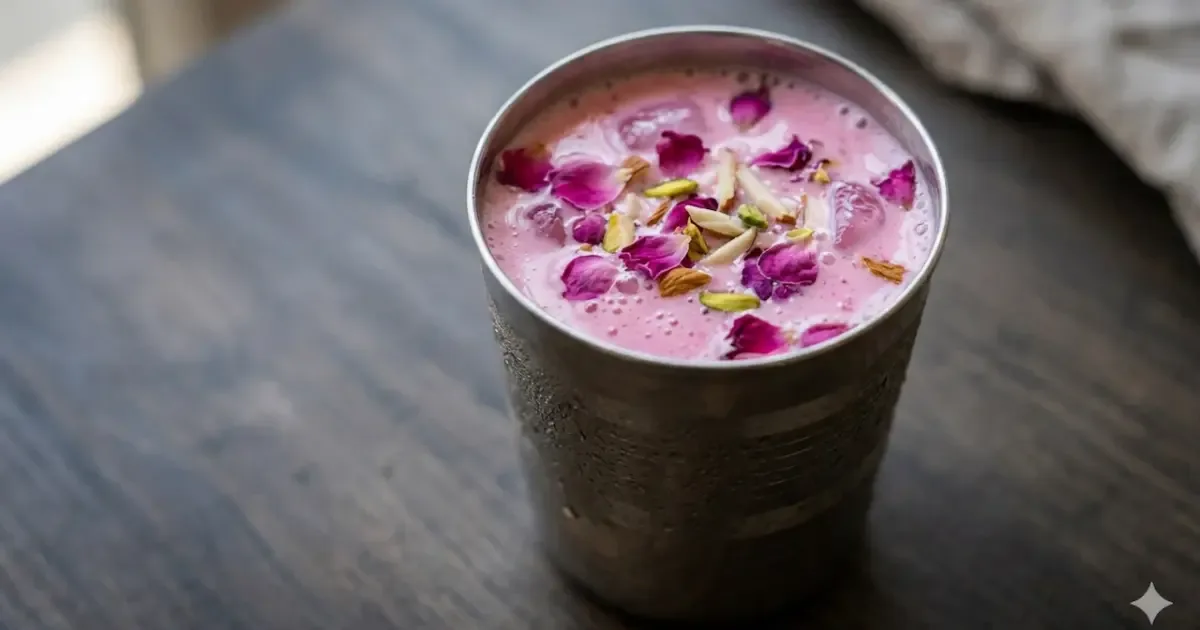
Chabeel is a sweet, chilled beverage traditionally prepared with milk, sugar, rose syrup, and cardamom. Some variations include saffron for color or basil seeds (sabja) for texture, while others might add chopped nuts like almonds or pistachios. It’s always served ice-cold, often with a few ice cubes floating. The drink typically has a soft pink or pale orange hue and a delicate aroma of roses and cardamom.
The name “chabeel” originates from the Persian word “chabil,” meaning a place where water is freely distributed. In India, it signifies any cool drink offered as charity. However, chabeel represents more than just a beverage; it symbolizes humility, generosity, and community. Accepting a glass of chabeel means participating in a moment of devotion and goodwill.
Recipes for chabeel can vary significantly between families. Some prefer a simple milk base, while others lighten it with a mix of milk and water. A pinch of salt might be added to balance the sweetness, or kewra (screwpine water) might replace rose syrup for a different floral note. The true essence of chabeel lies not in a rigid recipe, but in the spirit of its preparation and distribution.
The Spiritual Significance: Honoring Guru Arjan Dev Ji
The tradition of chabeel is deeply connected to Sikh history, particularly the martyrdom of Sri Guru Arjan Dev Ji, the fifth Sikh Guru, in 1606. He was martyred in Lahore, now in Pakistan, after compiling the Adi Granth and building the Harmandir Sahib (Golden Temple).
Guru Arjan Dev Ji’s teachings on peace and equality clashed with the Mughal emperor Jahangir’s views. The emperor ordered the Guru’s torture, during which he was made to sit on a hot iron plate with boiling sand poured over him. Despite his suffering, the Guru remained calm, chanting God’s name. His only request was for a glass of cool water, which was cruelly denied by his tormentors.
This poignant story is the heart of the chabeel tradition. Sikhs offer this cool drink to strangers on hot days to commemorate the Guru’s suffering and his plea for water. It honors his message of patience, faith, and service. By giving water to others, they symbolically offer it to the Guru himself.
The martyrdom day, Shaheedi Diwas, falls in late May or early June, coinciding with North India’s peak summer heat, often exceeding 40 degrees Celsius (104 degrees Fahrenheit). This timing amplifies the significance of offering water. Each glass of chabeel becomes a small act of compassion and a stand against cruelty and indifference.
Making Chabeel: Simple Steps, Profound Impact
Preparing chabeel is straightforward, requiring no special equipment or hard-to-find ingredients, which adds to its charm and accessibility. Anyone can make it and share it.
A basic recipe involves boiling and cooling full-fat milk, then sweetening it to taste. Rose syrup is added for the characteristic color and aroma, complemented by a few drops of cardamom extract or a pinch of ground cardamom. For a richer flavor and color, soaked saffron strands can also be included.
Basil seeds, when soaked, become jelly-like and add a unique texture and cooling property, aligning perfectly with the drink’s purpose. Chopped nuts like almonds or pistachios can be added as a garnish. The key is to serve the drink thoroughly chilled, poured over ice.
Variations exist, such as using a milk-and-water mix for a lighter consistency or adding a pinch of black salt or roasted cumin for a savory hint. Some might use mango pulp instead of rose syrup when mangoes are in season. While less traditional, dairy-free versions can be made with almond or coconut milk. Regardless of the specific ingredients, the core principle remains: a sweet, cold drink prepared with love and offered freely.
Cooling Benefits for Scorching Summers
North Indian summers are notoriously intense, with relentless heat from May to July. While many seek refuge indoors, essential workers like laborers, rickshaw drivers, and street vendors must continue their work outdoors, making them particularly vulnerable to the heat.
Chabeel offers much-needed relief. The milk provides energy, sugar offers a quick boost, rose syrup has a calming effect, and cardamom aids digestion. The ice cools the body from within, making it a refreshing and slightly energizing drink.
Basil seeds, often included in chabeel, are known in traditional Indian medicine (Ayurveda) for their cooling properties and are recommended for balancing body heat, making them a beneficial addition. While hydrating, chabeel, with its sugar and milk content, should be consumed in moderation and is not a replacement for plain water. However, for those enduring long hours in the sun, it provides significant comfort and a vital pick-me-up.
Seva in Practice: The Tradition of Free Distribution
A defining characteristic of chabeel is that it is always offered free of charge. Volunteers who set up these stalls are performing seva, a fundamental tenet of Sikhism emphasizing selfless service without expectation of reward.
Seva can manifest in various ways, from cleaning a gurdwara to cooking community meals or offering a refreshing drink. In Sikhism, every act of kindness is seen as a way to connect with the divine, serving the God within each person.
Chabeel stalls are often organized by families, youth groups, or Sikh organizations. They prepare large batches of the drink and set up tables at busy locations like intersections, bus stands, or railway stations. Volunteers stand for hours, offering glasses to passersby from all walks of life-businessmen, students, laborers, and families-without regard for their religion, caste, or background.
This tradition has expanded significantly, becoming a widespread community practice. In cities like Amritsar, Ludhiana, and Delhi, chabeel stalls are a common sight during summer, with some distributing thousands of glasses daily. It has evolved from a religious observance into a cherished community ritual.
Chabeel’s Reach: Beyond Punjab and Borders
While deeply rooted in Sikh tradition, chabeel is embraced by people of all faiths, serving as a beautiful example of how a simple act of kindness can unite diverse communities in India.
The tradition has also transcended geographical borders. Sikh communities in countries like Canada, the UK, and the US often set up chabeel stalls during summer festivals or on Guru Arjan Dev Ji’s martyrdom day. These events serve not only to offer refreshment but also to share Punjabi culture and Sikh values with a broader audience.
Similar practices of offering refreshments as charity exist in other cultures, such as the distribution of water or juice in Muslim countries during Ramadan or the offering of buttermilk or sweetened water in Hindu traditions as hospitality. The common thread is the universal value of providing sustenance to those in need.
Chabeel distinguishes itself through its specific historical connection to suffering and faith, embodying remembrance of a martyr and honoring his legacy of compassion, going beyond mere thirst-quenching.
Experiencing Chabeel: How You Can Participate
If you find yourself in North India during the summer, particularly in late May or early June, keep an eye out for chabeel stalls. They are easily recognizable by their colorful cloths, coolers, and cheerful volunteers. Approaching them and accepting a glass allows you to partake in a tradition centuries old.
For those unable to travel, making chabeel at home is a wonderful option. The ingredients-milk, sugar, rose syrup, cardamom, and optional basil seeds or nuts-are readily available. Rose syrup can be found in Indian grocery stores or online, while cardamom and basil seeds are common spices or health food items.
As you prepare or enjoy chabeel, reflect on its story: the Guru’s plea for water, the volunteers’ dedication in the heat, and the simple joy of sharing a cool, sweet drink. It’s a reminder that even small acts of kindness can have a significant impact.
In a world often marked by division, chabeel stands as a testament to the power of generosity, humility, and love. A simple glass of chabeel might not change the world, but it can brighten someone’s day, embodying the profound beauty of shared humanity.
Frequently Asked Questions
What is the main purpose of serving Chabeel?
The main purpose of serving Chabeel is to provide cooling relief during the hot summer months in North India. It is also a significant act of selfless service (seva) in Sikhism, commemorating the martyrdom of Guru Arjan Dev Ji and embodying kindness and generosity.
What are the key ingredients in a traditional Chabeel Punjabi drink?
A traditional Chabeel is typically made with milk, sugar, rose syrup, and cardamom. Variations may include saffron for color, basil seeds for texture and cooling properties, or chopped nuts for garnish.
Why is Chabeel linked to Guru Arjan Dev Ji's martyrdom?
Chabeel is linked to Guru Arjan Dev Ji's martyrdom because, according to Sikh tradition, he was denied a simple glass of cool water during his torture. Offering Chabeel is a way to remember his suffering and offer the relief he was denied to others.
Is Chabeel only served by Sikhs?
While the tradition originates from Sikhism, Chabeel is offered to and accepted by people of all faiths and backgrounds. It has become a symbol of community and shared humanity, bringing people together through a simple act of kindness.
When is the best time to find Chabeel stalls?
Chabeel stalls are most commonly found during the peak summer months in North India, particularly from late May through June. This timing coincides with the martyrdom day of Guru Arjan Dev Ji and the hottest period of the year.
Can Chabeel be made at home?
Yes, Chabeel can easily be made at home. The ingredients are generally accessible, and the preparation is simple. Making it at home allows you to enjoy the refreshing drink while reflecting on its meaningful origins.
References
- How Chabeel, A Punjabi Drink, Offers Refreshing Relief During North India Summer – Original report (NDTV Health)
- How Chabeel, A Punjabi Drink, Offers Refreshing Relief During North India Summer – NDTV Food – NDTV Food
- The significance of ‘chabeel’, and why it makes for an ideal summer drink – The Indian Express – This article explains the significance of chabeel as an ideal summer drink, highlighting its cultural and spiritual context.