At a Glance
If you just looked at the numbers, 85.69 meters looks like a solid throw. Most javelin throwers on the planet would be thrilled to hit that distance. It is long. It is competitive. It puts you in the conversation at any Diamond League meet.
Key Takeaways
The main points at a glance
- The Distance That Deceives: Why 85.69m Tells Only Half the Story
- 'Didn't Try To Put In Any Extra Effort': What Neeraj Actually Said
- Coming Back From Injury: The Strategy Behind the Restraint
- How the Diamond League Opener Fits Into a Bigger Season Plan
- What This Means for Neeraj Chopra's 2024 Campaign
The Distance That Deceives: Why 85.69m Tells Only Half the Story
If you just looked at the numbers, 85.69 meters looks like a solid throw. Most javelin throwers on the planet would be thrilled to hit that distance. It is long. It is competitive. It puts you in the conversation at any Diamond League meet.
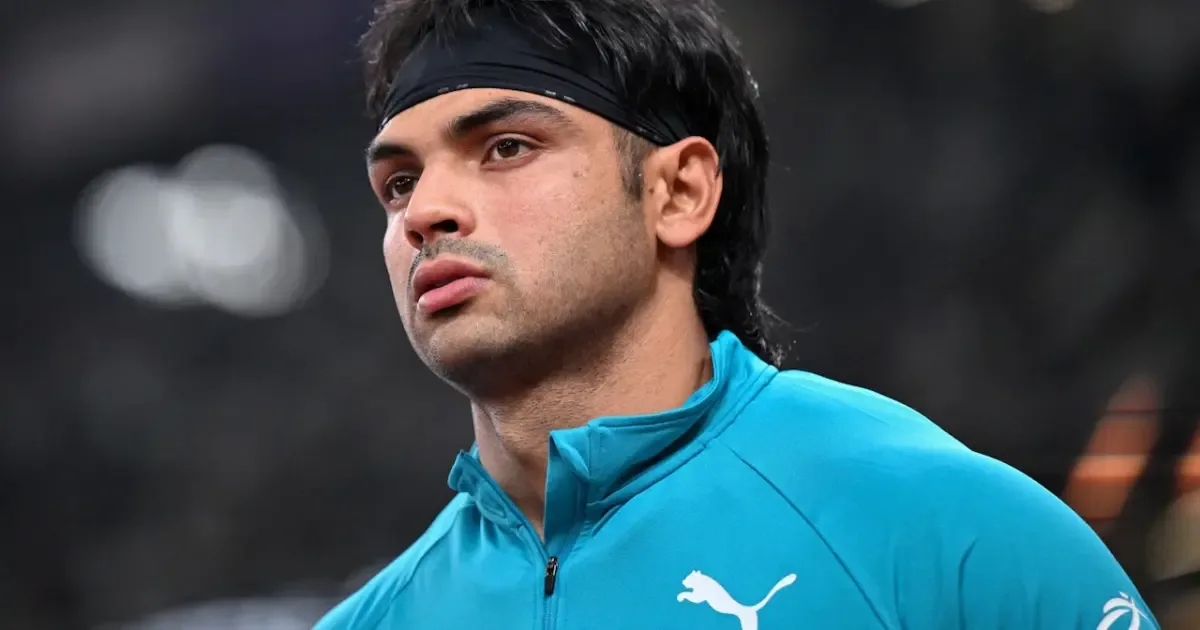
But Neeraj Chopra is not most javelin throwers. He is the reigning Olympic champion. He is the world champion. He has thrown 89.94 meters in competition before. So when he stepped onto the runway at the Doha Diamond League on Friday evening and his best effort landed at 85.69m, a lot of people watching had one question: What happened?
The answer is not what you might expect. Chopra did not have a bad day. He did not struggle with his technique. He did not lose his nerve or get out-thrown by better competitors on the night. The simple truth is that he did not try to go all out. He held back. On purpose.
And that makes this 85.69m throw far more interesting than a 90-meter bomb would have been at this stage of the season.
Chopra finished fourth in Doha. For a man who has won gold at the Olympics and the World Championships, fourth place does not look great on paper. But the people who follow track and field closely know that Diamond League openers in early season are not about winning. They are about testing the body. Feeling the runway. Getting back into competition rhythm after months away from the big stage.
The distance itself is a kind of decoy. If you focus only on the number, you miss the real story. The real story is that Chopra is coming back from an injury layoff. He is not fully fit yet. And he is smart enough to know that pushing for a big throw in his first meet back could cost him the entire summer.
So he threw 85.69m with what he himself calls no extra effort. That is not a sign of weakness. In many ways, it is a sign of strength. A sign that he knows what he is doing.
‘Didn’t Try To Put In Any Extra Effort’: What Neeraj Actually Said
After the competition, Chopra spoke to the media. His words were simple and direct. He did not make excuses. He did not complain about the track or the weather or the other throwers. He just stated the facts the way he sees them.
“I didn’t try to put in any extra effort,” he said, according to multiple news reports from the event.
That quote is the key to understanding this whole performance. Chopra is not the kind of athlete who makes grand statements or tries to spin a story. He is straightforward. When he says he did not try, you can believe him.
He also said he is not fully fit yet. The Hindustan Times reported his exact words: “Not fully fit yet, still happy with progress.” That is a very honest thing for a top athlete to say. Most competitors at his level would try to hide any hint of weakness. They would say they felt great and just had an off day. But Chopra does not do that. He tells it like it is.
Being “not fully fit” for a javelin thrower is not the same as being injured. It does not mean he is in pain or that he cannot compete. It means his body is not yet at 100 percent capacity. His strength is not all the way back. His timing is not perfect. His rhythm is still coming together. In a sport where the difference between 85 meters and 90 meters can come down to a tiny shift in body position or a fraction of a second in the release, being “not fully fit” is a real limitation.
Chopra could have gone for a bigger throw. He chose not to. That is the difference between a good athlete and a great one. A good athlete chases the result. A great athlete chases the process.
The Rediff report on his comeback emphasized that he is satisfied with where he is. Not thrilled. Not celebrating. Just satisfied. That is the right word for a measured return. He knows he has work to do. He knows he is not at his peak yet. But he also knows that this first step was exactly what it needed to be.
Coming Back From Injury: The Strategy Behind the Restraint
Chopra has not said exactly what his injury was. That is normal for him. He tends to keep details about his physical condition private. But the fact that he had an injury layoff is well known. He missed some training time. He had to rebuild his strength carefully. And he is still in that rebuilding phase.
For a javelin thrower, coming back from injury is not simple. You cannot just go to the gym and lift heavy weights again. The throwing motion puts enormous stress on the shoulder, the elbow, the back, and the legs. Everything has to work together in a split second. If one part of the chain is weak, the whole throw can break down. Worse, it can lead to a new injury.
That is why Chopra is being careful. He is not trying to win the Diamond League opener. He is trying to win the Olympic gold medal later this year. Those are two very different goals, and they require two very different approaches to training and competition.
The Doha meet was his first competitive event of the 2024 season. That means it has been months since he last threw in front of a crowd. Months since he last had to deal with the pressure of competition. Months since he last felt the full force of his own body going through the throw.
When you are coming back from that kind of break, the first competition is always a question mark. You do not know how your body will respond. You do not know if your technique will hold up. You do not know if you will feel confident or nervous. The only way to find out is to go through it.
Chopra went through it. He threw six times in Doha. His best was 85.69m. He did not push for more. He did not try to force a big throw when his body was not ready. That is discipline. That is strategy.
Compare this to what some other top athletes do when they come back from injury. Some try to prove themselves right away. They go for a big throw or a big result to show that they are still the same athlete. That approach often backfires. The body is not ready, the technique breaks down, and then they end up hurt again.
Chopra is taking the opposite path. He is building his form slowly. He is trusting the process. He is showing that he understands the long game. And that is why this 85.69m throw is actually a positive sign, not a worrying one.
How the Diamond League Opener Fits Into a Bigger Season Plan
The Diamond League is a series of top-level track and field meets that happen around the world every year. The Doha meeting is usually the first one on the calendar. It kicks off the outdoor season. For many athletes, it is the first chance to compete in good weather after months of indoor training.
Doha in early season can be tricky. The weather is warm, but not extreme. The track is fast. The conditions are generally good for throwing. But it is still early in the year. Athletes are not at their peak. The big meets like the Olympics and the World Championships are still months away. Nobody wants to peak too soon.
That is the context for Chopra’s performance. He is not trying to set a personal best in Doha. He is not trying to beat the world record. He is trying to get his body ready for the big moments that matter later in the season.
If you look at the top throwers in the world, they all have a plan. They do not go all out in every meet. They pick their spots. They save their best efforts for the championships. The Diamond League is a chance to compete, to test themselves, and to build momentum. It is not the end goal.
Chopra’s 85.69m throw in Doha is a solid starting point. It is not his best. He knows that. But it is a foundation. From here, he can build. He can add more effort in his next meet. He can gradually increase his intensity. He can work on the specific parts of his technique that need improvement. All of that is easier to do when you have a baseline to work from.
Think of it like a runner starting a long race. You do not sprint the first 100 meters. You pace yourself. You find your rhythm. You save your energy for the end. Chopra is pacing himself. He is not trying to win the race in the first lap. He is trying to be ready for the finish line.
The Diamond League season is long. There are more meets to come. Chopra will have more chances to throw big distances. He will have more chances to test his fitness. And as the season goes on, he will likely start to push harder. But for now, the smart move is to hold back.
What This Means for Neeraj Chopra’s 2024 Campaign
The big event on the horizon for Chopra is the Paris Olympics in August. That is where he wants to be at his best. That is where he wants to throw his biggest distances. Everything between now and then is preparation.
This Doha meet is the first step in that preparation. It tells him where his body is. It tells him what he needs to work on. It gives him a benchmark to measure his progress against as the season goes on.
The fact that he threw 85.69m without trying hard is actually a good sign. It means that even at less than full fitness, he can still produce a competitive distance. When he is fully fit, when he is in top shape, he should be able to add several meters to that number. That is the goal.
Chopra has shown before that he knows how to manage his season. He won the Olympic gold in Tokyo with a throw of 87.58m. That was not his personal best, but it was the right throw at the right moment. He won the World Championship gold in 2023 with a throw of 88.17m. Again, not his absolute best, but the right throw at the right moment. He is a champion because he knows when to push and when to hold back.
This 85.69m throw in Doha is another example of that skill. He could have tried for 90 meters. He could have risked his body to make a statement. But he chose not to. He chose to be patient. He chose to be smart.
For fans who were hoping to see a huge throw right away, this might be disappointing. But for anyone who understands the sport, this is exactly what you want to see from a champion. You want to see them take care of themselves. You want to see them build their form slowly. You want to see them be honest about where they are.
Chopra has said he is happy with his progress. He is not fully fit, but he is getting there. That is the right attitude. The season is long. The big meets are still ahead. And when the time comes, when he is ready to go all out, he will have built the foundation he needs to throw his best.
So do not look at 85.69m and think it is a small number. Look at it and see the beginning of something. Look at it and see a champion who knows that the race is not won in the first round. Look at it and see Neeraj Chopra doing exactly what he needs to do to be ready for the biggest stage of all.
Frequently Asked Questions
What was Neeraj Chopra's best throw at the Doha Diamond League?
Neeraj Chopra's best throw at the Doha Diamond League was 85.69 meters. This distance placed him fourth in the competition. While a good throw for many, it was not his maximum effort.
Why did Neeraj Chopra hold back during his throw?
Chopra held back on his throw because he is still recovering from an injury layoff. He is not yet at 100 percent fitness and did not want to risk re-injury by pushing too hard in his first meet back.
Did Neeraj Chopra have a bad day or struggle with technique?
No, Neeraj Chopra did not have a bad day or struggle with his technique. He intentionally did not push for a maximum effort throw. He stated he did not try to put in any extra effort.
What is Neeraj Chopra's strategy for returning to competition?
His strategy is to focus on the process of returning to competition rather than chasing immediate results. He is prioritizing his long-term health and aiming to be fully fit for major events later in the season, like the Olympics.
How does Neeraj Chopra's approach differ from other top athletes?
Unlike some athletes who might try to prove themselves immediately after an injury, Chopra is being cautious. He is honest about his fitness level and prioritizes his body's readiness over immediate big results.
What does 'not fully fit' mean for a javelin thrower like Chopra?
For Chopra, 'not fully fit' means his body is not at its peak capacity, affecting his strength and timing. While not in pain, these limitations can impact performance in a sport where small margins make a big difference.
References
- "Didn't Try To Put In Any Extra Effort": Neeraj Chopra On 85.69m Throw At Diamond League – Original report (NDTV Sports)
- "Didn't Try To Put In Any Extra Effort": Neeraj Chopra On 85.69m Throw At Diamond League – NDTV Sports – NDTV Sports
- Neeraj Chopra Satisfied With Doha Comeback After Injury Layoff – Rediff – Emphasizes Chopra's satisfaction with the comeback after an injury layoff.
- Not fully fit yet, still happy with progress: Neeraj Chopra | Hindustan Times – Hindustan Times – Provides key detail that Chopra said he is 'not fully fit yet' but still happy with progress.
- Neeraj Chopra pleased with his comeback | Hindustan Times – Hindustan Times – Reinforces Chopra's pleasure with the comeback, complementing the 'not fully fit' article.