At a Glance
Iran claims it has closed the Strait of Hormuz as a retaliatory measure against Israeli attacks on Lebanon, a move that could significantly impact global oil supplies. However, the United States has denied the claim, stating the strait remains open and that Iran lacks the capability to fully block it. This conflicting information has caused market uncertainty, while diplomatic talks in Switzerland aim to de-escalate tensions.
Key Takeaways
The main points at a glance
- Iran announced it closed the Strait of Hormuz, a vital global oil transit route, citing Israeli attacks on Lebanon as the reason.
- The United States has denied Iran’s claim, asserting that the Strait of Hormuz remains open and unaffected.
- The Strait of Hormuz is critical, with about one-fifth of the world’s oil supply passing through it daily.
- Former President Donald Trump threatened to impose tolls on vessels using the strait if a nuclear deal with Iran isn’t reached within 60 days.
- Diplomatic efforts are underway in Switzerland, with both Iranian and US officials engaged in talks to de-escalate the situation.
- The situation highlights the fragile global energy market and the potential for significant economic disruption if the strait were truly closed.
Iran Claims Strait of Hormuz Closure; US Denies
Iran announced on Wednesday that it has closed the Strait of Hormuz. The government called the move a “first step” in response to what it described as breaches of commitments related to Israeli attacks on Lebanon. The announcement sent shockwaves through global energy markets and raised fears of a major military confrontation.
But the United States immediately denied the claim. American officials said the strait remains open and that Iran does not have the ability to block it entirely. The conflicting statements have created confusion about what is actually happening in the narrow waterway that connects the Persian Gulf to the Gulf of Oman.
“The Strait of Hormuz is open and commercial shipping continues as normal,” a US defense official told reporters. The official spoke on condition of anonymity because they were not authorized to comment publicly. The US Navy’s Fifth Fleet, based in Bahrain, also confirmed that it had seen no disruption to traffic in the strait.
Iran’s state-run media reported the closure, but did not provide any evidence such as video of naval blockades or stopped ships. Shipping tracking websites showed no major changes in vessel movements through the strait in the hours after the announcement. This has led analysts to question whether Iran’s claim was more of a political statement than a real military action.
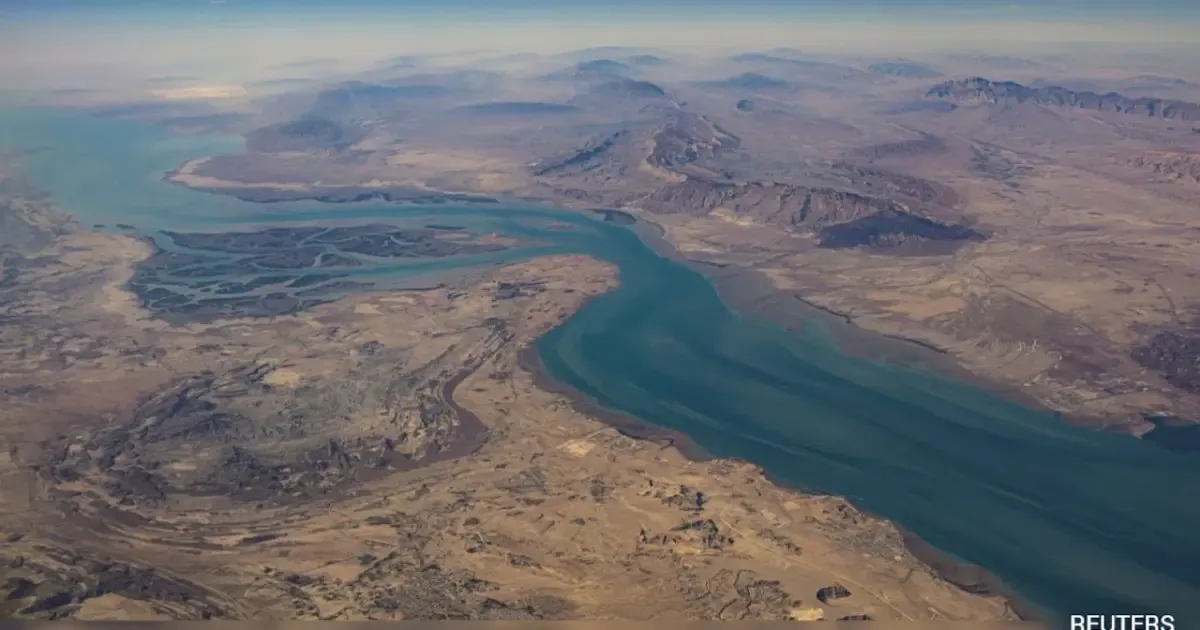
The Strait of Hormuz is a narrow stretch of water only 33 kilometers wide at its narrowest point. About one-fifth of the world’s oil supply passes through it every day. That makes it one of the most strategically important chokepoints on the planet. Any real closure would have immediate and severe effects on global oil prices and the world economy.
Iran has threatened to close the strait many times in the past, especially during periods of tension with the United States or its allies. In 2019, Iran seized several oil tankers near the strait, but never actually shut it down completely. Experts say a full closure would be extremely difficult because the US Navy dominates the region and could quickly clear any obstacles.
The current incident began when Iran accused Israel of launching attacks on Lebanon. Iran said these attacks violated commitments made under previous agreements. What those commitments were exactly is not clear, but Iran has long supported the Lebanese militant group Hezbollah and sees Israeli military action in Lebanon as a direct threat to its interests.
The Trigger: Israeli Attacks on Lebanon
Iran’s announcement did not come out of nowhere. It followed a series of Israeli airstrikes on targets in southern Lebanon. Israel said the strikes were in response to rocket attacks from Hezbollah into northern Israel. The fighting has escalated in recent weeks, with both sides trading fire across the border.
Lebanon has been in a deep economic and political crisis for years. Hezbollah, which is backed by Iran, holds significant power in the country. Iran sees Hezbollah as a key ally in its regional rivalry with Israel and the United States. So when Israel hits targets in Lebanon, Iran often feels compelled to respond.
By closing the Strait of Hormuz, Iran is sending a clear message to Israel and its allies. It is saying that any attack on Lebanon will have consequences that go far beyond the immediate region. The strait is a global lifeline for oil. Disrupting it threatens the economies of countries all over the world, including the United States and its European allies.
Iran’s choice of words “first step” suggests that more actions could follow. Analysts say Iran may be trying to pressure the international community to intervene and stop the Israeli strikes. But the US denial of the closure undermines that strategy. If the world does not believe the strait is really closed, Iran may need to take more dramatic steps to prove its point.
Israeli officials have not commented directly on Iran’s announcement. But they have made it clear that they will continue operations against Hezbollah until the threat of rocket attacks from Lebanon is eliminated. The cycle of violence shows no signs of stopping.
Former President Trump’s 60-Day Toll Threat
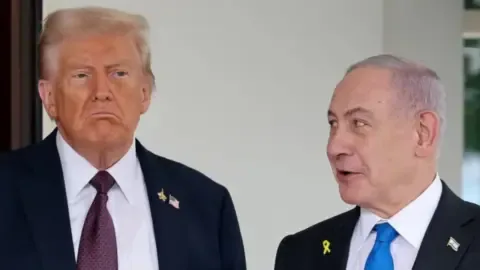
While the US government denies Iran’s claim, former President Donald Trump has added his own dramatic proposal to the situation. Trump threatened to charge US tolls on all vessels passing through the Strait of Hormuz if a final nuclear deal with Iran is not reached within 60 days.
“If Iran wants to play games, we will make them pay,” Trump said in a statement. He did not provide details on how the tolls would be collected or enforced. But the idea is that the United States would use its naval power to control access to the strait and demand payment from ships.
The toll threat is not official US policy. It comes from Trump, who is currently a candidate for the 2024 presidential election. But his comments carry weight because he was president when the US withdrew from the Iran nuclear deal in 2018. He has often said he would take a hard line on Iran if elected again.
Under Trump’s plan, the toll money would go to the US Treasury. He said it would compensate American taxpayers for the cost of securing the strait. The US Navy has patrolled the area for decades to keep oil tankers safe from threats, including pirates and Iranian mines.
The feasibility of such a toll system is highly questionable. International law says that the Strait of Hormuz is part of the world’s territorial waters and that ships have the right of innocent passage. Imposing tolls could be seen as an act of aggression and could lead to conflict with other nations, including China and India, which depend heavily on oil from the Gulf.
Trump’s 60-day deadline adds urgency to the diplomatic situation. If no deal is reached within two months, he says he will act. Whether he actually has the power to impose tolls as a former president or even as a future president is unclear. But his statement puts pressure on both Iran and the current US administration to negotiate seriously.
The toll threat also confuses the situation. Right now, the US government says the strait is open and denies Iran’s closure claim. At the same time, a leading US political figure is talking about charging tolls, which would effectively mean the US is controlling the strait. This mixed messaging makes it hard for other countries to know what to expect.
Diplomatic Moves: Switzerland Talks
Amid all the threats and denials, diplomats are moving. Iran announced that its negotiating team is heading to Switzerland. At the same time, US official JD Vance is also traveling to Switzerland to accelerate peace talks. Both sides are using Switzerland as a neutral ground for discussions.
JD Vance is a senior US official with a role in foreign policy. His trip to Switzerland suggests that the US government is taking the situation seriously, even if it denies Iran’s claim. The talks are expected to cover the nuclear program, regional conflicts including Lebanon and Israel, and the status of the strait.
Switzerland has a long history of hosting negotiations between the US and Iran. During the Obama administration, Swiss diplomats helped facilitate secret talks that led to the 2015 nuclear deal. The Swiss have no strong allegiance to either side, which makes them trusted mediators.
The timing of these talks is critical. Iran’s negotiating team is heading to Switzerland at the same time that it claims to have closed the strait. This could be a tactic to gain leverage. By creating a crisis, Iran may hope to extract more concessions at the negotiating table.
US officials have not said much about what Vance hopes to achieve in Switzerland. But the goal is likely to de-escalate the situation and prevent a broader conflict. The US wants to keep the strait open and avoid a spike in oil prices that could hurt the American economy.
Iran, for its part, wants relief from sanctions that have crippled its economy. It also wants guarantees that Israel will stop attacks on Lebanon. Whether these demands can be met is uncertain. The talks in Switzerland may be the best chance to find a peaceful solution.
But there is no guarantee that the talks will succeed. Both sides have deep mistrust. Iran sees the US as unreliable after Trump pulled out of the nuclear deal. The US sees Iran as a destabilizing force in the Middle East. These talks will require compromise from both sides.
Global Stakes: Oil Security and Economic Impact
The Strait of Hormuz is not just a geographic feature. It is the lifeline of the global oil trade. Around 20 million barrels of oil pass through it every day. That is roughly one-fifth of the world’s total oil consumption. Any disruption to this flow would send oil prices skyrocketing and could trigger a global recession.
Countries that depend most heavily on oil from the Gulf are those in Asia. Japan, China, India, and South Korea are the biggest customers. They import most of their oil from Saudi Arabia, Iraq, Kuwait, and the UAE, all of which ship their crude through the Strait of Hormuz. If the strait closes, these countries would face severe shortages.
Europe also gets a significant amount of oil from the Gulf. And the US, although less dependent on Middle Eastern oil than in the past, would still feel the impact because oil prices are set globally. A spike in prices would hit American consumers at the pump and could fuel inflation.
The military stakes are equally high. The US Navy’s Fifth Fleet is stationed just a few hundred kilometers away in Bahrain. Its mission is to ensure freedom of navigation in the Gulf and the strait. If Iran tries to enforce a closure, the US would likely respond with force. That could lead to a direct military confrontation between the US and Iran, something that both sides have tried to avoid for decades.
Iran has invested heavily in anti-ship missiles, mines, and small fast boats that could be used to attack vessels. In a 2012 war game, Iran simulated closing the strait by firing missiles at a mock US aircraft carrier. The US military has practiced clearing mines and protecting shipping in the area many times. A conflict in the strait would be extremely dangerous and costly.
The economic impact of even a temporary disruption would be huge. In the past, threats to the strait have caused oil prices to jump by 10 to 15 percent in a matter of days. If the strait were actually closed for weeks or months, the effect would be much worse. Global oil inventories would be drained, and prices could double or triple.
That is why the world is watching this situation so closely. Stock markets in Asia and Europe dipped after Iran’s announcement, though they recovered somewhat after the US denial. Oil prices initially rose but then fell back when it became clear that traffic was still moving normally.
The uncertainty itself is damaging. Shipping companies may start to avoid the region, raising insurance costs. Oil traders may hoard supplies, pushing prices up. Even if the strait is not actually closed, the fear of closure can disrupt markets.
What Happens Next
The immediate future depends on whether the talks in Switzerland produce results. If Iran and the US can agree on a framework for de-escalation, the closure claim may be quietly dropped. Iran would say it was a warning that had achieved its purpose. The US would maintain that the strait was never closed.
If talks fail, the situation could escalate quickly. Iran may try to actually disrupt shipping by harassing tankers or laying mines. The US would then have to decide whether to use military force to keep the strait open. That would be a dangerous escalation with unpredictable consequences.
Trump’s toll threat adds another layer of complexity. Even if the current US administration reaches a deal with Iran, a future Trump presidency could overturn it. Iran knows this and may be reluctant to make concessions that could be reversed in a few months.
For now, the Strait of Hormuz remains open, according to the United States. Ships are moving, oil is flowing, and the world is watching. But the situation is fragile. A single miscalculation by either side could turn a war of words into a real war.
Iran’s claim to have closed the strait may be more about posturing than action. But the underlying tensions are real. The Israeli attacks on Lebanon, the unresolved nuclear issue, and the threat of US tolls all boil down to one thing: the international community needs to find a diplomatic solution before the situation spirals out of control.
The coming days will be critical. All eyes are on Switzerland, where negotiators will try to find a path forward. If they succeed, the crisis may pass. If they fail, the world could be looking at a conflict that affects everyone, from oil workers in Texas to drivers in Tokyo.
Frequently Asked Questions
Did Iran actually close the Strait of Hormuz?
Iran claims it has closed the Strait of Hormuz, but the United States has denied this, stating that shipping traffic continues normally. Analysts suggest Iran's claim may be a political statement rather than a military action.
Why is the Strait of Hormuz important?
The Strait of Hormuz is a critical chokepoint for global oil transport. Approximately one-fifth of the world's oil supply passes through it daily, making any disruption a major threat to the global economy.
What is the US response to Iran's claim?
The US has directly denied Iran's claim, with defense officials and the US Navy's Fifth Fleet confirming that the strait remains open and commercial shipping is unaffected.
What are the potential consequences of closing the Strait of Hormuz?
A closure would likely cause oil prices to skyrocket, potentially triggering a global recession. It could also lead to severe energy shortages for importing nations and a direct military confrontation between Iran and the US.
What role do the talks in Switzerland play?
Diplomats from Iran and the US are meeting in Switzerland to de-escalate tensions. These talks aim to address the nuclear program, regional conflicts, and the status of the Strait of Hormuz, seeking a peaceful resolution.
What is Donald Trump's threat regarding the Strait of Hormuz?
Former President Donald Trump threatened to impose tolls on vessels passing through the Strait of Hormuz if a nuclear deal with Iran is not reached within 60 days, adding another layer of complexity to the situation.
References
- Iran Closes Strait Of Hormuz Again Over Israel's Attacks On Lebanon – Original report (NDTV World)
- Iran says it has closed Strait of Hormuz over Israeli attacks in Lebanon – BBC – Reports Iran's claim of closing the Strait of Hormuz in response to Israeli attacks on Lebanon.
- Trump threatens to charge US tolls in Strait of Hormuz if final Iran deal not reached in 60 days – AP News – Adds Trump's threat to impose US tolls on Strait of Hormuz traffic if no Iran deal within 60 days.
- US denies Iran's claim to have closed Strait of Hormuz over Israeli attacks in Lebanon – BBC – Provides the US denial of Iran's closure claim, highlighting the factual dispute.
- Iran closes Strait of Hormuz again and says its negotiating team is heading to Switzerland – CNBC – Confirms Iran's closure claim and adds that Iran's negotiating team is heading to Switzerland.
- Live Updates: JD Vance heads to Switzerland to accelerate peace talks as Iran threatens to close Strait of Hormuz – CBS News – Reports JD Vance's travel to Switzerland for peace talks amid Iran's threat to close the Strait.