
Summary
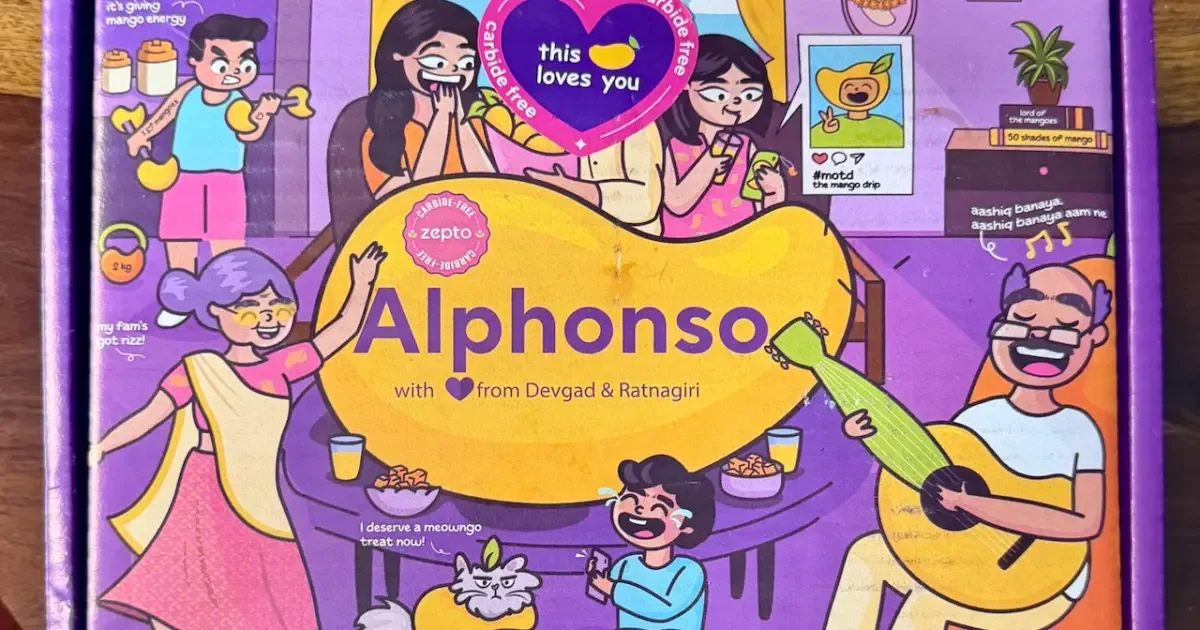
An Indian living in Norway recently went viral after sharing that he received fresh mangoes via the Indian quick-commerce platform Zepto in just nine minutes. He contrasted this with his daily experience in Norway, where even a simple trip for milk requires driving in extreme cold. The story highlights the stark difference in last-mile delivery efficiency between India and many developed nations, sparking widespread pride and debate online.
Key Takeaways
The main points at a glance
- An NRI in Norway received mangoes via Zepto in 9 minutes and posted about it on X, sparking a viral discussion.
- The post contrasted India’s quick grocery delivery with the challenges of winter grocery runs in developed countries like Norway.
- India’s quick-commerce sector, including Zepto, has grown rapidly, offering deliveries in 10-15 minutes in major cities.
- The viral moment reflects a broader narrative of India leapfrogging developed nations in digital convenience and logistics.
The Viral Post: NRI in Norway Receives Mangoes in 9 Minutes via Zepto
An Indian living in Norway recently shared an astonishing experience that quickly went viral. Despite being in a developed country, he received fresh mangoes, ordered through the Indian quick-commerce app Zepto, in just nine minutes. This incredible speed was contrasted with his own experiences of having to brave extreme cold in Norway just to buy basic necessities like milk.
The NRI posted his amazement on X (formerly Twitter), stating, “No one in the developed world has this.” He elaborated on how a simple trip for milk in Norway often involves driving in icy conditions, while back in India, a similar order could be fulfilled in under ten minutes. His post resonated widely, garnering thousands of likes, shares, and comments, sparking a global conversation. Many users from around the world chimed in, sharing their own comparisons of grocery delivery services in their countries. Some from the United States, Canada, and Europe noted that while delivery options exist, they rarely match the speed or affordability of India’s quick-commerce platforms. Others expressed surprise that a country often perceived as developing could offer such advanced logistics.
The story gained significant media attention, with outlets like NDTV Food highlighting the sentiment of surprise and national pride. The viral moment underscored the rapid advancements in India’s quick-commerce sector and its ability to offer unparalleled convenience. It also put a spotlight on NRI experiences and how they perceive the gap between their home country and their adopted nations. The NRI’s post serves as a personal testimony to how India’s digital infrastructure has evolved to deliver not just groceries, but also a sense of efficiency and modernity that rivals-and in some cases, exceeds-that of wealthier countries.
Zepto, the platform used for the delivery, is one of several players in India’s burgeoning quick-commerce space. Founded in 2021, Zepto operates a network of dark stores-small warehouses located in densely populated urban areas-that allow it to fulfill orders in minutes. The company has raised significant funding and expanded to multiple Indian cities, promising delivery of a wide range of items including fresh produce, dairy, electronics, and household goods. The fact that a user in Norway could receive mangoes from India via an app highlights not only the efficiency of the delivery network but also the global reach of Indian-origin services, as many NRIs still maintain ties and access to Indian platforms.
Life in Norway: The Challenges of Grocery Runs
Norway, while known for its stunning natural beauty, presents unique challenges for daily living, especially during its long and cold winters. Temperatures frequently drop far below freezing, making even simple errands like grocery shopping a significant undertaking. The country’s population of just over five million is spread across a vast area, much of which is mountainous or fjord-laden, resulting in long distances between homes and commercial centers. In many rural and suburban areas, the nearest supermarket may be several kilometres away, and public transport options are limited or infrequent, especially in winter when roads can be treacherous.
The NRI described his reality in Norway, where driving in icy conditions is common. A trip to the store for milk requires bundling up against the cold, clearing ice from his car, navigating hazardous roads, and ensuring the store is open. This process is time-consuming and physically demanding. Even in cities like Oslo, many residents find that walkable grocery options are limited, and car ownership becomes essential for routine errands. The contrast with India, where a smartphone tap brings items to your doorstep within minutes, is stark.
This situation is typical for many in sparsely populated, developed nations. Norway’s infrastructure is designed for a different lifestyle-one that prioritises sustainability and self-reliance over the hustle of express delivery. While public transport is efficient in major cities, the last-mile connectivity for personal errands remains a challenge. Grocery stores often have restricted hours, and many close early on weekends or are not available at all in remote areas. In winter, the combination of short daylight hours, snowfall, and icy roads makes any outdoor trip a planning exercise. The NRI’s experience is not unique; many residents of Nordic countries and other cold-climate regions share similar stories. However, what makes this particular account notable is the direct comparison to an Indian quick-commerce service that has become a benchmark for speed.
Additionally, the cost of groceries in Norway is among the highest in the world, partly due to high labour costs, taxes, and import duties. Ordering food online does exist, but it is often expensive and slow compared to what Indians are used to. Several Norwegian grocery chains offer home delivery, but delivery windows are often several hours long, and minimum order amounts can be high. The idea of getting fresh mangoes-a tropical fruit that is imported and relatively expensive in Norway-within minutes is almost unthinkable in many developed countries, where even basic fresh produce can be hard to source quickly.
India’s Quick-Commerce Revolution: A Deeper Look
India’s quick-commerce sector has grown rapidly in the last few years, with players like Zepto, Blinkit, and Swiggy Instamart offering deliveries in 10-15 minutes. This contrasts with slower delivery norms in many Western countries, where even basic groceries often require a car trip or advance planning. The success of this model is rooted in several factors: high population density in urban areas, low labour costs, widespread smartphone adoption, and a robust digital payments ecosystem built on India’s Unified Payments Interface (UPI). Together, these elements have created an environment where hyper-local delivery is economically viable and logistically feasible.
Quick-commerce companies operate dark stores-small warehouses strategically located within dense neighbourhoods to ensure proximity to customers. These stores stock a curated selection of high-demand items, allowing orders to be picked, packed, and dispatched in minutes. The model relies on a gig workforce of delivery partners, who use bicycles or motorcycles to navigate traffic quickly. While the sector has faced criticism for labour practices and safety concerns, it has undeniably transformed consumer expectations. For many Indians, the ability to get groceries, electronics, or even hot food delivered in under 15 minutes has become a norm that is taken for granted.
The NRI’s post taps into a broader narrative of India leapfrogging developed nations in digital convenience. While countries in the West led the internet revolution in the 1990s and 2000s, India has emerged as a leader in mobile-first services, particularly in the areas of payments and logistics. The speed of India’s quick-commerce is made possible by a combination of factors including high population density, competitive labour markets, and a culture that values convenience and speed. In many developed countries, similar attempts at rapid delivery have struggled due to higher labour costs, stricter regulations, and less dense urban layouts. For example, players like Gorillas and Getir in Europe have scaled back operations or exited markets entirely, citing profitability challenges. India’s ability to sustain such a model at scale is a testament to its unique economic and demographic conditions.
Moreover, the viral success of this story also highlights the role of the Indian diaspora in bridging perceptions. NRIs often serve as ambassadors of India’s modernity, sharing their first-hand experiences of the country’s advancements with the world. When an NRI posts about receiving mangoes in 9 minutes, it not only surprises those in developed nations but also instills a sense of pride among Indians at home. It reinforces the idea that India is not just catching up, but in some sectors, is setting benchmarks that others aspire to reach.
Reactions and Broader Implications
The viral post quickly became a talking point on social media, with many users expressing both amusement and admiration. Some commenters pointed out that while India excels in delivery speed, other quality-of-life metrics in developed countries-such as public safety, healthcare, and environmental standards-remain superior. Others countered that convenience in daily errands is a crucial aspect of quality of life that is often overlooked. The discussion broadened to include comparisons of infrastructure, urban planning, and consumer culture across countries. Several Indians living abroad chimed in with their own anecdotes, noting that the quick-commerce gap is one of the most tangible differences they notice when returning home.
The story also caught the attention of business and technology analysts, who see it as a case study in how emerging markets can innovate under constraints. The term “leapfrogging” was used frequently in online discussions: developing nations often bypass traditional stages of infrastructure development by adopting newer, more efficient technologies. India’s leap from cash to digital payments, and from weekly grocery trips to 10-minute delivery, exemplifies this phenomenon. The viral moment may also have commercial implications. Zepto and other platforms are likely to see increased interest from NRIs and global investors who are impressed by the efficiency on display. It also serves as a marketing coup for Zepto, associating the brand with speed and reliability on a global stage.
However, the story also invites reflection on the trade-offs involved. Quick-commerce has been criticised for contributing to traffic congestion, plastic waste, and the precarity of gig workers. In India, there have been calls for better regulation and fairer wages for delivery partners. Yet, for many consumers, the convenience outweighs these concerns. The viral post from Norway is a reminder that India’s delivery ecosystem, while not perfect, is a source of national pride and a testament to the country’s ability to innovate under uniquely challenging conditions.
In the weeks following the post, several other NRIs shared similar stories, creating a ripple effect of anecdotes that collectively paint a picture of India’s logistical prowess. The narrative has also entered the realm of political and cultural commentary, with some arguing that it reflects a shift in global perceptions of India from a land of scarcity to a land of efficiency. While the story is anecdotal, it captures a real and growing difference in consumer experience between India and many developed countries.
As India continues to urbanise and its middle class expands, the demand for ultra-convenient services is likely to grow. The quick-commerce model is also being replicated in other emerging markets, but none have achieved the same level of penetration as India. The NRI’s mango delivery is a small but powerful symbol of how far the country has come, and a reminder that sometimes, the simplest conveniences can speak volumes about a nation’s progress.
Frequently Asked Questions
What is Zepto?
Zepto is an Indian quick-commerce platform that delivers groceries and other essentials within minutes, typically 10-15 minutes, using a network of dark stores in urban areas.
How did the NRI’s story go viral?
The NRI posted his experience on X (formerly Twitter), contrasting the 9-minute mango delivery via Zepto with his grocery trips in Norway. The post resonated widely and was picked up by media outlets like NDTV Food.
Why is quick-commerce more developed in India than in other countries?
India’s success in quick-commerce is due to high population density, low labour costs, widespread smartphone and UPI adoption, and a competitive market environment. These factors enable rapid delivery models that are harder to sustain in many developed nations with higher costs and less dense urban layouts.
What are the criticisms of quick-commerce in India?
Concerns include labour rights for gig workers, traffic congestion from delivery vehicles, environmental impact of packaging, and the pressure of ultra-fast delivery on operational safety.
References
- ‘No One In The Developed World Has This’: NRI After Getting Mangoes Delivered Via Zepto In 9 Minutes – Original report (NDTV Health)
- ‘No One In The Developed World Has This’: NRI After Getting Mangoes Delivered Via Zepto In 9 Minutes – NDTV Food – Reported the viral post by an NRI about receiving mangoes via Zepto in 9 minutes and his comparison to Norway.
- ‘No Developed World Has This’: NRI On 9-Minute Mango Delivery Via Zepto – NDTV – Covered the same story with a slightly different headline, emphasizing the ‘no developed world has this’ angle.
- ‘Food With Honesty Always Wins’: Seefah Bags Best Asian Restaurant At NDTV Food Awards 2026 – NDTV Food – NDTV Food
- Americano Mumbai Takes Home Best Italian Restaurant Award At NDTV Food Awards 2026 – NDTV Food – NDTV Food
- He Started Paris My Love From Home. Now His Bakery Has Won Big At NDTV Food Awards 2026 – NDTV Food – NDTV Food