
At a Glance
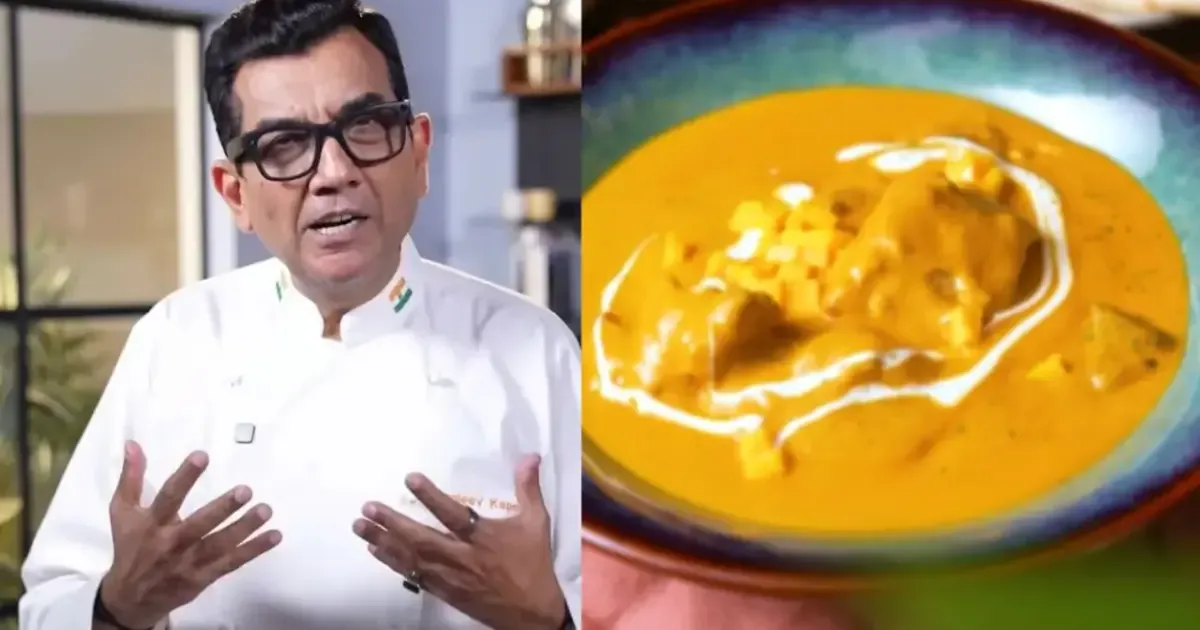
Celebrity chef Sanjeev Kapoor introduces a unique twist to the classic butter chicken by incorporating ripe Alphonso mangoes, creating a dish called Mango Butter Chicken. This recipe balances the traditional savory, creamy, and tangy flavors with the natural sweetness and fruity notes of mango, offering a delightful fusion for adventurous eaters.
Key Takeaways
The main points at a glance
- Chef Sanjeev Kapoor has created a Mango Butter Chicken recipe that adds ripe Alphonso mangoes to the classic dish.
- The mango provides a natural sweetness and tanginess that balances the spices and richness of the gravy.
- Alphonso mangoes are ideal due to their sweetness, smooth texture, and minimal fiber, ensuring a luscious gravy.
- The recipe involves pureeing mangoes and adding them to the tomato-onion base, followed by chicken and cream.
- This fusion dish offers a unique flavor profile that is savory with a distinct fruity twist, making it a great conversation starter.
- It’s recommended to use ripe, sweet, non-fibrous mangoes and balance the spices to achieve the best flavor.
Mango in butter chicken? Yes, you read that right. Chef Sanjeev Kapoor has put a sweet twist on a beloved classic.
Butter chicken is one of India’s most famous dishes. People love it for its creamy, mildly spiced gravy made with tomatoes, butter, and cream. But Kapoor, one of India’s best-known celebrity chefs, has shaken things up by adding ripe Alphonso mangoes to the mix.
The result is a dish called Mango Butter Chicken. It blends the rich, tangy makhani flavors with the natural sweetness of mangoes. It sounds unusual, but it might just work.
Let us break down what this recipe is all about, why it makes sense, and how you can try it in your own kitchen.
The Unexpected Pairing of Mango and Butter Chicken
At first glance, mango and butter chicken seem like odd partners. Butter chicken is savory, creamy, and a bit tangy from tomatoes and yogurt. Mango is sweet, juicy, and fruity. You would not normally put them together.
But Kapoor thinks differently. He is known for experimenting with Indian food and has created many fusion dishes over the years. This time, he looked at the mango season and saw an opportunity.
Alphonso mangoes are in season during the summer months in India. They are famous for their deep sweetness and smooth texture. Kapoor decided to use them to add a new layer of flavor to a classic gravy.
The idea is simple: instead of relying only on tomatoes for the base, he adds ripe mango puree. This changes the taste profile. The mango brings a natural sweetness that balances the heat from spices like red chili powder and garam masala. It also gives the gravy a thicker, fruitier feel.
Some people might worry that the mango will make the dish too sweet. But Kapoor has designed the recipe so that the sweetness is subtle. It is not a dessert; it is a savory dish with a hint of fruit.
This is not the first time a chef has tried fruit in a curry. Chefs have used pineapple in korma, apple in some biryanis, and even banana in certain South Indian stews. Fruit adds a natural sweetness that can replace added sugar and brings a freshness that cuts through the richness of cream and butter.
Kapoor’s Mango Butter Chicken is part of a larger trend. More and more home cooks and chefs are looking for ways to make classic dishes feel new. Fusion food is not just about mixing cuisines anymore; it is about playing with ingredients you already love.
What Makes This Mango Butter Chicken Recipe Work?
To understand why Mango Butter Chicken works, you need to look at the balance of flavors. Butter chicken is built on key elements: tomatoes, cream, butter, and a blend of spices. The tomatoes provide acidity, the cream and butter add richness, and the spices bring warmth and depth.
Mango fits right into this structure. Ripe Alphonso mangoes are sweet, but they also have a mild tanginess that complements the tomatoes. Together, they create a more complex sour-sweet base.
The sweetness of the mango also helps tone down the heat. If you use a spicy garam masala or a lot of red chili, the mango rounds out the heat, making the dish friendlier for those who do not like very spicy food.
Another reason the recipe works is texture. When you puree ripe mango, it becomes thick and smooth. This puree blends easily into the gravy without separating or turning watery. The final gravy ends up creamy and luscious, just like a good butter chicken should be.
Kapoor likely uses the mango puree as a replacement for part of the tomato base, perhaps still using some tomatoes for color and acidity. But the mango adds a fruity note that changes the dish completely.
The dish also has a visual appeal. The orange color of mango puree mixes with the red of tomatoes to give a vibrant, golden-orange gravy that looks beautiful on a plate.
For those used to traditional butter chicken, this version might taste a bit different. But for those who enjoy trying new things, it is a fun twist.
How to Make Mango Butter Chicken at Home
Now, you might be wondering how to make this dish yourself. Kapoor’s exact recipe is not fully detailed in the available sources, but we can piece together the likely steps based on common butter chicken methods and the idea of adding mango puree.
Here is a general guide to making Mango Butter Chicken at home. Remember to adjust quantities to your taste.
Ingredients for Mango Butter Chicken
- 500 grams of boneless chicken (thighs or breast, cut into pieces)
- 2 ripe Alphonso mangoes (or any sweet, ripe mango)
- 2 medium tomatoes (for the base)
- 1 large onion (finely chopped)
- 2-3 cloves of garlic (minced)
- 1-inch piece of ginger (grated)
- 2 tablespoons of butter
- 1 cup of fresh cream
- 1 teaspoon of red chili powder (adjust to taste)
- 1 teaspoon of garam masala
- 1 teaspoon of cumin powder
- Salt to taste
- A pinch of sugar (optional, if mango is not sweet enough)
- Fresh coriander leaves for garnish
Step-by-Step Process
- Prepare the mango puree. Peel the mangoes, remove the flesh, and blend it into a smooth puree. Set aside.
- Make the tomato base. In a pan, melt a tablespoon of butter. Add the chopped onion and saute until golden brown. Add garlic and ginger and cook for another minute. Then add the chopped tomatoes. Cook until the tomatoes soften and break down.
- Blend the base. Once the tomato-onion mixture cools slightly, blend it into a smooth puree. This will be the base of your gravy.
- Cook the gravy. In the same pan, add the remaining butter. Pour the blended tomato-onion puree back in. Add the red chili powder, cumin powder, garam masala, and salt. Let it simmer for 5-7 minutes.
- Add the mango puree. Stir in the mango puree. Mix well. The gravy should turn a bright orange color. Cook for another 3-4 minutes so the flavors combine.
- Add the chicken. If you are using raw chicken, add it to the gravy at this point. Cook on medium heat until the chicken is fully cooked (about 15-20 minutes). If you prefer, you can first sear the chicken pieces in a separate pan and then add them.
- Finish with cream. Lower the heat. Stir in the fresh cream slowly. Do not let it boil after adding cream, or it might curdle. Simmer gently for 2-3 minutes.
- Garnish and serve. Turn off the heat. Garnish with fresh coriander leaves. Serve hot with naan, roti, or steamed rice.
The whole process takes about 45 minutes to an hour. The mango adds a sweet, fruity note that you will notice in every bite.
Why Alphonso Mangoes Are Key for This Recipe
Not all mangoes are the same. Kapoor specifically uses Alphonso mangoes in his recipe for a good reason.
Alphonso mangoes, also known as Hapus in Maharashtra, are considered the king of mangoes. They have deep orange flesh that is almost fiberless. They are incredibly sweet and have a rich, creamy texture with an intense, aromatic flavor, hinting at honey and citrus.
When you use Alphonso mangoes in cooking, they hold their shape well in purees and do not turn watery or stringy. Their balanced sweetness makes them perfect for adding to a savory dish like butter chicken.
Other types of mangoes might work, but they could change the taste. A less sweet mango might not add enough sweetness to balance the spices, and a fibrous mango could leave bits in the gravy. Alphonso mangoes provide a smooth, luxurious feel.
The sweetness of Alphonso mangoes also affects the spice balance. Butter chicken normally uses spices like chili powder and garam masala, sometimes with a little sugar for balance. The mango takes the place of that sugar, adding natural sweetness without the need for refined sugar.
This is a healthier approach. Instead of adding extra sugar, you let the fruit do the work. The final dish has a more complex sweetness that comes from the mango.
If you cannot find Alphonso mangoes, look for other sweet, non-fibrous varieties like Honey mangoes or Kent mangoes. Just make sure they are very ripe, as underripe mangoes are too sour and will throw off the flavor.
Tips for a Perfect Mango Makhani Gravy
Making a good Mango Makhani gravy takes a little care. Here are some tips to help you get it right.
Key Tips for Success
- Use ripe mangoes. This is the most important tip. Unripe or semi-ripe mangoes are tart and will make the gravy sour. Wait until the mangoes are soft and smell fragrant.
- Do not skip the cream. Cream gives butter chicken its signature richness. Use full-fat cream for the best results.
- Balance the spices. The mango is sweet, so you need enough spice to contrast it. Taste as you go to ensure a balance between mango and spice.
- Cook the gravy low and slow. Let the mango and tomato flavors meld together for at least 10 minutes to help the gravy become thick and rich.
- Add cream at the end. Adding cream too early or boiling it can cause it to separate. Stir it in just before finishing, keeping the heat low.
- Adjust consistency. If the gravy is too thick, add a little water or chicken stock. If it is too thin, let it simmer longer to reduce. The final gravy should be velvety.
- Consider marinating the chicken. For extra flavor, marinate the chicken pieces in yogurt, ginger-garlic paste, and a pinch of red chili powder for 30 minutes before cooking.
- Garnish with coriander. Fresh coriander leaves add a fresh, herby note that cuts through the richness.
With these tips, you will be able to create a Mango Makhani gravy that is smooth, flavorful, and perfectly balanced.
Public Reaction to Mango Butter Chicken
It is hard to know exactly how the public has reacted to Kapoor’s Mango Butter Chicken recipe, as specific comments or social media reactions are not detailed in the available sources. However, fusion recipes always attract attention.
Some people love the creativity and see it as a fun way to enjoy seasonal ingredients. Others are more cautious, worrying that adding fruit to a classic dish changes it too much. In Indian cooking, there is a tradition of adding fruit to savory dishes, but butter chicken is a relatively modern dish with strong opinions on how it should taste.
Kapoor is not the first chef to try a fruit-based variation; other chefs have experimented with apple or strawberry versions. These dishes usually get attention but rarely become mainstream.
The timing of Kapoor’s recipe during mango season suggests it is meant to be a seasonal special. It might not be available year-round but offers butter chicken lovers something new to try for a few months.
On social media platforms, this Mango Butter Chicken might have been shared as a video or blog post. Those who tried it likely posted their own versions, with reactions ranging from love to indifference.
From the limited information, the recipe seems to be more of a conversation starter than a permanent change. It invites people to think about using ripe mangoes in new ways beyond eating them raw or in desserts.
Should You Try the Mango Butter Chicken Recipe? A Taste Verdict
So, is Mango Butter Chicken worth making? That depends on how adventurous you are in the kitchen.
If you love butter chicken and enjoy trying new flavor combinations, this recipe is definitely worth a shot. It is not difficult to make, mostly following the same steps as a normal butter chicken with the addition of mango puree.
The taste is likely to surprise you. The mango does not dominate the dish but adds a background sweetness that makes the spices pop. The overall flavor remains savory, but with a distinct fruity twist.
Think of it like a mango lassi meets butter chicken. The cream and mango together create a smooth, almost dessert-like texture, but the spices keep it grounded in savory territory.
If you are a purist who believes butter chicken should never change, then this recipe might not be for you. However, you might miss out on a fun seasonal dish.
For home cooks looking to impress guests, this recipe is a good conversation starter. It is different enough to be interesting but not so unusual that it feels strange. Most people will try it out of curiosity.
The best part is that it uses seasonal ingredients. Mango season only lasts a few months, so if you want to try it, now is the time. Once mangoes are gone, you will have to wait until next year.
Go ahead. Grab some ripe Alphonso mangoes, fire up your stove, and make a batch of Mango Butter Chicken. You might discover a new favorite way to enjoy this classic dish.
Frequently Asked Questions
What is Mango Butter Chicken?
Mango Butter Chicken is a creative twist on the traditional Indian dish, butter chicken. Celebrity chef Sanjeev Kapoor's recipe incorporates ripe Alphonso mango puree into the creamy tomato-based gravy, adding a natural sweetness and fruity dimension to the classic flavors.
Why add mango to butter chicken?
Adding mango to butter chicken balances the dish's inherent richness and spice with a natural sweetness and a hint of tanginess. It complements the tomato base and can reduce the need for added sugar, while also contributing a smooth texture and vibrant color.
Can any mango be used for this recipe?
While any sweet, ripe mango can be used, Alphonso mangoes are specifically recommended due to their intense sweetness, smooth, fiberless texture, and aromatic flavor. If Alphonso mangoes are unavailable, opt for other sweet, non-fibrous varieties like Honey or Kent mangoes, ensuring they are very ripe.
How does mango affect the taste of butter chicken?
The mango adds a subtle, natural sweetness and a fruity aroma that complements the savory spices and creamy texture of butter chicken. It doesn't make the dish taste like a dessert but rather enhances the complexity of the flavors, creating a unique sweet-savory profile.
Is this recipe difficult to make?
The Mango Butter Chicken recipe is generally straightforward, following similar steps to traditional butter chicken. The main difference is the addition of mango puree to the gravy base. The overall process typically takes about 45 minutes to an hour.
What are the key tips for making Mango Butter Chicken?
Key tips include using very ripe, sweet mangoes, not skipping the cream for richness, balancing the spices to contrast the mango's sweetness, cooking the gravy slowly, and adding cream at the end to prevent curdling. Garnishing with fresh coriander also adds a fresh note.
References
- Mango In Butter Chicken? Celebrity Chef Sanjeev Kapoor Says 'Yes' – Original report (NDTV Health)
- Nigella Lawson: 'I'm Not a Chef – I'm Not Even Trained' – NDTV Food – This article about Nigella Lawson is unrelated to Mango Butter Chicken; full text was not available.
- Bhagyashree Relishes Some Delectable Breakfast Dishes For Lunch: Take A Look – NDTV Food – This article about Bhagyashree's breakfast for lunch is unrelated to Mango Butter Chicken; full text was not available.
- How Many Cups Of Coffee Varun Dhawan Drinks In A Day? He Reveals In Special 'Coffee Talk' – NDTV Food – This article about Varun Dhawan's coffee consumption is unrelated to Mango Butter Chicken; full text was not available.
- Unlock: 10 Of The Best Chennai Restaurants Now Open For Home Delivery – NDTV Food – This article about Chennai restaurant deliveries is unrelated to Mango Butter Chicken; full text was not available.
- Enjoy Tacos Desi Style! Make Paneer Aloo Tacos To Please Your Taste Buds (Recipe Video Inside) – NDTV Food – NDTV Food