At a Glance
Discover three authentic traditional Telangana recipes: Guthi Vankaya (stuffed brinjal), Kodi Kura (spicy chicken curry), and Jonna Rotte (sorghum flatbread). Learn about the unique flavors of Telangana cuisine, shaped by its dry climate and reliance on robust spices and grains, and get simple steps to recreate these dishes at home.
Key Takeaways
The main points at a glance
- Telangana cuisine is distinct due to its semi-arid climate, favoring grains like sorghum and millets over rice, and using robust spices like red chilies and tamarind.
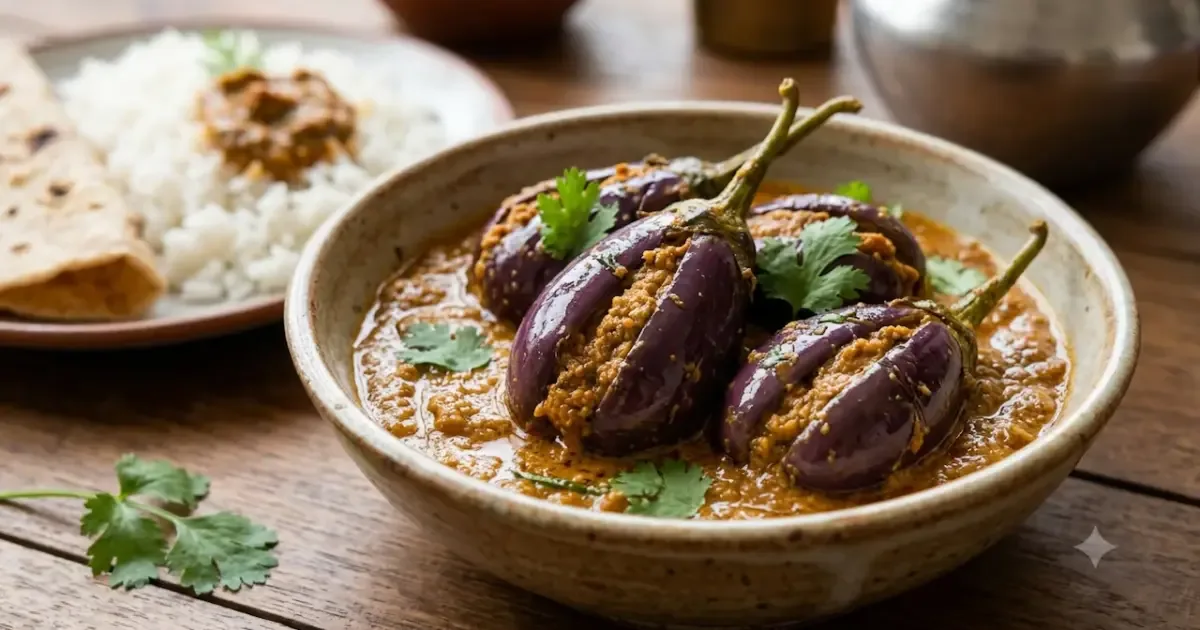
- Guthi Vankaya is a spicy, rustic stuffed brinjal dish featuring a flavorful stuffing of peanuts, sesame, coconut, and chilies.
- Kodi Kura is a fiery and fragrant chicken curry, characterized by its thick, spice-laden gravy achieved through slow-cooked onions and a generous blend of spices.
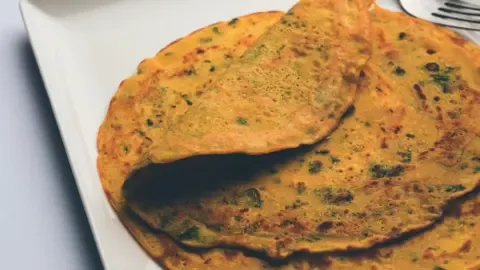
- Jonna Rotte, a dense sorghum flatbread, is a staple in rural Telangana, perfect for mopping up flavorful curries.
- Authentic flavors are achieved through quality red chilies, roasted spices, proper tempering (tadka), deeply caramelized onions, and the judicious use of tamarind and sesame seeds.
- These recipes offer a taste of Telangana’s culinary heritage, emphasizing bold flavors and resourceful cooking techniques.
Exploring Traditional Telangana Recipes
Imagine walking into a kitchen in Telangana. The air is thick with the smell of roasting red chilies, sizzling mustard seeds, and the tang of tamarind. This is the heart of Telangana home cooking: bold, earthy, and full of stories from the land.
Telangana, a state in southern India, has a cuisine shaped by its drier climate. Unlike its coastal neighbor, the region relies more on meat, grains like sorghum, and spices that keep well. This results in a food culture that is robust, satisfying, and deeply flavorful.
Today, we explore three traditional Telangana recipes you can try at home. These dishes, found in home kitchens and restaurants like Anna Native in Hyderabad, offer a taste of the region’s culinary heritage. With a little patience and the right spices, you can bring a bit of that Telangana kitchen into your own home.
Why Telangana Cuisine Stands Apart
Telangana lies on the Deccan Plateau, a hot and semi-arid region. This influences its food, with staples like jonna (sorghum) and sajja (pearl millet) growing well even with little water. Rice is also eaten, but it shares the table with these hearty grains.
The dry heat also influences spice usage. Red chilies are common for heat, color, and smoky depth. Tamarind provides a sour punch, while sesame seeds add a nutty flavor. Coconut is used less than in coastal areas, with cooks relying more on onion and garlic for flavor.
Meat, especially lamb and chicken, plays a significant role. The arid land supports grazing, making mutton traditional. Chicken is also popular and cooked slowly with spices until tender, creating thick, flavorful curries.
Telangana cooking is characterized by its honesty and resourcefulness. It is food made by people who know how to get the most from what they have, with every dish telling a story of adaptation and flavor.
Guthi Vankaya: The Art of Stuffed Brinjal
Guthi Vankaya is a famous stuffed brinjal curry from Telangana. Unlike sweeter or creamier versions from other regions, it is bold, spicy, and rustic. The word “guthi” means stuffed, and “vankaya” means brinjal or eggplant. Small, round Indian brinjals are ideal for this dish.
The stuffing is a flavorful mix of roasted peanuts, sesame seeds, dry coconut, red chilies, tamarind, and a bit of jaggery for balance. This coarse paste is stuffed into slit brinjals, which are then cooked slowly in a gravy of onions, tomatoes, and spices. This process allows the brinjals to soften and absorb all the delicious flavors.
Simplified Guthi Vankaya Recipe
Ingredients for the stuffing:
- 10 to 12 small round brinjals
- 2 tablespoons roasted peanuts
- 2 tablespoons sesame seeds
- 2 tablespoons grated dry coconut
- 4 to 5 dried red chilies (adjust to your heat preference)
- A small ball of tamarind (about the size of a cherry)
- 1 teaspoon jaggery or brown sugar
- Salt to taste
For the gravy:
- 2 tablespoons oil
- 1 teaspoon mustard seeds
- 1 teaspoon cumin seeds
- 1 large onion, finely chopped
- 2 tomatoes, chopped
- 1 teaspoon turmeric powder
- 1 tablespoon red chili powder
- 1 tablespoon coriander powder
- 1 cup water
- Fresh coriander for garnish
Steps:
- Wash and dry the brinjals. Make a cross slit from the bottom, keeping the stem intact.
- Grind the stuffing ingredients (peanuts, sesame seeds, coconut, red chilies, tamarind, jaggery, salt) into a coarse paste. Use a little water if needed.
- Stuff each brinjal generously with the mixture. Set aside any leftover stuffing.
- Heat oil in a deep pan. Add mustard and cumin seeds. When they pop, add chopped onion and sauté until golden brown.
- Add tomatoes and cook until soft. Add turmeric, red chili powder, and coriander powder. Stir for a minute.
- Place the stuffed brinjals in the pan. Add leftover stuffing on top. Pour in 1 cup of water. Cover and cook on low heat for 20 to 25 minutes, stirring gently.
- Serve garnished with fresh coriander, with rice or roti.
This dish offers a wonderful combination of textures and spices, with the brinjals becoming creamy and the stuffing providing bursts of nuttiness and heat. It is a dish that improves in flavor the next day.
Kodi Kura: A Hearty Chicken Curry from the Deccan
Kodi Kura is Telangana’s flavorful chicken curry. It is known for being fiery, fragrant, and deeply satisfying, reflecting the region’s arid climate with a thick, spice-rich gravy that clings to the chicken.
Unlike milder curries that use coconut milk, Kodi Kura gets its body from onions cooked down to a paste and a generous amount of dried spices. The chilies provide not just heat but also a smoky, earthy flavor, making it a sustaining dish.
Traditionally made with country chicken for its lean, flavorful meat, it can also be prepared with regular chicken. The key is slow cooking to allow the meat to absorb the masala.
Kodi Kura Recipe
Ingredients:
- 500 grams chicken, cut into pieces (with bones preferred)
- 3 tablespoons oil
- 1 teaspoon mustard seeds
- 1 teaspoon cumin seeds
- 2 large onions, finely chopped
- 2 tablespoons ginger-garlic paste
- 2 tomatoes, pureed
- 1 teaspoon turmeric powder
- 2 tablespoons red chili powder (adjust to taste)
- 1 tablespoon coriander powder
- 1 teaspoon garam masala
- Salt to taste
- Fresh coriander for garnish
Steps:
- Heat oil in a heavy-bottomed pan. Add mustard and cumin seeds. Once they crackle, add chopped onions and cook until deep brown (about 10-12 minutes).
- Add ginger-garlic paste and sauté for a minute.
- Add tomato puree and cook until oil separates.
- Add turmeric, red chili powder, coriander powder, and salt. Stir well and cook for 2 minutes.
- Add chicken pieces and mix to coat with masala. Cook on high heat for 5 minutes, stirring occasionally.
- Reduce heat to low. Add 1/2 cup water. Cover and cook for 25 to 30 minutes until chicken is tender and gravy is thick.
- If needed, add more water for desired consistency and simmer. Sprinkle garam masala and stir.
- Garnish with fresh coriander. Serve hot with rice, roti, or jonna rotte.
The spices in this curry cling beautifully to each piece of chicken, offering a pleasant, building heat. It is a beloved everyday dish in Telangana homes, perfect with plain steamed rice.
Jonna Rotte: A Traditional Sorghum Flatbread
Jonna Rotte is a staple flatbread in rural Telangana, made from sorghum flour. Sorghum (jonna) is a millet that thrives in dry conditions, making this flatbread a perfect accompaniment to hearty curries like Kodi Kura or Guthi Vankaya.
Making Jonna Rotte requires some practice as the dough lacks gluten, but the result is a dense, slightly nutty bread that is deeply satisfying.
Jonna Rotte Recipe
Ingredients:
- 2 cups sorghum flour (jonna pindi)
- 1/2 teaspoon salt
- 1 cup warm water (approximately)
- Oil or ghee for greasing
Steps:
- Mix sorghum flour and salt in a bowl. Gradually add warm water and knead into a soft, smooth, and pliable dough.
- Grease your hands and divide the dough into 6 equal balls.
- Flatten one ball on a greased plastic sheet or towel using your fingers to form a round disc about 1/4 inch thick.
- Heat a tawa or griddle on medium heat. Carefully place the rotte on the hot tawa.
- Cook for 2 minutes until small bubbles appear. Flip and cook the other side for another 2 minutes. Drizzle oil or ghee around the edges.
- Cook until both sides have golden brown spots. Serve hot with curry or dal.
Jonna Rotte is often eaten with pappu, a spicy dal made with toor dal. This simple combination is deeply satisfying. For a lighter option, a plain dal with tamarind and a garlic tadka is also delicious.
Another option for a complete meal could be Potlam Biryani, a unique biryani cooked in a sealed pot, as served at Anna Native restaurant. However, for home cooking, Jonna Rotte or a simple pappu provides an authentic and accessible experience.
Tips for Authentic Telangana Flavors
Achieving authentic Telangana flavors involves key ingredients and techniques. Here are some tips:
- Use quality red chilies: Opt for fresh or good-quality dried red chilies, like the Guntur variety, for heat and color. Adjust based on spice level.
- Roast your spices: Dry-roasting spices like peanuts and sesame seeds before grinding enhances their oils and deepens their flavor, especially for Guthi Vankaya stuffing.
- Master the tadka: The tempering of mustard and cumin seeds in hot oil at the start is crucial for releasing essential flavors. Wait for seeds to pop before adding other ingredients.
- Caramelize onions deeply: For dishes like Kodi Kura, cooking onions until they are deep brown is vital for a rich, dark gravy and foundational flavor.
- Embrace tamarind: Use tamarind pulp or juice to add a bright, sour note that balances rich flavors. Lemon juice is a substitute but offers a different taste.
- Incorporate sesame seeds: Lightly toasted sesame seeds add a nutty finish to dishes like Guthi Vankaya stuffing and as a garnish for dals.
- Be patient with gravies: Telangana curries are meant to be thick and clingy. Simmer uncovered to reduce thin gravies or add a splash of water for thicker ones.
By following these tips, you can bring the authentic taste of Telangana cuisine into your home kitchen.
Frequently Asked Questions
What makes Telangana cuisine unique?
Telangana cuisine is unique due to its semi-arid climate, which influences the ingredients and cooking methods. It relies heavily on grains like sorghum and millet, robust spices such as red chilies and tamarind, and dishes that are often bold, earthy, and deeply flavorful.
What is Guthi Vankaya?
Guthi Vankaya is a traditional Telangana dish made with small brinjals that are slit and stuffed with a flavorful paste. This paste typically includes roasted peanuts, sesame seeds, dry coconut, red chilies, and tamarind, creating a spicy and rustic curry.
How is Kodi Kura different from other chicken curries?
Kodi Kura is a fiery and fragrant chicken curry from Telangana that is distinct from milder, creamier versions. Its thick gravy is achieved through slow-cooked onions and a generous amount of spices, offering a robust and satisfying flavor profile.
What is Jonna Rotte and why is it important?
Jonna Rotte is a traditional flatbread made from sorghum flour, a staple in rural Telangana. It thrives in dry conditions and is a dense, slightly nutty bread that perfectly complements the region's spicy curries.
What are key spices used in Telangana cooking?
Key spices in Telangana cooking include red chilies (for heat and color), tamarind (for sourness), sesame seeds (for a nutty flavor), mustard seeds, and cumin seeds (used in tempering). Roasting spices is also a common technique to enhance flavor.
Can I make these traditional Telangana recipes at home?
Yes, these traditional Telangana recipes are designed to be made at home. While some ingredients might require sourcing, the steps provided are simplified to guide home cooks in recreating the authentic flavors of Guthi Vankaya, Kodi Kura, and Jonna Rotte.
References
- From Guthi Vankaya To Kodi Kura, 3 Traditional Telangana Recipes To Try At Home – Original report (NDTV Health)
- Mudde Meal For Rs 200? Tokyo Influencer Enjoys Vegetarian Food At Bengaluru's The Rameshwaram Cafe – NDTV Food – NDTV Food
- From Guthi Vankaya Kura to Potlam Biryani, the all-new Anna Native in Hyderabad offers unique regional dining experience – IndulgExpress – This article covers Anna Native restaurant in Hyderabad, which serves Guthi Vankaya Kura and Potlam Biryani, adding a dining-experience angle to the traditional recipes.
- Vir Das Asks The Internet For Cheat Day Recommendations In London; Netizens Offer Great Options – NDTV Food – NDTV Food
- Watch: Bhagyashree Spent Her 'Holi Day Holiday' Relishing This South Indian Spread – NDTV Food – NDTV Food
- Happy World Sandwich Day: Classic Sandwiches You Must Try – NDTV Food – NDTV Food