At a Glance
An 18-year-old tourist, Romanch Mahajan, tragically died in Central Park after falling from a horse-drawn carriage. The horse bolted during the ride, causing his mother to fall, and Romanch jumped off the moving carriage to help her, resulting in his fatal injuries. The incident has reignited debate about the safety and future of the horse carriage industry in New York City.
Key Takeaways
The main points at a glance
- An 18-year-old tourist, Romanch Mahajan, died after falling from a Central Park horse-drawn carriage while trying to save his mother.
- The horse bolted unexpectedly, causing the mother to fall, and Romanch’s brave but fatal attempt to help her.
- The entire incident was captured on video, which has spread widely and intensified calls for reform or a ban on the horse carriage industry.
- The horse carriage industry in New York City has a long history of controversy, with animal rights groups and safety advocates raising concerns for decades.
- Mayor Eric Adams and other city leaders have called for an end to the industry following the tragedy.
- The future of horse-drawn carriages in Central Park is uncertain, with this incident potentially being the catalyst for significant change.
Central Park Carriage Accident: A Family’s Vacation Turns Tragic
A family from India visited New York City seeking memorable sights, and a horse-drawn carriage ride in Central Park was on their itinerary. However, what began as a picturesque outing turned into a devastating tragedy when the horse pulling their carriage suddenly bolted.
The horse began running uncontrollably through the park, with the driver unable to regain control. The carriage, carrying several passengers, became a dangerous runaway vehicle.
The Fatal Bolt and a Son’s Sacrifice
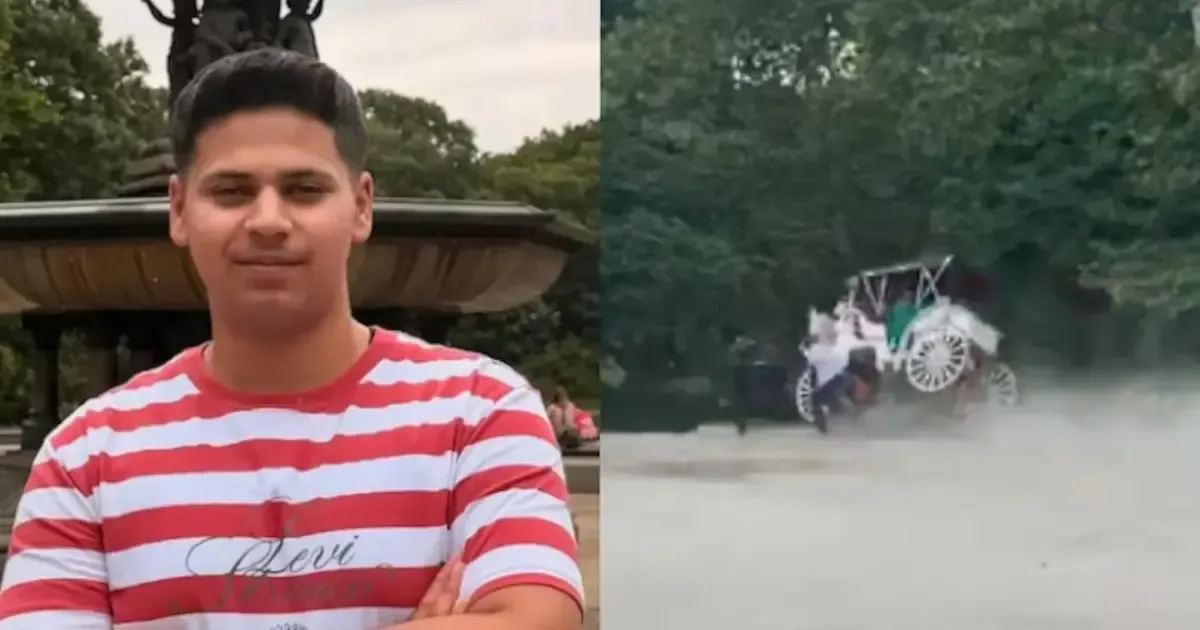
During the chaotic ride, a woman fell from the carriage. Her 18-year-old son, Romanch Mahajan, witnessed his mother’s fall. Without hesitation, he jumped from the moving carriage in an attempt to help her.
Tragically, this brave act of sacrifice led to his own death. Romanch Mahajan was thrown from the carriage and sustained fatal injuries upon impact with the ground. His mother survived the incident, but her son was lost.
Romanch Mahajan’s Final Moments
Romanch Mahajan, 18, was visiting New York with his family from India. The family was enjoying tourist attractions, including a carriage ride in Central Park, a popular destination for international visitors.
Reports indicate the horse bolted unexpectedly. Despite the driver’s presence, the animal’s speed and erratic movement caused panic among onlookers and passengers. Romanch’s mother fell from the carriage, and in a split-second decision, Romanch jumped to her aid.
His attempt to help his mother resulted in him falling from the moving carriage, leading to his death. This act of courage, a son prioritizing his mother’s safety, ended his young life.
The accident left Romanch’s family devastated, turning their vacation into an unimaginable loss. No other individuals were reported injured, and the condition of the horse and driver remains unconfirmed. Romanch Mahajan, on the cusp of adulthood, had his future tragically cut short.
The Viral Video of the Central Park Tragedy
The entire incident was captured on video, showing the horse bolting and the subsequent events. This footage quickly spread online and was featured by numerous international news outlets, including NDTV, The New York Times, ABC News, Gulf News, and Mint.
The video provides a stark and harrowing account of the accident, illustrating the rapid descent from a pleasant day to a life-threatening situation. While some questioned the ethics of sharing such graphic content, others argued it highlighted the inherent dangers of horse-drawn carriages in a busy urban park.
For Romanch’s family, the video serves as a painful reminder of their son’s final moments, a visual testament to his bravery and the suddenness of the tragedy.
Central Park Horse Carriages: A History of Controversy
Horse-drawn carriages have been a fixture in Central Park since the late 19th century, often seen as a romantic symbol of old New York and a popular attraction for tourists.
However, the industry has long been a subject of controversy, particularly from animal rights organizations like NYCLASS. These groups cite concerns about the horses’ working conditions, including exposure to exhaust fumes, hard pavement, traffic noise, and long hours.
Safety has also been a recurring issue. Carriages share space with vehicles, cyclists, and pedestrians, leading to past accidents. In 2014, a horse named Oreo bolted after being spooked by a bus, resulting in injuries to the horse and damage to a parked car. While fatalities are rare, incidents of horses bolting, carriages tipping, and injuries to drivers and passengers have occurred over the years.
The industry is regulated by the New York City Department of Consumer Affairs, with rules governing working hours, rest periods, and safety features. However, critics argue these regulations are insufficient to prevent accidents and ensure animal welfare in a demanding urban environment.
Attempts to ban horse-drawn carriages in New York City have been made periodically, often facing strong opposition from drivers and industry proponents. Former Mayor Bill de Blasio’s pledge to ban them in 2013 ultimately did not materialize due to political and legal challenges.
Leaders Call for an End to the Carriage Industry
Following the fatal Central Park carriage accident, New York City Mayor Eric Adams publicly stated his belief that the industry should end. He emphasized concerns for the safety of tourists, animals, and the general public.
His remarks have been echoed by city council members who have previously supported a ban, with the tragedy providing a stark example of the potential risks involved. Animal rights advocates have intensified their calls for immediate action, organizing rallies and petitions to urge the city council to vote on a ban.
Carriage drivers, however, maintain that the accident was an isolated incident and that their horses are well-trained and cared for. They express concerns about losing their livelihoods if a ban is enacted.
While no official legislation has been introduced yet, the Mayor’s strong stance suggests a significant push from city leadership to address the future of horse-drawn carriages.
The Uncertain Future of Horse-Drawn Carriages in New York
The tragic death of Romanch Mahajan has reignited the debate surrounding horse-drawn carriages in Central Park. While past efforts to ban the industry have failed, the severity of this incident, coupled with public video evidence, may create new momentum for change.
A potential ban could involve a phased-out approach, allowing time for drivers to transition to new careers and for horses to be retired to sanctuaries. Other cities have implemented restrictions on horse-drawn carriages, such as limiting their operating areas or hours, which New York could consider.
For Romanch’s family, the focus remains on seeking justice and preventing similar tragedies. Support from the Indian consulate and potential legal actions are being explored. While no amount of compensation can replace their son, his sacrifice may ultimately lead to significant changes in the industry.
The incident serves as a somber reminder of the risks associated with horse-drawn carriages in a bustling city. Romanch Mahajan’s bravery in trying to save his mother has brought renewed attention to the safety and ethical considerations of this long-standing tradition. His story may indeed be the catalyst for ending an era, ensuring his sacrifice is not forgotten.
The horse involved, though not intentionally malicious, played a role in the tragic outcome. The incident leaves a grieving family, a lost young life, and a city grappling with the balance between tradition and safety.
The future of horse-drawn carriages in Central Park is now uncertain, with Romanch Mahajan’s death potentially marking a turning point for the industry and its impact on public safety and animal welfare.
Frequently Asked Questions
What happened during the Central Park carriage ride?
A horse pulling a carriage in Central Park suddenly bolted, causing a passenger, Romanch Mahajan's mother, to fall off. Her son, Romanch Mahajan, jumped from the moving carriage to help her but tragically died from his injuries.
Who was Romanch Mahajan?
Romanch Mahajan was an 18-year-old tourist from India visiting New York City with his family. He lost his life while attempting to save his mother during a horse carriage accident in Central Park.
Was the accident caught on video?
Yes, the entire Central Park carriage accident was captured on video. The footage shows the horse bolting and the subsequent events, and it has been widely shared by news outlets globally.
Is the horse carriage industry in New York City controversial?
Yes, the horse carriage industry has been controversial for decades. Animal rights groups and safety advocates have raised concerns about animal welfare and the safety risks associated with operating carriages in a busy urban park.
What has been the response from city officials?
Following the tragedy, New York City Mayor Eric Adams called for an end to the horse carriage industry, citing safety concerns for tourists, animals, and the public. Other city leaders have echoed these sentiments.
What is the potential future for horse-drawn carriages in Central Park?
The future of the industry is uncertain. This fatal accident, combined with public outcry and political pressure, may lead to a ban or significant restrictions on horse-drawn carriages in Central Park, potentially phasing out the industry over time.
References
- Video: Moment Horse Bolted In New York, Leading To Indian Tourist's Death – Original report (NDTV World)
- Video: Moment Horse Bolted In New York's Central Park, Leading To Indian Tourist's Death – NDTV – NDTV provided the original RSS item with details of the accident and the video.
- 18-Year-Old Dies in Fall From Horse Carriage in Central Park – The New York Times – The New York Times confirmed the death and provided authoritative local reporting.
- Indian teen dies trying to save mother in New York carriage tragedy – Gulf News – Gulf News emphasized the victim's Indian nationality and the heroic act of trying to save his mother.
- New York mayor, other leaders push to end horse carriage industry after Indian teen's death – ABC News – Breaking News, Latest News and Videos – ABC News reported on the political response, including Mayor Adams pushing to end the horse carriage industry.
- Video: Indian tourist succumbs to injuries after being thrown from horse-drawn carriage in NYC's Central Park – Mint – Mint provided coverage from an Indian financial perspective, focusing on the tourist's death and the video.