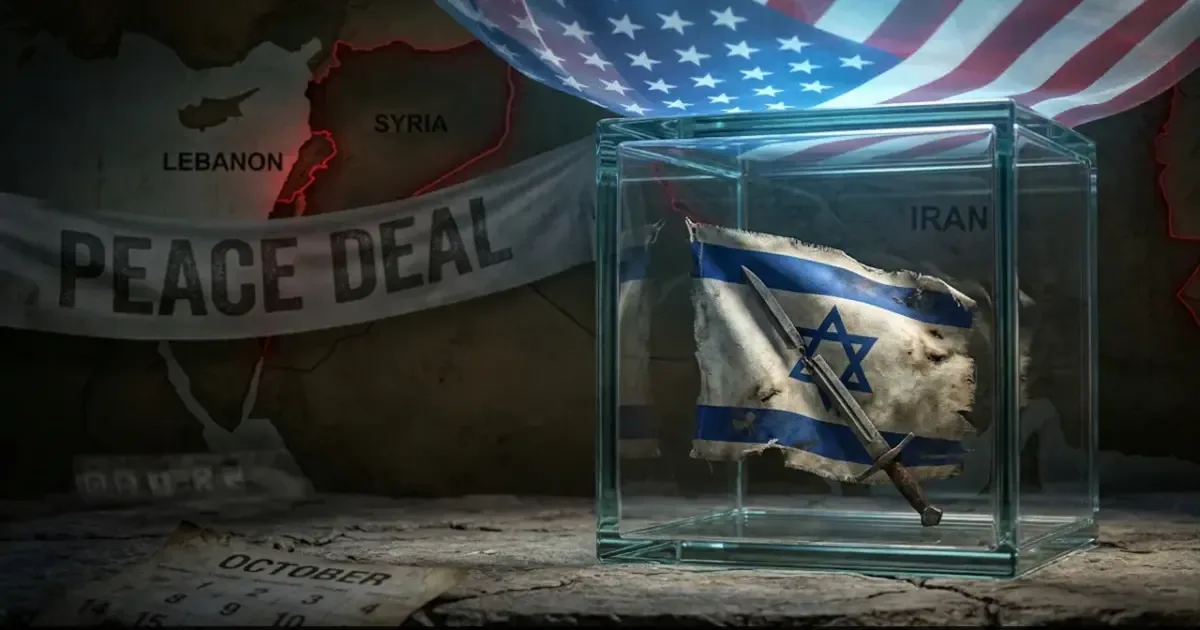
At a Glance
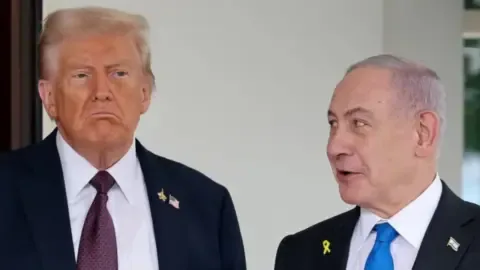
A potential US-Iran peace deal brokered by Donald Trump has put Israeli Prime Minister Benjamin Netanyahu in a difficult political and military position just weeks before an election. The deal, which pauses strikes on Iran for two weeks while negotiators work on a 10-point agreement, limits Netanyahu’s options for military action against Iran and Hezbollah. This undermines his election campaign’s focus on security and leaves him with challenging choices regarding his allies and domestic political base.
Key Takeaways
The main points at a glance
- A US-Iran peace deal, brokered by President Trump, restricts Israel’s military options against Iran and Hezbollah.
- The deal complicates Benjamin Netanyahu’s election campaign, which heavily relies on his image as Israel’s security protector.
- Netanyahu faces a dilemma: supporting the deal risks alienating his right-wing base, while opposing it could strain relations with Trump.
- Israel retains limited military options, such as continued strikes on weapons shipments and enhanced defenses, and diplomatic avenues to influence the deal.
- The regional impact includes potential weakening of Hezbollah and economic stabilization for Lebanon, but also risks of escalation if Hezbollah acts independently.
- The upcoming election may become a referendum on Netanyahu’s ability to ensure security in a diplomatic rather than military-focused regional landscape.
Benjamin Netanyahu finds himself in a difficult position in his Jerusalem office. News arrives from Washington: Donald Trump has halted planned strikes on Iran and is instead pursuing a 10-point peace deal.
This development is a major shock. For months, Netanyahu had been preparing for potential military actions against Iran’s nuclear facilities and Hezbollah in Lebanon. Now, these options are diminishing, and an election is fast approaching.
The US-Iran peace deal, brokered by Trump, significantly restricts Israel’s military choices and alters the political landscape for Netanyahu’s upcoming election campaign. Here’s an examination of the deal, its implications for Israel, and its impact on the election just weeks away.
The US-Iran Peace Deal: A Shift in Regional Dynamics
While the specifics are still being finalized, the broad outline of the US-Iran peace plan is clear. Both nations are considering a 10-point agreement, with negotiators given two weeks to reach a consensus. During this period, the US has suspended any military strikes against Iran.
This represents a significant change in the long-standing standoff between the US and Iran. Trump’s previous threats have now given way to a willingness to negotiate as the deadline nears.
If successful, the peace deal could rebalance power in the Middle East. Iran would receive sanctions relief in exchange for limiting its nuclear program and reducing support for groups like Hezbollah, thereby diminishing a key threat to Israel.
However, this diplomatic shift also removes a critical opportunity for Netanyahu. He had advocated for a more assertive US policy, supporting Israeli strikes on Iran’s nuclear sites. Instead, the US is now prioritizing diplomacy, leaving Israel in a more passive role.
The timing is particularly challenging for Netanyahu, as Israel faces an election within weeks. His political campaign has heavily relied on his image as Israel’s protector, promising safety from Iran and Hezbollah. A peace deal that curtails his ability to take military action directly undermines this core message.
Netanyahu’s Dilemma: Limited Military Options Against Iran and Lebanon
The peace deal places Netanyahu in a precarious situation. He cannot openly oppose a US-brokered agreement without straining relations with Washington, Israel’s crucial ally. Conversely, accepting the deal means relinquishing the military freedom he has long sought.
The agreement specifically constrains Israel’s options concerning Iran and Lebanon.
Regarding Iran, Israel loses the immediate option of preemptively striking nuclear sites. The proposed deal includes Iranian commitments to inspections and enrichment limits, potentially making military action appear less justifiable globally. Netanyahu has consistently argued that Israel cannot trust Iran and must retain the right to act unilaterally. This deal effectively removes that option, at least temporarily.
The situation in Lebanon is more complex. Hezbollah, an Iranian-backed militia, possesses a substantial arsenal of rockets targeting Israel. Netanyahu had reportedly planned a significant operation to push Hezbollah back from the border. The peace deal could halt these plans. If Iran reduces its funding, Hezbollah might be weakened. However, a failure of the deal could embolden Hezbollah to act independently.
Netanyahu’s coalition partners, including hardliners advocating for the destruction of Hezbollah and strikes on Iran, are closely observing. They are unlikely to accept a deal that restricts Israel’s actions. Netanyahu risks losing their support if he backs the agreement, or creating a rift with Trump if he opposes it.
This creates a narrow, challenging space with no straightforward solutions.
Trump’s Two-Week Pause: A Diplomatic Gamble
Trump’s decision to pause strikes for two weeks is a strategic move. It could signal a genuine pursuit of peace or serve as a tactic to gain leverage over Iran. Regardless of intent, it complicates Netanyahu’s position.
The two-week timeframe is brief for negotiating a comprehensive 10-point agreement covering nuclear activities and sanctions. If talks falter, Trump could resume threats of military action, potentially blaming Iran for the failure.
For Netanyahu, the uncertainty is a significant challenge. He cannot plan military actions during this pause, nor can he launch strikes on Iran without undermining Trump’s diplomatic efforts. Similarly, a major operation in Lebanon is unlikely while the US seeks calm for negotiations.
This pause also empowers Trump in his dealings with Netanyahu. Any Israeli action perceived as disrupting the talks could lead Trump to portray Netanyahu as an obstacle to peace, potentially damaging Israel’s standing in Washington and among American voters. Netanyahu is aware of this dynamic and must remain cautious.
Some analysts suggest the pause is designed to pressure Netanyahu, aiming for a deal that weakens Iran without war, thereby diminishing Netanyahu’s political standing. Others view it as standard diplomatic practice, allowing talks a genuine chance before escalating pressure. For Netanyahu, however, any diplomacy that limits Israel’s options is inherently threatening.
Election Dynamics: The Impact of the US-Iran Deal on Israeli Politics
Israel’s election is imminent, with the date to be set within weeks. Netanyahu’s Likud party faces a close contest against a centrist coalition focused on domestic issues. However, security concerns have dominated the campaign discourse.
Netanyahu has cultivated a reputation as Israel’s security guarantor, adopting a strong stance against Iran and warning Hezbollah. His campaign message often centers on his unique ability to ensure national safety.
The US-Iran peace deal challenges this narrative. If the US pursues peace with Iran, Netanyahu’s ability to portray Iran as an immediate threat is diminished. The deal’s restrictions prevent him from promising strikes on Iranian nuclear sites, and US pressure for peace limits the possibility of war with Hezbollah.
This forces Netanyahu into a difficult choice. Embracing the deal might be perceived by some as a diplomatic victory, but his right-wing base, which often favors a more aggressive stance against Hezbollah, may view it as appeasement. Many in this base desire the complete dismantling of Hezbollah due to its rocket threat.
Alternatively, Netanyahu could oppose the deal, potentially rallying his base but risking a conflict with Trump, who enjoys significant support among Israeli conservatives. Alienating Trump could negatively impact his electoral prospects.
Furthermore, Netanyahu’s coalition includes far-right parties that have threatened to withdraw support if he concedes to US pressure. Such a departure could trigger a government collapse and new elections, potentially exacerbating his electoral challenges.
In essence, the deal presents Netanyahu with a no-win scenario: he could lose the election by appearing weak or by alienating his coalition and a key ally.
Israel’s Remaining Options: Military and Diplomatic Strategies
Despite the looming peace deal, Israel retains several options, both military and diplomatic.
Militarily, Israel can continue operations that avoid direct confrontation with Iran or escalation. This includes ongoing airstrikes against Hezbollah weapons shipments in Syria, a strategy that has not been halted by the US and has been a consistent part of Israel’s approach.
Israel can also bolster its defensive capabilities. Enhancements to existing missile defense systems like the Iron Dome are possible. Additionally, preparations for a potential Hezbollah attack could involve reinforcing border troops and establishing evacuation plans for northern communities.
Targeted assassinations represent another military option. Israel has a history of eliminating Hezbollah commanders and Iranian nuclear scientists. These covert operations, though risky to the peace process, could potentially continue.
Diplomatically, Israel can seek to influence the peace deal’s terms. Netanyahu’s close relationship with Trump provides an avenue to advocate for Israeli security guarantees within the 10-point plan. He can push for firm assurances against Iran acquiring nuclear weapons and demand measures for Hezbollah’s disarmament.
Collaboration with allies, particularly Gulf states like Saudi Arabia and the UAE who share concerns about Iran, could also be pursued. Joint pressure on the US might help maintain vigilance regarding Iran’s activities.
However, these options are limited and represent damage control rather than proactive initiatives, offering less freedom than Israel previously had.
Netanyahu must now decide his approach. He can engage diplomatically to secure favorable terms or adopt a more assertive stance, risking confrontation. In either case, he is operating from a position of diminished influence.
Regional Impact: Hezbollah and Lebanon Under the Deal
The US-Iran peace deal extends its influence beyond Israel and Iran, significantly impacting Lebanon and the powerful Hezbollah organization.
Hezbollah, a Shiite militia and political party deeply embedded in Lebanon, possesses a substantial arsenal of rockets and missiles, largely supplied by Iran. It has long been Israel’s most immediate security concern, leading to numerous conflicts and ongoing border tensions.
Under a US-Iran peace agreement, Iran would likely reduce its support for Hezbollah, potentially weakening the group militarily and financially. This could also lead to increased pressure on Hezbollah from other Lebanese factions seeking to curb its influence.
However, Hezbollah operates with its own agenda, independent of Iran. Its leader, Hassan Nasrallah, has indicated a continued commitment to confronting Israel, irrespective of developments in Iran. Therefore, the deal may not entirely neutralize Hezbollah’s threat.
In the short term, a perceived abandonment by Iran could prompt Hezbollah to engage in provocative actions to assert its relevance, such as limited rocket attacks on Israel. Such actions could trigger Israeli retaliation, potentially jeopardizing the peace process.
Lebanon itself faces significant consequences. The country is grappling with a severe economic crisis, currency collapse, and widespread shortages. A reduction in regional tensions could foster stability. Conversely, continued independent action by Hezbollah could draw Lebanon into another conflict with Israel.
The peace deal offers Israel an opportunity to advocate for a broader regional settlement. Netanyahu could insist that any agreement include Iran’s commitment to cease arming Hezbollah. Iran’s compliance would be a significant win for Israel, while refusal would undermine the deal’s credibility.
Future Scenarios: Navigating the Coming Weeks
The upcoming weeks are pivotal as the two-week pause progresses. Three potential scenarios could unfold:
Scenario One: Successful Deal Implementation. The US and Iran finalize a 10-point peace plan, with Iran agreeing to nuclear program limitations and cessation of support for Hezbollah, leading to sanctions relief. Trump would claim success. Netanyahu would face the choice of accepting the deal, potentially alienating his base, or rejecting it, risking US relations. He would likely accept it quietly and attempt to frame it as a security achievement, shifting his campaign focus to other issues while losing his primary security argument.
Scenario Two: Deal Failure Due to Iranian Non-Compliance. Negotiations collapse because Iran refuses to make necessary concessions. Trump would likely blame Iran, renewing threats of military action. The US might then strike Iran’s nuclear facilities, an outcome Netanyahu would welcome, providing Israel justification to support or join the operation. This scenario would benefit Netanyahu electorally, reinforcing his stance on Iran and positioning him as a decisive leader.
Scenario Three: Deal Sabotage by External Actors. The talks are derailed by an external event, such as a Hezbollah rocket attack on Israel or an unsanctioned Israeli operation. If Israel is blamed, severe repercussions could follow, including Trump distancing himself from Netanyahu, potentially leading to an electoral disaster for the prime minister. If Hezbollah is blamed, Iran might withdraw, but the US and Israel could unite against Hezbollah, potentially leading to a limited conflict in Lebanon.
Each scenario carries distinct implications for Netanyahu’s political future, highlighting his reactive position amidst the actions of the US, Iran, and Hezbollah.
Ultimately, the election will likely serve as a referendum on this peace deal. Voters will assess Netanyahu’s ability to ensure safety in an era where diplomacy is supplanting military action. While his security record is strong, the current deal fundamentally alters the strategic landscape.
Netanyahu is a seasoned political survivor, accustomed to navigating crises. However, this situation presents unique challenges, confining him within a narrow set of difficult choices.
Frequently Asked Questions
What is the main impact of the US-Iran peace deal on Netanyahu's election campaign?
The US-Iran peace deal undermines Netanyahu's core campaign message of being Israel's sole protector against Iran and Hezbollah. By limiting his military options, it challenges his promise to keep the country safe and reduces his ability to campaign on a platform of decisive action against these threats.
What are Netanyahu's limited military options under the peace deal?
Netanyahu's military options are constrained. He cannot openly pursue preemptive strikes on Iran's nuclear sites as planned. While Israel can continue targeting weapons shipments to Hezbollah in Syria and bolster its defenses, major offensive operations against Iran or Hezbollah are now politically difficult and potentially disruptive to the peace process.
How does the deal affect Israel's relationship with the US?
The deal puts Netanyahu in a delicate position with the US. Openly opposing a US-brokered peace agreement could damage relations with Washington, Israel's most important ally. However, accepting a deal that limits Israel's security options could alienate his domestic base and coalition partners.
What is the potential impact on Hezbollah and Lebanon?
If Iran reduces support for Hezbollah as part of the deal, the group could be weakened. However, Hezbollah might also act independently to assert its relevance, potentially leading to conflict. For Lebanon, the deal could bring regional stability and economic relief, but continued conflict risks further destabilization.
What are the possible outcomes for the US-Iran negotiations?
Three main scenarios exist: the deal succeeds, leading to sanctions relief for Iran and limited options for Israel; the deal fails due to Iranian non-compliance, potentially leading to US strikes; or the deal is sabotaged by external actors, causing regional instability and diplomatic fallout.
Can Israel still influence the peace deal?
Yes, Israel can attempt to influence the deal through diplomatic channels. Netanyahu can leverage his relationship with President Trump to advocate for Israeli security guarantees, such as assurances against Iran acquiring nuclear weapons and demands for Hezbollah's disarmament.
References
- US-Iran Peace Deal Drops Netanyahu Into A Box As Election Deadline Nears – Original report (NDTV World)
- US-Iran Peace Deal Drops Netanyahu Into A Box As Election Deadline Nears – NDTV – NDTV
- A Tale Of Two Tigers On Shiv Sena's Foundation Day – NDTV – This article is unrelated to the topic; it covers Shiv Sena's foundation day and was not used for facts.
- US, Iran weigh peace plan as Trump's 'hell' warning nears deadline – Reuters – Reuters confirmed the US and Iran are weighing a peace plan, adding credibility and diplomatic context.
- Trump pauses Iran strikes for two weeks to negotiate 10-point peace deal – Fox News – Fox News provided the specific detail of a two-week pause and a 10-point deal, adding tactical and numerical specifics.