At a Glance
Oil prices have plummeted to their lowest point since the Iran war began, driven by a ceasefire agreement that will reopen the vital Strait of Hormuz. This reopening is expected to flood the global market with millions of barrels of crude oil, potentially leading to further price drops.
Key Takeaways
The main points at a glance
- A ceasefire agreement has been signed, ending the conflict that led to the closure of the Strait of Hormuz.
- The Strait of Hormuz is expected to reopen soon, significantly increasing global oil supply.
- Oil prices have fallen sharply to their lowest levels since the start of the Iran war in anticipation of increased supply.
- Traders are reacting to the news by adjusting positions, with many expecting further price declines.
- The Strait of Hormuz is a critical chokepoint, vital for the export of oil from several Middle Eastern countries.
- Potential risks include the ceasefire unraveling or logistical issues delaying the reopening, which could cause prices to rebound.
Oil prices have tumbled to their lowest point since the start of the Iran war. This sharp decline follows a ceasefire deal that paves the way for the Strait of Hormuz to reopen, expected to unleash a significant wave of crude oil supply onto the global market.
Traders are bracing for further price drops as the reopening of the Strait of Hormuz, a critical global oil chokepoint, will add millions of barrels of oil to a market already well-supplied. This influx of supply could push prices even lower in the coming days and weeks.
Multiple news outlets, including NDTV, TradingView, NET25, Internazionale, and EnergyNow.com, have confirmed the ceasefire agreement. The Strait of Hormuz reopening is anticipated as soon as Friday, though an official timeline is pending. The combination of the ceasefire and the expected reopening has already significantly impacted market prices.
Oil Prices Plunge on Strait of Hormuz Reopening News
The price of crude oil has fallen to its lowest level since the outbreak of the Iran war, a dramatic decline reflecting the sheer importance of the Strait of Hormuz as a global oil chokepoint. With the Strait closed due to conflict, oil supply was constrained, helping to keep prices higher. Now that it is reopening, that constraint is gone, and supply is poised to return to the market.
Oil markets operate heavily on expectations. The mere news of the ceasefire and the Strait of Hormuz reopening was enough to send prices downward. Traders sold off positions before the first tanker even passed through, a typical reaction in commodity markets where future supply expectations drive current prices.
The scale of this price move is significant, demonstrating how much the closure of the Strait had been supporting the market. Without that support, the floor under prices has disappeared for now. Analysts are closely watching to see how far prices might fall, with many predicting continued declines if the reopening proceeds smoothly.
This news broke on a day when other factors, such as uncertain global demand, were also weighing on oil. However, the Strait of Hormuz reopening is the dominant factor, representing a pure supply-side event. More supply directly translates to lower prices, a fundamental principle of oil markets.
The ceasefire that made the reopening possible is a major geopolitical development. It ends a period of conflict that had disrupted oil transit through one of the world’s most vital waterways. While the details of the ceasefire are still emerging, its immediate effect is clear: it has unlocked oil supply previously kept off the market by force.
Key Developments: Ceasefire, Reopening, and Price Drop
The Ceasefire Agreement
A ceasefire agreement has been signed between the warring parties, according to all reporting outlets. While the precise terms are not fully detailed, the deal ends the active conflict that led to the Strait’s closure. The agreement appears to be the result of behind-the-scenes negotiations and is reportedly holding, allowing preparations for the Strait’s reopening to advance.
Anticipated Strait of Hormuz Reopening
The Strait of Hormuz is expected to reopen on Friday, according to reports. This is based on the ceasefire timeline and statements from sources familiar with the plan, though it lacks official confirmation from governments or shipping authorities. The reopening will permit oil tankers to resume normal transit, ending a significant supply disruption. This is the primary driver behind the current price decline.
The Sharp Price Fall
Oil prices have already dropped to their lowest point since the start of the Iran war, a stark indicator of the market’s reaction. The Iran war provided the context for the Strait’s closure, and its end, coupled with the reopening, has caused prices to fall in real time. This move signifies that prices have erased all gains driven by the conflict itself.
These three developments are intrinsically linked: the ceasefire led to the reopening, which in turn triggered the price fall. Markets are now focused on whether the reopening will occur on schedule. Any delay could cause prices to rebound temporarily, but the overall trend is downward.
Market Reaction to the Strait of Hormuz Reopening
Traders are reacting with a mix of surprise at the speed of the price drop and calculation regarding future trends. The direction of the market was anticipated by those following the ceasefire talks, knowing a reopening would increase supply. The surprise element was the timing and magnitude of the move.
Volume on oil futures exchanges has surged, indicating high trader attention and repositioning. Many traders are cutting losses on long positions or initiating short positions, betting on further price declines. The market is in a state of adjustment.
Oil analysts are issuing forecasts that generally point to lower prices ahead, citing the release of supply from the Strait as a game-changer for the supply-demand balance. The global oil market was already well-supplied, and the additional barrels will likely exacerbate this situation.
Some analysts remain cautious, noting that other factors could influence prices, such as potential increases in global oil demand or production cuts by OPEC. However, for now, the Strait of Hormuz reopening is the dominant narrative driving price action.
The mood in trading rooms is tense but orderly. Risk managers are closely monitoring exposure, and oil companies are reassessing their strategies. The reopening fundamentally changes the outlook for the entire oil industry.
A key unknown is the speed at which supply will actually flow. While the Strait will be open, it takes time to move crude from production sites to export terminals and then onto ships. The initial wave of supply may take weeks to fully materialize, but the futures market is pricing this in now, looking ahead.
The price drop is also affecting related markets. Gasoline and diesel prices are expected to fall, benefiting consumers and businesses. Stock markets in oil-dependent economies may face pressure, while net oil importers are likely to benefit from cheaper energy.
Understanding the Strategic Importance of the Strait of Hormuz
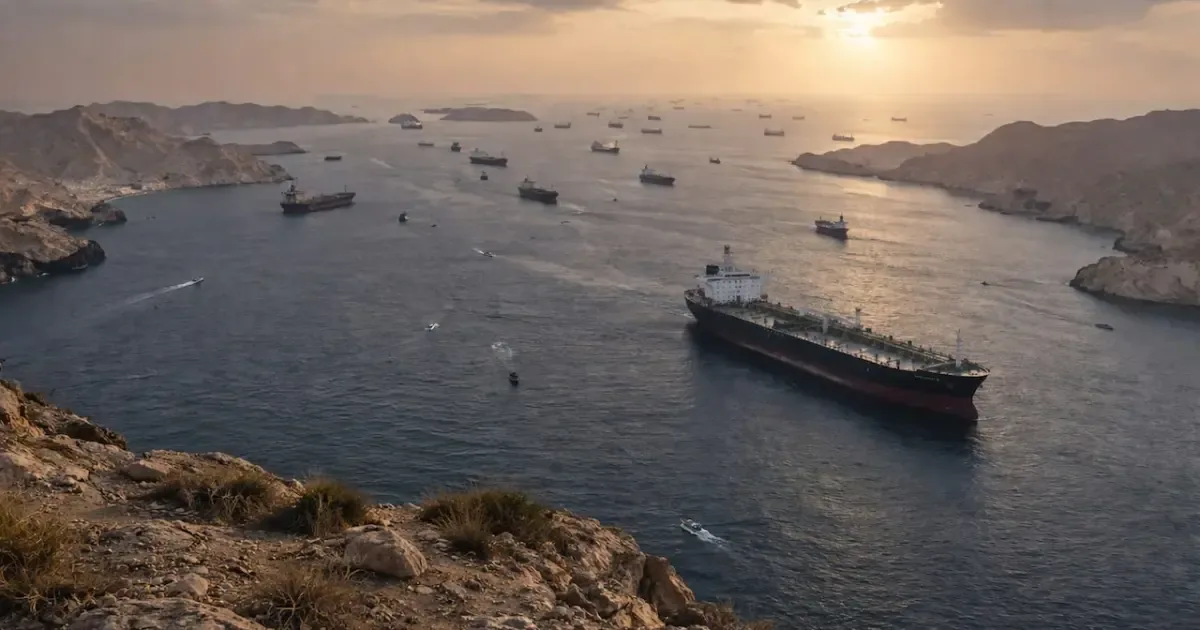
The Strait of Hormuz is a critical global waterway, connecting the Persian Gulf to the Gulf of Oman and the open ocean. Approximately 20 percent of the world’s oil passes through this narrow chokepoint, making it a vital artery for global energy supply.
Major oil-exporting countries in the region, including Saudi Arabia, Iraq, Iran, Kuwait, and the United Arab Emirates, rely on the Strait for their crude oil exports. Its closure significantly constrained world supply, contributing to higher prices during the conflict.
Energy experts use the term ‘chokepoint’ to describe narrow sea lanes vulnerable to disruption. While other chokepoints exist, the Strait of Hormuz handles the largest volume of oil, underscoring its immense strategic importance.
The Iran war led to the Strait’s closure, disrupting shipping lanes and making passage unsafe. This resulted in reduced oil supply and elevated prices. The reopening reverses this situation.
The reopening means the Strait will once again serve as a free passage for oil tankers. The supply previously held back can now flow to global markets, creating the anticipated wave of new supply that is impacting prices.
While a significant amount of liquefied natural gas from Qatar also passes through the Strait, the primary focus of the current market impact is on oil.
The Strait’s location bordering Iran, Oman, and the United Arab Emirates makes it geopolitically sensitive. The recent ceasefire offers a positive development for regional stability and could potentially lead to broader diplomatic progress.
Future Outlook and Potential Risks
The outlook for oil prices hinges on the Strait of Hormuz reopening proceeding as planned. If the Strait opens on schedule, prices could fall further, with some analysts predicting levels not seen in years. Few anticipate price increases in the near term.
A major risk is the potential unraveling of the ceasefire. If the agreement falters, the Strait could be reclosed, sending prices soaring again. This is the most significant downside risk to the current outlook.
Logistical challenges during the reopening process also pose a risk. The Strait may require clearing of mines or other hazards, and shipping channels may need to be prepared. Any delays in the first tanker passage would keep supply off the market and support prices.
OPEC’s response is another key factor. Facing falling prices, the Organization of the Petroleum Exporting Countries might call an emergency meeting to discuss production cuts. The effectiveness of such cuts would depend on their size and compliance from member nations.
Oil-importing countries stand to benefit from lower prices, potentially boosting their economies and aiding central banks in combating inflation. This positive spillover effect offers an upside to the current bearish oil narrative.
Geopolitically, the reopening is a positive step for regional stability, reducing a major flashpoint and the risk of wider conflict. While underlying tensions remain, the immediate crisis appears to be over.
The market’s sentiment was captured by EnergyNow.com’s headline: ‘Oil Falls to Lowest Since Start of Iran War After Ceasefire Deal Signed.’ This succinctly describes the cycle of prices rising with the war and falling with its end and the Strait’s reopening.
The coming days will be critical, with traders closely watching actual tanker movements, statements from OPEC, and any signs of ceasefire instability. Volatility is expected to remain high until the new supply flow becomes routine.
For now, the message is clear: the Strait of Hormuz is open, oil supply is increasing, and prices are heading lower. The primary question is the extent of the price decline.
Frequently Asked Questions
Why are oil prices falling?
Oil prices are falling because a ceasefire has been reached, leading to the expected reopening of the Strait of Hormuz. This reopening will allow millions of barrels of crude oil to enter the global market, increasing supply and driving down prices.
What is the Strait of Hormuz and why is it important?
The Strait of Hormuz is a narrow waterway connecting the Persian Gulf to the open ocean. It is critically important as approximately 20 percent of the world's oil passes through it daily, making it a vital chokepoint for global energy supply.
When is the Strait of Hormuz expected to reopen?
Reports suggest the Strait of Hormuz is expected to reopen as soon as Friday, following the ceasefire agreement. However, an official timeline has not yet been confirmed.
What was the impact of the Strait of Hormuz closure on oil prices?
The closure of the Strait of Hormuz due to conflict constrained oil supply, which helped to keep oil prices elevated. Its reopening removes this constraint and is expected to lead to lower prices.
How are traders reacting to the news?
Traders are reacting by adjusting their positions in the oil market. Many are selling off oil futures, anticipating further price drops due to the increased supply. Trading volumes have increased significantly.
What are the potential risks to oil prices remaining low?
Key risks include the potential for the ceasefire to break down, which could lead to the Strait being closed again and prices soaring. Logistical issues with the reopening or production decisions by OPEC could also influence future prices.
Who benefits from lower oil prices?
Net oil-importing countries, such as many in Asia and Europe, stand to benefit from lower oil prices as their energy import costs decrease. Consumers and businesses also benefit from lower fuel costs.
References
- Hormuz Reopening To Release Wave Of Oil Supply, Depress Prices – Original report (NDTV World)
- Hormuz Reopening To Release Wave Of Oil Supply, Depress Prices – NDTV – Reported the reopening of the Strait of Hormuz and its expected downward pressure on oil prices.
- Hormuz reopening to release wave of oil supply, depress prices – TradingView – Provided market analysis on the reopening's impact on oil supply and prices.
- News::Hormuz reopening to release wave of oil supply, depress prices – NET25 – Covered the story of the Strait of Hormuz reopening and its effect on oil markets.
- Hormuz reopening to release wave of oil supply, depress prices – Internazionale – Reported the same development, likely adding international perspective.
- Oil Falls to Lowest Since Start of Iran War After Ceasefire Deal Signed – EnergyNow.com – Highlighted the oil price drop to a record low following the ceasefire deal.