At a Glance
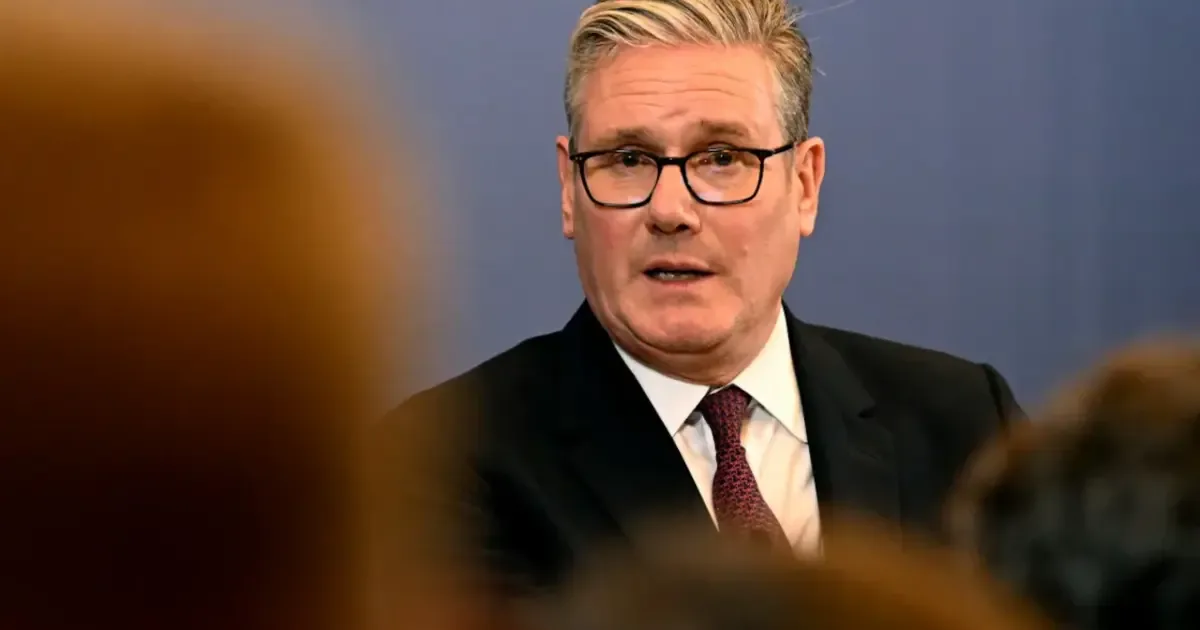
Labour MPs are now openly calling for Keir Starmer to resign as UK Prime Minister. The pressure has been building for weeks. But a recent by-election win by a potential rival has turned whispers into loud demands.
Key Takeaways
The main points at a glance
- What Happened: The Latest Calls for Starmer's Resignation
- Starmer's Response: 'I'm Not Going Anywhere'
- The Burnham Factor: How a By-Election Win Fueled the Fire
- Inside Labour: Growing Rebellion Among MPs
- What Comes Next: Possible Scenarios for Starmer and the Party
Labour MPs are now openly calling for Keir Starmer to resign as UK Prime Minister. The pressure has been building for weeks. But a recent by-election win by a potential rival has turned whispers into loud demands.
Starmer has publicly vowed to stay in office. He says he is not going anywhere. But more and more of his own party colleagues are concluding that his time is up.
The situation is fluid and fast-moving. Multiple news organizations, including the BBC, The New York Times, and Al Jazeera, are reporting on the growing rebellion. The story is still developing.
What Happened: The Latest Calls for Starmer’s Resignation
The latest wave of pressure started after Andy Burnham won a key by-election. Burnham is the Mayor of Greater Manchester. He is a well-known figure in the Labour Party. Many see him as a potential replacement for Starmer.
The by-election result was a clear victory for Burnham. It gave his supporters a boost. And it made many Labour MPs question whether Starmer can lead the party to future victories.
According to reports from the BBC, Starmer is now “considering his political future” as the pressure to quit mounts. The New York Times says Starmer is reflecting on “political challenges” publicly. But behind closed doors, the mood is more urgent.
Several Labour MPs have reportedly told party leaders that Starmer should step down. They argue that he has lost the confidence of the public and the party. Some have gone public with their views. Others are speaking anonymously to the press.
The exact number of MPs calling for resignation is not clear. But the trend is unmistakable. More voices are joining the chorus every day.
ABC News and PBS both describe Starmer as being “on the precipice.” That is a strong word. It means he is on the edge of something big. In this case, it could mean the end of his leadership.
Starmer’s Response: ‘I’m Not Going Anywhere’
Starmer has not backed down. He has made it clear that he intends to stay as Prime Minister. In public statements, he has vowed to continue leading the country and the party.
His office has released statements saying he is focused on governing. They point to his agenda on the economy, health care, and climate change. They argue that the party needs stability, not a leadership change.
But critics say Starmer is out of touch. They say he does not understand how deep the discontent runs. They point to poor polling numbers and lost elections as evidence that he cannot win.
Starmer’s allies say the calls for resignation are coming from a small group of disgruntled MPs. They claim the majority of the party still supports him. But the number of public and private calls suggests otherwise.
The Prime Minister has not called a vote of confidence in his leadership. That would be a formal way to test his support. He may be hoping the storm will pass. But so far, it is only getting stronger.
The Burnham Factor: How a By-Election Win Fueled the Fire
Andy Burnham’s by-election victory is a key trigger for the current crisis. Burnham won a seat in Parliament with a strong majority. The result was seen as a personal triumph for him.
Burnham has been a vocal critic of Starmer’s leadership style. He has argued that the party needs a clearer vision and stronger direction. His win gave him a platform to push that message further.
Many Labour MPs see Burnham as a viable alternative to Starmer. They believe he can appeal to voters that Starmer has lost. The by-election result seemed to prove that point.
Al Jazeera directly connected Burnham’s win to the growing pressure on Starmer. The headline read: “Pressure mounts on UK PM Starmer to quit after Burnham’s by-election win.” That sums up the situation neatly.
Burnham himself has not called for Starmer to resign. But he has not ruled out a leadership bid either. He says he is focused on his new role as an MP. But his actions speak louder than words.
The by-election also highlighted deeper problems for Starmer. Labour lost votes in areas it once held easily. Voters told reporters they were unhappy with the party’s direction. They said they wanted a change.
Inside Labour: Growing Rebellion Among MPs
The rebellion inside the Labour Party is not new. It has been simmering for months. But it has now boiled over into open dissent.
MPs have several complaints about Starmer. Some say his leadership style is too top-down. They feel he does not listen to the party or the public. Others say his policy decisions are too cautious. They want bolder action on issues like housing, wages, and public services.
There is also a sense that Starmer has lost touch with the party’s grassroots. Many local party members are unhappy. They say the leadership has ignored their concerns. This has led to a drop in volunteer activity and donations.
The rebellion is not limited to one wing of the party. Both moderate and left-wing MPs are expressing doubts. That is a dangerous sign for any leader. It means the opposition is broad and deep.
Some MPs have started organizing behind the scenes. They are discussing how to force a leadership change. The exact mechanisms are not yet clear. But the conversations are happening.
One option is a vote of no confidence in Starmer as party leader. That would require a certain number of MPs to submit letters to the party’s governing body. If enough letters come in, a vote is triggered.
Another option is for Starmer to resign voluntarily. That would avoid a messy public fight. But so far, Starmer shows no signs of stepping down.
The situation is complicated by the fact that Starmer is also the Prime Minister. Removing a sitting PM is a big deal. It would create uncertainty in the government. It could also trigger a general election.
What Comes Next: Possible Scenarios for Starmer and the Party
There are several possible paths forward. Each one carries risks and opportunities for the Labour Party.
Scenario 1: Starmer stays and fights. This is what Starmer is currently doing. He is trying to ride out the storm. He hopes the rebellion will fade. But that seems unlikely given the momentum of the calls for resignation.
Scenario 2: Starmer faces a confidence vote. If enough MPs submit letters, a vote of no confidence will be held. If Starmer loses that vote, he would have to step down as party leader. A new leadership election would follow.
Scenario 3: Starmer resigns voluntarily. He could decide that the pressure is too great. He might step down to avoid a damaging public battle. This would allow the party to choose a new leader in an orderly way.
Scenario 4: The party splits. If the rebellion continues, the Labour Party could fracture. Some MPs might leave to form a new party. That would be a worst-case scenario for Labour. It would likely hand victory to the Conservatives in the next election.
Public opinion polling will play a big role in what happens next. If Starmer’s approval ratings continue to fall, more MPs will likely call for his head. If they stabilize, he might survive.
Recent polls show Labour trailing the Conservatives in some key areas. That is a worrying sign for any opposition leader. But polls can change quickly. A strong performance in Parliament or a major policy win could shift the narrative.
Key Voices: What Colleagues and Critics Are Saying
Several prominent figures have weighed in on the crisis. Their comments give a sense of the range of opinions inside the party.
One Labour MP who spoke to the BBC on condition of anonymity said: “The party is not united. There is a lot of anger. People feel let down by the leadership.”
Another MP told The New York Times: “Starmer has to go. He cannot win the next election. We need a fresh start.”
But not everyone agrees. Some MPs have publicly defended Starmer. One senior Labour figure said: “Keir is a good man. He has a tough job. We should give him time.”
Andy Burnham has been careful in his public statements. He told reporters after his by-election win: “I am focused on serving my constituents. I am not interested in leadership speculation.” But many read between the lines.
Political commentators are divided. Some say Starmer is finished. Others say he can still turn things around. The next few weeks will be critical.
The Conservative Party is watching the situation closely. They see an opportunity to exploit Labour’s internal divisions. They have already started attacking Starmer in Parliament, calling him weak and ineffective.
The public is also paying attention. Voters are tired of political drama. They want leaders who can deliver results. The crisis is not good for trust in politics.
For now, the situation remains uncertain. Starmer is digging in. His critics are growing louder. The Labour Party is facing one of its biggest tests in years.
The world is watching. What happens next will shape the future of British politics. It could determine who leads the country into the next general election.
This is a breaking story. More updates are expected in the coming hours and days. We will continue to follow the developments and bring you the latest information.
If you have questions about this story or want to share your thoughts, feel free to reach out. We value your feedback.
Frequently Asked Questions
Why are Labour MPs calling for Keir Starmer to resign?
Calls for Keir Starmer's resignation have intensified recently. This is largely due to a key by-election win by a potential rival, Andy Burnham. Many MPs now question Starmer's ability to lead the party to future victories.
What was the significance of Andy Burnham's by-election win?
Andy Burnham, the Mayor of Greater Manchester, won a key by-election with a strong majority. This victory boosted his supporters and made many Labour MPs question Keir Starmer's leadership. It highlighted Starmer's struggles in areas Labour traditionally holds.
How has Keir Starmer responded to the pressure?
Keir Starmer has publicly stated that he is not going anywhere and intends to stay as Prime Minister. His office has released statements emphasizing his focus on governing and the need for stability, arguing against a leadership change.
References
- Pressure Builds On Keir Starmer To Resign As UK Prime Minister – Original report (NDTV World)
- Pressure mounts on UK PM Starmer to quit after Burnham’s by-election win – Al Jazeera – Connects the by-election win by Andy Burnham to the growing pressure on Starmer to resign.
- Starmer is on the precipice as pressure builds for the UK leader to resign – ABC News – Breaking News, Latest News and Videos – Portrays Starmer as being on the edge, with pressure intensifying for him to resign.
- Starmer considers political future as pressure to quit mounts – BBC – Indicates Starmer is actively reflecting on his political future amid the resignation calls.
- Keir Starmer Reflects on ‘Political Challenges’ as Pressure to Resign Mounts – The New York Times – Reports Starmer is publicly acknowledging 'political challenges' as the resignation pressure grows.
- Starmer is on the precipice as pressure builds for the UK leader to resign – PBS – Repeats the same 'precipice' framing as ABC News, emphasizing the crisis moment for Starmer.