
At a Glance
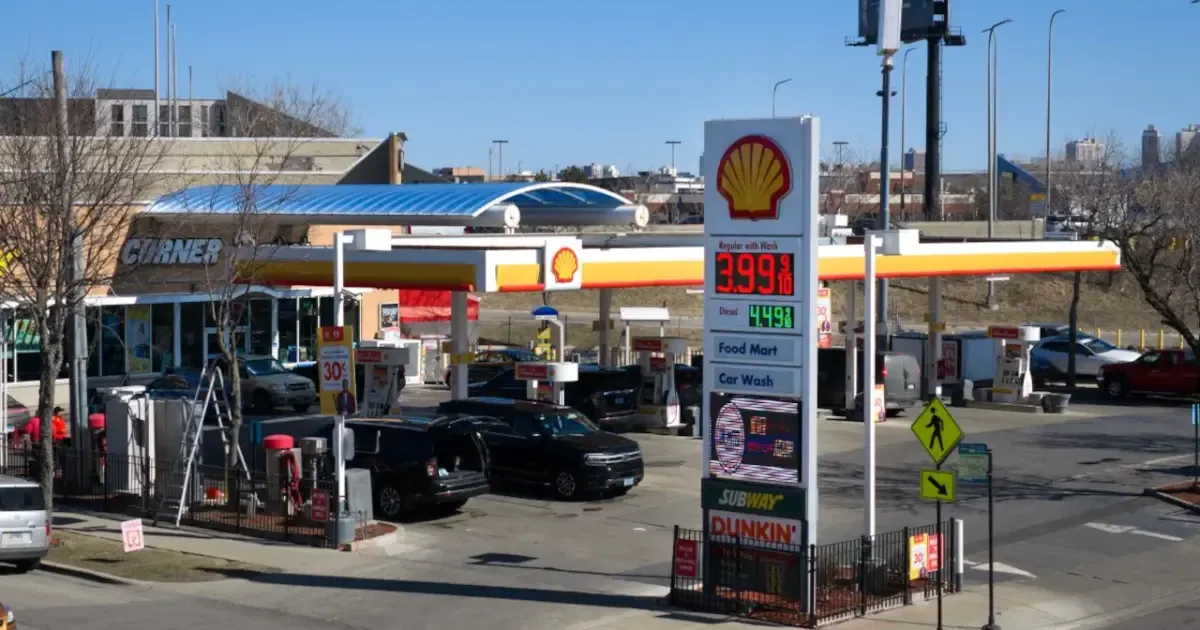
US gas prices have fallen below $4 per gallon for the first time since March, reaching a national average of $3.99. This decrease is largely attributed to a new agreement with Iran that is easing tensions and increasing global oil supplies. Despite this relief, prices remain 25% higher than last year, though they have fallen from their recent peak.
Key Takeaways
The main points at a glance
- The average US gas price dropped below $4 per gallon for the first time since March, hitting $3.99.
- This price decrease is primarily linked to a new agreement with Iran that allows more of its oil onto the global market.
- Despite the drop, current gas prices are still 25% higher than they were a year ago.
- Lower gas prices provide economic relief to consumers, acting like a tax cut and boosting confidence.
- Regional price differences persist, with some areas seeing much lower prices than others.
- The future price trend is uncertain, influenced by summer demand, hurricane season, and geopolitical stability.
For the first time since March, the average price of a gallon of gas in the US has fallen below $4, offering a glimmer of relief to drivers who have been squeezed by high costs for months. On Thursday, the national average slipped to $3.99, according to multiple news reports. The drop comes as a new agreement with Iran begins to ease tensions in the Middle East and boost global oil supplies. The $4 mark had been a stubborn ceiling since early March, when the war with Iran sent energy prices soaring. Drivers across the country have been paying well above $4 per gallon for nearly four months. Now, that number is finally starting to come down.
The $4 Threshold: A Psychological Barrier Broken
The $4 level is more than just a number; it is a psychological barrier for many Americans. When gas prices cross above $4, people notice. They change their driving habits and worry about their budgets. Crossing back below $4 sends the opposite signal, suggesting that the worst of the price spike may be behind us.
Thursday’s average of $3.99 was the first time since March 1 that the national average has been under $4, a stretch of more than 120 days. Prices had risen sharply after the conflict with Iran disrupted oil shipments from the region, creating market uncertainty and passing higher costs to consumers. Now, with a diplomatic deal in place, some of that uncertainty is fading.
News outlets across the country reported the drop, with publications like the Traverse City Record-Eagle in Michigan, the News-Herald in Ohio, and News4JAX in Florida all carrying the same story: US gas prices are finally falling below $4.
How the Iran Deal Influences US Gas Prices
The Iran deal is the main reason analysts point to for the recent price drop. The agreement, which took effect this week, includes provisions that allow more Iranian oil to enter the global market. Iran is one of the world’s largest oil producers, and during the war, many countries stopped buying its crude due to sanctions and security risks, which reduced global supply and drove prices up.
The new deal lifts some of those restrictions, allowing Iran to export more oil in exchange for limits on its nuclear program. More oil on the market means lower prices at the pump. While the exact details are complex, the basic economic principle is simple: when supply increases, prices tend to decrease.
Oil markets reacted quickly. In the days after the deal was announced, the price of crude oil fell by several dollars per barrel, a drop that is now reflected at gas stations across the United States. While other factors like refinery capacity, seasonal demand, and the US dollar also affect gas prices, the Iran deal is the most significant recent change.
US Gas Prices Still Higher Than Last Year
While the drop below $4 is welcome news, gas prices remain significantly higher than they were a year ago. According to data from multiple news reports, Thursday’s average price was 25% higher than the same day in 2023, when the national average was around $3.19 per gallon. This means drivers are paying about 80 cents more per gallon than last summer.
For a family filling up a 15-gallon tank once a week, this adds up to an extra $12 per week, or over $600 per year. The 25% increase is substantial and has contributed to persistently high inflation, as gas prices impact the cost of nearly everything else, from groceries to airfare.
Despite this, the trend is moving in the right direction. From a peak of nearly $5 per gallon in May, prices have fallen by about 20 cents per gallon in the past month. If this decline continues, the year-over-year gap will shrink, but for now, drivers are paying considerably more than they were last summer.
Consumer Relief and Regional Differences
Every penny saved on gasoline can make a difference for American households. Lower gas prices act like a tax cut, putting more money back into people’s pockets, which can then be spent on other necessities, savings, or emergencies. This impact is particularly strong for low-income families who spend a larger portion of their income on transportation.
Consumer confidence also tends to rise with falling gas prices, leading to less financial anxiety and increased spending on leisure activities like road trips or dining out. Gas station owners are reporting more customers filling their tanks completely, rather than just putting in small amounts.
However, the relief is not uniform across the country. Significant regional variations exist, with some areas seeing prices below $3.50 per gallon while others, especially on the West Coast, still face prices above $4.50. The national average can mask these local differences, with a driver in Texas paying $3.60 while one in California pays $4.80.
Outlook for Gas Prices This Summer
The key question is how long US gas prices will stay below $4. Summer is typically a period of high demand for gasoline due to vacations and increased travel, which usually pushes prices up. However, the Iran deal could help stabilize prices if it leads to ample global oil supplies, potentially offsetting the usual summer demand increase.
Other factors to consider include hurricane season, which can disrupt refinery operations and cause price spikes, and the volatile geopolitical situation in the Middle East. Any new conflict could quickly send prices back above $4. Given these uncertainties, analysts advise caution against premature celebration, as the current price drop is not a guarantee of lasting relief.
For now, drivers can appreciate the lower prices, with the average below $4 for the first time in months. Whether prices remain at this level depends on unpredictable global events. As one driver in Ohio told a local news station, “I can finally fill up my tank without wincing. That’s a nice change.” The Iran deal has demonstrably impacted the oil market, bringing prices down and offering consumers a break, illustrating how diplomacy can influence global markets.
However, the costs associated with the conflict with Iran are not forgotten, and prices remain well above pre-conflict levels as the global economy adjusts. For many families, the drop below $4 represents a small but significant victory, a sign of gradual improvement in their financial situations.
The average price of a gallon of gas in the US is now under $4, a headline reflecting a complex story of supply and demand, international relations, and the daily financial challenges faced by consumers.
Frequently Asked Questions
Why have US gas prices dropped below $4?
US gas prices have fallen below $4 per gallon primarily because a new agreement with Iran is increasing global oil supplies. This deal eases tensions and allows more Iranian oil to enter the market, leading to lower crude oil prices which then translate to cheaper gasoline at the pump.
How does the Iran deal affect gas prices?
The Iran deal allows Iran, a major oil producer, to export more oil. Previously, sanctions and security concerns limited its exports, reducing global supply and driving up prices. With the new agreement, increased supply helps to lower prices for consumers worldwide.
Are gas prices lower now compared to last year?
No, while gas prices have dropped below $4, they are still significantly higher than last year. The national average is currently about 25% higher than it was at this time in 2023, meaning drivers are paying considerably more per gallon.
What does the $4 per gallon mark mean for consumers?
The $4 per gallon threshold is a psychological barrier for many consumers. When prices are above $4, people tend to change their spending habits and worry about their budgets. Falling below this mark offers a sense of relief and suggests that the worst of the price increases may be over.
Will gas prices stay below $4 for the rest of the summer?
It is uncertain whether gas prices will remain below $4 for the rest of the summer. Factors like increased summer driving demand, potential hurricane disruptions to refineries, and ongoing geopolitical events could cause prices to fluctuate.
Are gas prices the same everywhere in the US?
No, gas prices vary significantly across the United States. While the national average has fallen below $4, some regions, particularly on the West Coast, still have prices above $4.50, while other areas may be well below $3.50.
References
- As Iran Deal Kicks In, US Gas Prices Dip Below $4 For 1st Time Since March – Original report (NDTV World)
- As Iran Deal Kicks In, US Gas Prices Dip Below $4 For 1st Time Since March – NDTV – NDTV
- US gas prices dip below $4 for 1st time since March but remain 25% higher than last year – Traverse City Record-Eagle – Confirmed the price drop and the 25% higher comparison.
- US gas prices fall below $4 for 1st time since March, but still 25% higher than last year – News-Herald – Reinforced the same facts with a slightly different headline.
- US gas prices below $4 for 1st time since March, but remain 25% higher than last year – News4JAX – Provided additional regional coverage of the national price drop.
- US gas prices fall below $4 for 1st time since March, but still 25% higher than last year – Traverse City Record-Eagle – Duplicate source from the same publisher, confirming the story's widespread pickup.