
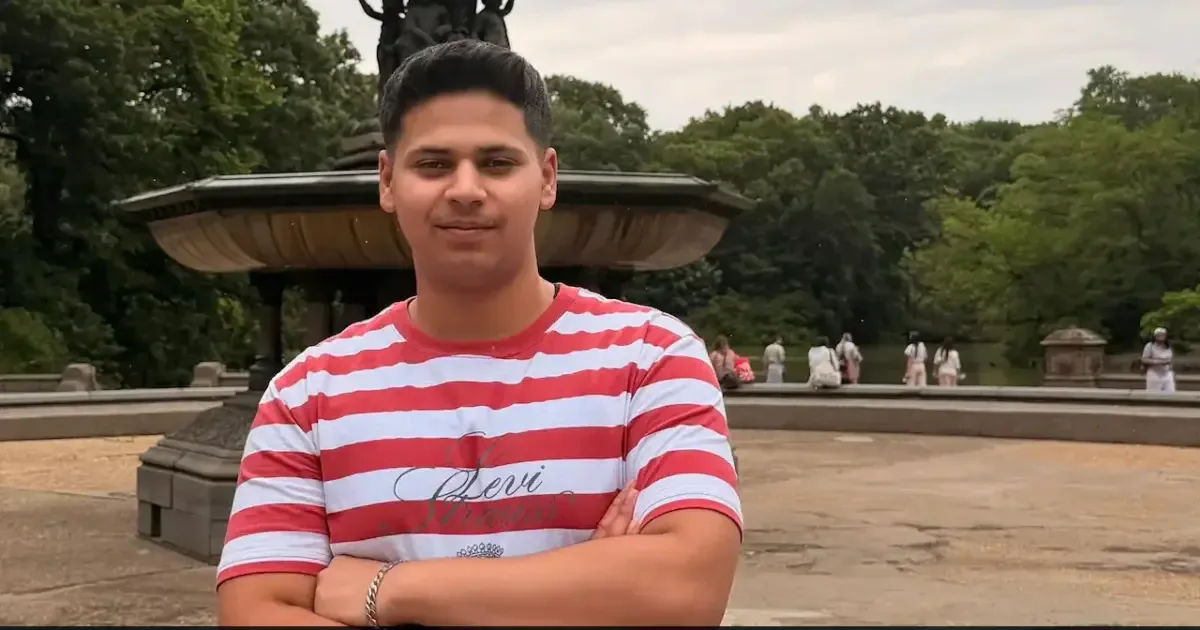
At a Glance
A 17-year-old Indian tourist named Romanch Mahajan died in Central Park on a recent evening after a horse-drawn carriage horse got startled and bolted, causing a fatal accident. The tragedy has sparked new calls from New York City Council Member Zohran Mamdani to ban horse…
Key Takeaways
The main points at a glance
- Teen's Fatal Accident in Central Park
- Who Was Romanch Mahajan?
- Zohran Mamdani's Call for a Ban
- Other Leaders Join the Push
- The Long Debate Over Horse Carriages
Teen’s Fatal Accident in Central Park
A 17-year-old Indian tourist named Romanch Mahajan died in Central Park on a recent evening after a horse-drawn carriage horse got startled and bolted, causing a fatal accident. The tragedy has sparked new calls from New York City Council Member Zohran Mamdani to ban horse carriages in the city for good.
According to multiple news reports, the teenager was visiting New York with his family when the incident happened. The horse, which was pulling a carriage full of passengers, suddenly became frightened and ran off the path. The exact details of what spooked the animal are still unclear, but the result was deadly.
Romanch Mahajan was pronounced dead at the scene. The carriage driver was not charged, according to early reports, but the accident has brought the long-running debate over the safety and ethics of horse-drawn carriages back into the spotlight.
Police and animal control officers are investigating the incident. The horse involved in the accident was reportedly unharmed, but the tragedy has left the Mahajan family and the broader Indian community in New York and abroad in shock.
Who Was Romanch Mahajan?
Romanch Mahajan was a 17-year-old from India who was on a family vacation in New York City. He was visiting Central Park, one of the city’s most famous landmarks, when the accident happened. His death has been widely reported in Indian media, including NDTV and The Times of India, as well as in American outlets like the New York Post and ABC News.
Friends and relatives describe him as a bright and curious young man who was excited to see the city. His family has not made any public statements yet, but the Indian consulate in New York is in touch with them, offering support and assistance.
The news of his death has hit the Indian community in New York particularly hard. Many Indian families visit Central Park specifically to take carriage rides, which are a popular tourist attraction. The tragedy has raised questions about whether these rides are safe for visitors and for the horses that pull them.
Zohran Mamdani’s Call for a Ban
Zohran Mamdani, a New York City Council member who represents parts of Queens, has been a vocal critic of the horse carriage industry for years. He has called for a ban on the practice multiple times before, but this time he says the tragedy has given his push new urgency.
Mamdani said in a statement that he is “heartbroken” by the death of Romanch Mahajan. He called the accident “a preventable tragedy” and said the city must act now to end the horse carriage industry. He promised to work with all sides to protect the workers who drive the carriages while also phasing out the industry over time.
“We cannot wait for another tragedy to happen,” Mamdani said. “This is a moment for the city to show leadership and do what is right.”
Some news outlets, including NDTW and The Times of India, have incorrectly referred to Mamdani as the “New York mayor.” His official position is New York City Council member. He is not the mayor. But his voice carries weight in city politics, and his call for a ban is likely to get attention.
Mamdani has a history of pushing for animal welfare and labor rights. He has been a leading voice in the fight to end horse carriages, which he says are cruel to the animals and dangerous for the public.
Other Leaders Join the Push
Mamdani is not alone in his call to ban horse carriages. Other city leaders have also joined the push, including several members of the City Council and at least one public advocate. They say the death of Romanch Mahajan is a wake-up call that the city can no longer ignore.
Some of these leaders have pointed to the long history of accidents involving carriage horses in New York. They say the animals are often overworked, forced to pull heavy loads in hot weather, and are easily spooked by traffic noise and crowds.
Animal welfare groups have also praised the renewed push for a ban. They argue that the horses are not fit for city streets, which are full of cars, buses, and loud noises. They say the carriage industry is a relic of a different time and has no place in modern New York.
But the industry has its defenders, too. Some workers who drive the carriages say they are being unfairly blamed for an accident that was not their fault. They say the horses are well cared for and that the industry provides a living for many immigrant families.
The Long Debate Over Horse Carriages
The debate over horse carriages in New York is not new. It has been going on for decades. Animal welfare advocates have been pushing for a ban since at least the 1990s, when a series of accidents and incidents involving carriage horses made headlines.
There have been several attempts to ban the industry in the past. One of the most recent was under former Mayor Bill de Blasio, who made a promise to end horse carriages during his 2013 campaign. But that effort failed after a long legal and political battle.
De Blasio’s plan was to limit the carriages to Central Park and eventually phase them out. But the carriage industry fought back in court, arguing that the city could not just shut down their businesses. The case dragged on for years, and the carriages stayed.
Now, the death of Romanch Mahajan has given the issue new life. Mamdani says he is confident that this time, the city can finally get the job done. He has pointed to public opinion polls that show most New Yorkers support a ban on horse carriages.
But the industry is still strong. There are about 200 horses and 300 drivers working in the carriage trade in New York. Most of them are immigrants from countries like Ireland, India, and Pakistan. They say the job is one of the few that pays well and does not require a lot of English or a college degree.
What Happens Next? Possible Legislation and Opposition
Mamdani has not yet introduced a formal bill to ban horse carriages. But he says he plans to do so soon. He is working with other council members to draft legislation that would phase out the industry over a period of several years.
The bill would likely include a transition plan for the workers who drive the carriages. They would be offered training for other jobs, such as driving taxis or working in the tourism industry. The bill would also include a plan for the horses, which would be sent to sanctuaries or farms outside the city.
But the bill is expected to face strong opposition from the carriage industry and its supporters. The industry has a powerful lobby in New York, and it has beaten back previous attempts to ban it. Some workers have already said they will fight any new law.
The industry’s main argument is that the carriages are a beloved part of New York’s tourism industry. They say tourists come from all over the world to ride in the carriages, and that banning them would hurt the city’s economy. They also say that the horses are treated well and that the industry is regulated by the city.
Mamdani says he is not worried about the opposition. He says the public is on his side, and that the death of a young tourist has changed the conversation. He says the city cannot afford to wait any longer.
Industry Workers and Transition Plans
One of the biggest challenges in ending the horse carriage industry is what to do with the workers. Most of the drivers are immigrants who rely on the job to support their families. They say they have no other skills and would struggle to find new work.
Mamdani says he understands their concerns. He has promised to include a transition plan in any legislation he introduces. The plan would offer the drivers training for other jobs, such as working in the city’s taxi or ride-share industry. It would also offer them financial help to cover the time they spend out of work.
But some drivers are skeptical. They say they have heard promises before, and that the city has not always kept its word. They say they are worried about being left with nothing if the industry is shut down.
“We are not the bad guys,” one driver told a reporter. “We are just trying to make a living. We love our horses. We take good care of them. This accident was a tragedy, but it was not our fault.”
The drivers point out that the carriage industry has been around for more than 100 years. They say it is a part of New York’s history and culture. They say they want to keep working, and they hope the city will listen to them.
Mamdani says he is listening. But he says the industry cannot continue. He says the death of a young man is proof that the carriages are not safe, and that the city must act now to protect both people and animals.
The debate over the future of horse carriages in New York is far from over. But the death of Romanch Mahajan has made it more urgent than ever. The city is now facing a decision: keep the carriages or end them for good.
Frequently Asked Questions
What happened to Romanch Mahajan?
Romanch Mahajan, a 17-year-old Indian tourist, died in Central Park after a horse pulling a carriage became startled and bolted. The horse ran off the path, causing a fatal accident while carrying passengers.
Why is Zohran Mamdani calling to ban horse carriages?
Zohran Mamdani, a New York City Council member, is calling for a ban on horse carriages following the tragic death of Romanch Mahajan. He believes the accident was preventable and that the city must act to end the industry.
Who was Romanch Mahajan?
Romanch Mahajan was a 17-year-old student from India who was visiting New York City with his family. He was in Central Park when the fatal carriage accident occurred.
What is Zohran Mamdani's official position?
Zohran Mamdani is a New York City Council member representing parts of Queens. He is not the mayor, as some news outlets have incorrectly reported.
Has there been a push to ban horse carriages before?
Yes, the debate over banning horse carriages in New York is not new and has been ongoing for decades. There have been previous attempts to ban the industry, including one under former Mayor Bill de Blasio, but they have failed.
What are the arguments against horse carriages?
Arguments against horse carriages include concerns about animal welfare, claiming horses are overworked and
References
- Zohran Mamdani Calls To Ban Horse Carriages In New York After Indian Teen's Death – Original report (NDTV World)
- Zohran Mamdani Calls To Ban Horse Carriages In New York After Indian Teen's Death – NDTV – NDTV
- Mamdani renews horse carriage ban push after Indian teen’s death at Central Park – Firstpost – Emphasized that Mamdani's push is a renewal of previous efforts, and focused on the Indian teen's death as the catalyst.
- New York mayor Zohran Mamdani pushes to end horse carriage industry after Indian teen Romanch Mahajan's d – The Times of India – Identified the victim as Romanch Mahajan and referred to Mamdani as 'New York mayor,' highlighting the Indian connection.
- New York mayor, other leaders push to end horse carriage industry after Indian teen's death – ABC News – Breaking News, Latest News and Videos – Reported that multiple leaders, not just Mamdani, are pushing to end the industry, broadening the political context.
- Teen tourist killed after NYC carriage horse gets startled, bolts in Central Park – New York Post – Provided details of the accident, describing how the horse got startled and bolted, leading to the teen's death.