At a Glance
Chandrima Bhattacharya has resigned as the Trinamool Congress (TMC) president for Bengal, adding to a growing wave of Trinamool Congress resignations that are destabilizing Mamata Banerjee’s party. Sources cite internal dissatisfaction and a feeling of being sidelined, while the BJP is actively recruiting disgruntled TMC leaders ahead of the 2026 state elections.
Key Takeaways
The main points at a glance
- Chandrima Bhattacharya has resigned from all her posts as TMC Bengal president, citing internal party issues.
- Her resignation is part of a larger trend of Trinamool Congress resignations, including other prominent leaders like Prakash Baraik and Manas Bhunia.
- Internal discontent, including feelings of power concentration with Mamata Banerjee and lack of growth opportunities, is a major factor driving these departures.
- The BJP is actively engaging with and potentially recruiting disgruntled TMC leaders as part of its strategy to gain ground in West Bengal.
- These Trinamool Congress resignations weaken the TMC’s organizational strength and public image ahead of crucial upcoming elections.
- The situation poses a significant challenge to Mamata Banerjee’s leadership and the TMC’s future prospects in the state.
Chandrima Bhattacharya Resigns as TMC Bengal President
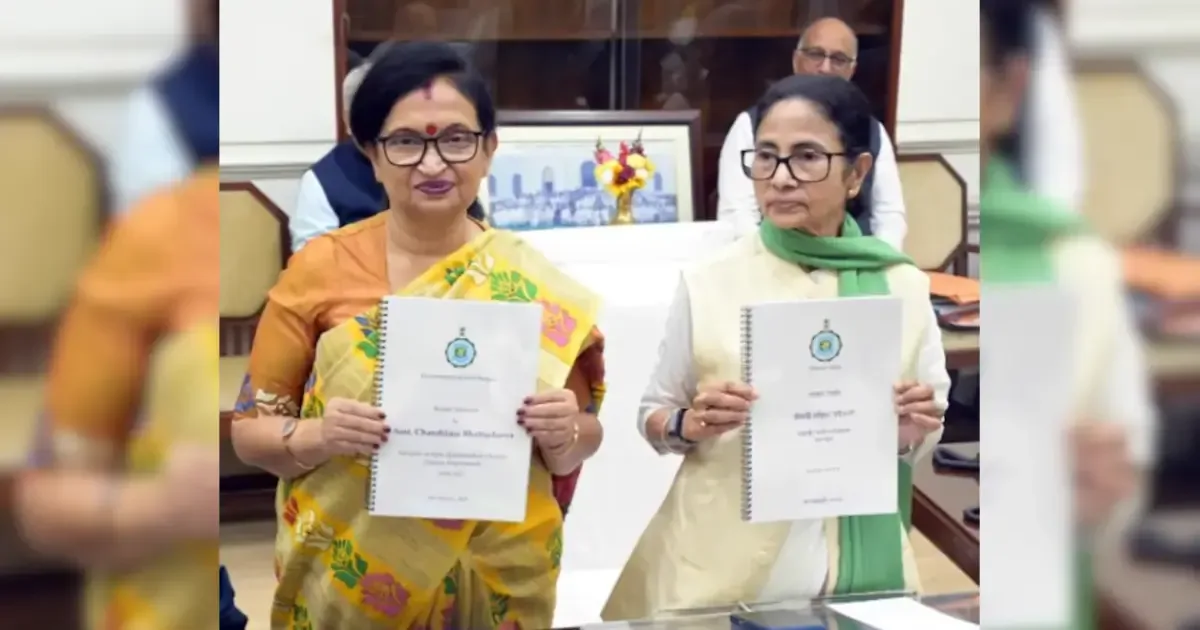
Chandrima Bhattacharya, a key leader in the Trinamool Congress (TMC) and its Bengal president, has resigned from all her party posts. She submitted her resignation letter to party chief Mamata Banerjee recently. While the letter did not specify a reason, sources within the TMC suggest Bhattacharya was unhappy with the party’s internal workings and felt excluded from significant decisions. Her departure creates a notable void in the party’s organizational structure, particularly with the next state assembly elections scheduled for 2026.
This resignation occurs at a challenging time for Mamata Banerjee, who is working to maintain party unity. In the past week, several prominent TMC leaders have stepped down or left the party entirely. Many of these departing members are reportedly in contact with the Bharatiya Janata Party (BJP), which is actively seeking to recruit disgruntled TMC figures.
A Growing List of Trinamool Congress Resignations
Bhattacharya’s exit is part of a larger trend of Trinamool Congress resignations. The number of leaders stepping down has been increasing, signaling internal turmoil within the party.
Key Departures and Speculation
Around the same time as Bhattacharya’s resignation, Prakash Baraik, a TMC Rajya Sabha MP, also resigned. Reports suggest Baraik’s departure was part of a planned series of exits. Business Today has indicated that at least three more TMC MPs are expected to resign soon, though their identities remain unconfirmed.
Former West Bengal minister Manas Bhunia has left the TMC altogether. Bhunia was a senior figure within the party and had held significant ministerial portfolios. His departure is considered a blow to the TMC’s support base in rural West Bengal.
MP Sudip Bandyopadhyay, a veteran TMC leader and close associate of Mamata Banerjee, recently met with BJP president Amit Shah in New Delhi. This meeting has fueled speculation that Bandyopadhyay might also leave the TMC. While Bandyopadhyay has not commented on the rumors, sources indicate he is dissatisfied with the party’s current direction.
Political analysts view these Trinamool Congress resignations as potentially coordinated. The rapid succession of departures suggests a strategic effort to create a sense of crisis within the TMC.
Reasons Behind the Exodus: Internal Issues and BJP’s Influence
The wave of Trinamool Congress resignations stems from a combination of internal party challenges and external overtures from the BJP.
Internal Discontent Within the TMC
Many TMC leaders reportedly feel that Mamata Banerjee has centralized power, leading to a lack of consultation with senior colleagues. This concentration of decision-making power has reportedly caused frustration among long-standing party members.
Chandrima Bhattacharya, known as a loyalist, was reportedly unhappy with the party’s management post the 2021 election results. She is said to have felt that the state unit was being overlooked in favor of decisions made directly from the chief minister’s office.
Other leaders, such as Sushmita Dev and Prakash Baraik, are believed to be dissatisfied with limited career advancement opportunities within the TMC. They perceive the party as dominated by a single leader, hindering their own professional growth.
The BJP’s Strategy and Recruitment Efforts
Simultaneously, the BJP has been actively engaging with disgruntled TMC leaders. With the 2026 West Bengal assembly elections in focus, the BJP aims to expand its political presence in the state. Recruiting TMC members is seen as an efficient method to achieve this.
Reports indicate that BJP leaders have held numerous meetings with TMC members expressing dissatisfaction. The meeting between Amit Shah and Sudip Bandyopadhyay exemplifies this outreach. The BJP reportedly offers these leaders greater roles in national politics and assurances of support.
Some leaders may also be seeking to secure their political futures amid concerns about the BJP’s growing strength in West Bengal. The party’s performance in the 2019 Lok Sabha elections has reportedly made some TMC members anxious about their prospects in future elections.
Political observers suggest that these Trinamool Congress resignations are not isolated incidents but part of a larger strategy by the BJP to weaken the TMC before the 2026 polls. Each departure diminishes the party’s organizational capacity and suggests a weakening of Mamata Banerjee’s leadership.
Impact on Mamata Banerjee and the TMC’s Future
The immediate consequence of these Trinamool Congress resignations is a loss of key personnel, impacting the TMC’s campaign capabilities and grassroots organization.
Organizational Challenges and Leadership Questions
Chandrima Bhattacharya’s resignation as Bengal party president represents a significant organizational setback. Her role involved coordinating state-wide party activities, and finding a suitable replacement will be challenging. Mamata Banerjee needs to appoint a leader capable of unifying the party and stemming further exits.
Potential successors could include veteran loyalists, but any new appointee will face the task of leading a demoralized party.
These departures also affect the TMC’s public image. Once perceived as a unified force against the BJP, the party now appears to be experiencing internal strife. This perception could undermine public confidence.
For Mamata Banerjee, these exits are a personal challenge, potentially raising questions about her leadership style and her ability to retain party loyalty. Critics suggest her leadership has become too autocratic, alienating valuable members.
Electoral Implications and Potential Strategies
In the short term, the TMC may find it more difficult to mount a strong campaign for the 2026 assembly elections. The BJP is likely to leverage these defections to portray the TMC as unstable. The BJP also gains experienced politicians familiar with West Bengal’s political landscape.
However, the TMC is not without recourse. Mamata Banerjee retains a strong base of support among rural populations and minority communities. Furthermore, the BJP’s national agenda may not resonate universally in West Bengal, where regional sentiments are strong.
Banerjee could consider revitalizing the party by promoting younger leaders and empowering them with greater responsibilities. An attempt to reconcile with departed leaders, though seemingly difficult, might also be explored.
The coming months are critical for the TMC. The party must halt further Trinamool Congress resignations and demonstrate its continued electoral viability. If more leaders depart, Mamata Banerjee could face significant internal challenges to her leadership.
Future Outlook: Will More Trinamool Congress Resignations Occur?
Political analysts largely anticipate further Trinamool Congress resignations. Reports suggest that at least three more TMC MPs are considering leaving, likely Rajya Sabha members who feel marginalized within the party.
Potential Future Defections and BJP’s Gains
Sudip Bandyopadhyay’s meeting with Amit Shah has intensified speculation about his potential departure. If Bandyopadhyay, an influential leader with a significant base in North Bengal, were to join the BJP, it would represent a substantial blow to the TMC.
Other potential defectors include sitting MLAs and former ministers. The BJP’s financial resources and offers of prominent positions could be attractive. Additionally, some TMC leaders may be concerned about potential corruption investigations from the central government, with joining the BJP offering a form of protection.
TMC’s Response and BJP’s Strategic Advantage
The TMC leadership is reportedly aware of the ongoing threat. Mamata Banerjee has initiated damage control measures, including convening meetings with top party officials and contacting district-level workers to offer reassurance.
However, the impact of past Trinamool Congress resignations may already be significant, exposing internal divisions. Banerjee faces the challenge of rebuilding trust and preventing further exits.
For the BJP, this period presents a strategic opportunity to consolidate its position in West Bengal ahead of the 2026 elections by absorbing TMC leaders. The BJP’s strategy appears focused on weakening the TMC internally, forcing Mamata Banerjee into a defensive posture.
The timing of these resignations is also noteworthy, occurring less than a year before the 2024 Lok Sabha elections. A weakened TMC could translate into seat losses to the BJP in the national election, further impacting party morale.
Ultimately, the TMC’s future hinges on Mamata Banerjee’s response. Her political acumen has seen her navigate crises before, but the current challenge involves internal dissent. Whether she can halt the exodus and maintain TMC unity remains to be seen.
The political landscape in West Bengal is dynamic, with each Trinamool Congress resignation raising the stakes for both Mamata Banerjee and the BJP. The coming weeks will be critical in determining whether the TMC can withstand these pressures or if further fragmentation will occur.
Frequently Asked Questions
Why did Chandrima Bhattacharya resign from the TMC?
While Chandrima Bhattacharya did not state a specific reason in her resignation letter, sources within the Trinamool Congress suggest she was unhappy with the party's internal management and felt sidelined in key decision-making processes. Her departure is seen as a significant blow to the party's organization.
What is the significance of the recent Trinamool Congress resignations?
The recent wave of Trinamool Congress resignations, including that of Chandrima Bhattacharya, indicates internal turmoil and a potential weakening of Mamata Banerjee's leadership. These departures create organizational challenges and impact the party's image ahead of the 2026 state elections.
Is the BJP involved in the Trinamool Congress resignations?
Yes, political analysts suggest the BJP is actively involved. Many departing TMC leaders are reportedly in contact with the BJP, which is strategically seeking to recruit disgruntled members to strengthen its position in West Bengal for the upcoming elections.
What are the internal issues causing leaders to leave the TMC?
Internal issues cited include a perception that Mamata Banerjee has concentrated too much power, leading to a lack of consultation with senior colleagues. Some leaders also feel there are limited opportunities for career growth within the party, which they view as a one-person show.
How might these Trinamool Congress resignations affect the upcoming elections?
These resignations weaken the TMC's organizational capacity and campaign efforts for the 2026 assembly elections. The BJP can leverage these defections to portray the TMC as unstable and gain experienced local politicians, potentially impacting the electoral outcome.
What is Mamata Banerjee's response to the resignations?
Mamata Banerjee has initiated damage control measures, including calling meetings with top party officials and reaching out to district-level workers. She faces the challenge of rebuilding trust and preventing further Trinamool Congress resignations to maintain party unity and leadership.
References
- Another Jolt To Mamata Banerjee, Trinamool Bengal Chief Quits All Posts – Original report (NDTV India)
- Fresh jolt for TMC as Bengal chief Chandrima Bhattacharya quits all party posts – The Economic Times – Confirms Chandrima Bhattacharya's resignation as TMC Bengal chief, adding context to the party's organizational shake-up.
- TMC's Sushmita Dev resigns from Rajya Sabha in another jolt to Mamata Banerjee: Will she join BJP? – WION – Reports Sushmita Dev's Rajya Sabha resignation and speculates on her possible move to BJP.
- Another jolt to Mamata: TMC's Prakash Baraik resigns as Rajya Sabha MP, 3 more likely to quit – Business Today – Adds Prakash Baraik's resignation and hints at a larger exodus of three more MPs.
- Fresh jolt to Mamata: Former minister Manas Bhunia quits TMC; MP Sudip Bandyopadhyay meets Amit Shah – theweek.in – Reports Manas Bhunia's resignation and Sudip Bandyopadhyay's meeting with Amit Shah, indicating BJP's active role.
- Another jolt to Mamata as TMC's Santanu Sen quits party post day after Kakoli Ghosh Dastidar | India News – Hindustan Times – Covers Santanu Sen's resignation following Kakoli Ghosh Dastidar's, showing a pattern of daily exits.