At a Glance
Rebel MPs from Uddhav Thackeray’s Shiv Sena (UBT) are set to publicly explain their defection today, prompting the Thackeray family to engage in “firefighting mode” to manage the crisis. This move comes as the party faces internal unrest, potentially weakening its position ahead of elections. The Thackeray camp is attempting to persuade wavering members while rebels aim to justify their departure to the public.
Key Takeaways
The main points at a glance
- Rebel Shiv Sena (UBT) MPs plan to publicly explain their reasons for defecting today.
- The Thackeray family is actively engaged in crisis management, described as “firefighting mode.”
- The defections could significantly weaken the Shiv Sena (UBT), especially ahead of upcoming elections.
- Rebels aim to justify their actions to constituents, while the Thackeray camp seeks to retain loyalty through persuasion and pressure.
- The crisis highlights ongoing internal tensions and leadership challenges within the Shiv Sena (UBT).
- The situation is dynamic, with potential legal ramifications and significant implications for the party’s future and Maharashtra’s political landscape.
Shiv Sena (UBT) Crisis: Rebel MPs Explain Defection Amid Thackeray Firefighting
A political crisis within Uddhav Thackeray’s Shiv Sena (UBT) is escalating as rebel MPs prepare to publicly explain their departure. The Thackeray family is actively engaged in damage control to manage the growing dissent.
Rebel Members of Parliament from the Shiv Sena (UBT) are expected to address the media or issue statements detailing the circumstances that led them to break away from the party. This public explanation is a significant development in the ongoing Shiv Sena UBT crisis.
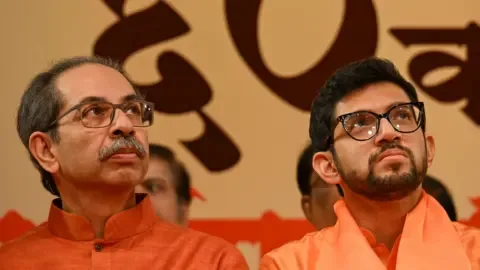
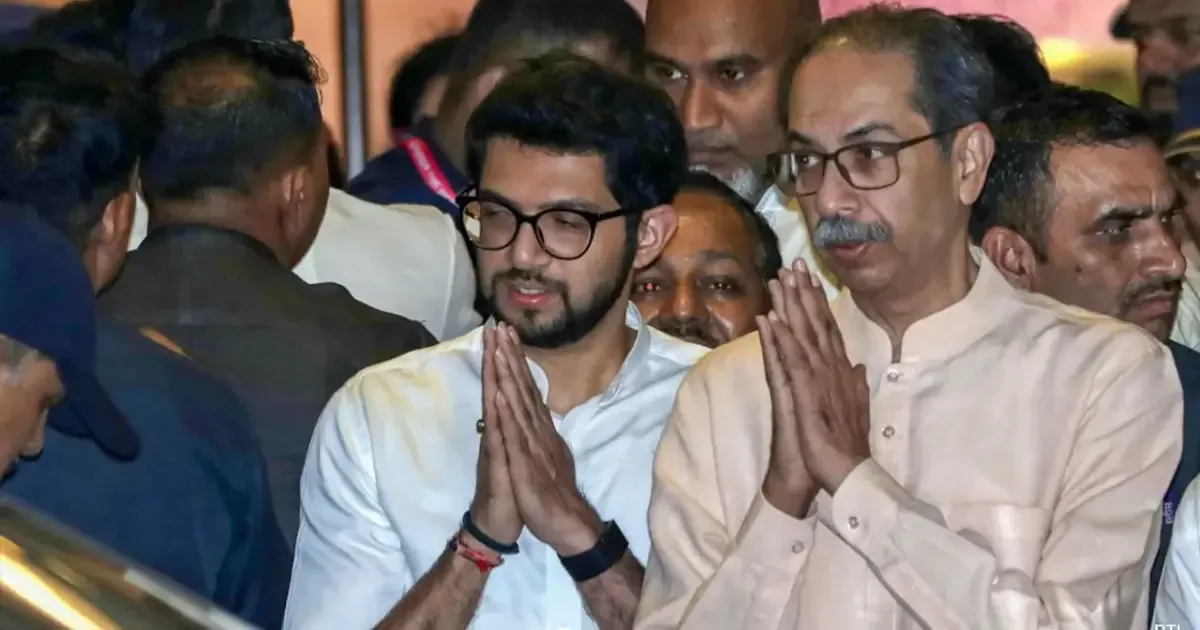
For the Thackeray family, led by former Maharashtra Chief Minister Uddhav Thackeray, this situation demands immediate crisis management. They have entered what political insiders describe as “firefighting mode,” aiming to contain the rebellion before it spreads further.
This internal unrest is not new for the Shiv Sena (UBT), but its timing is critical. The party is already weakened following a split from the original Shiv Sena, now allied with the Bharatiya Janata Party (BJP) in Maharashtra. Further defections could significantly impact Uddhav Thackeray’s political standing ahead of upcoming elections.
Rebel MPs Prepare to Detail Reasons for Defection
While the rebel MPs have not yet spoken publicly in detail, reports indicate they plan to explain their decision today. Their statements are likely to outline the reasons for leaving the party and potentially joining the rival Shiv Sena faction led by Chief Minister Eknath Shinde or another political group.
Although direct quotes from the rebels are not yet available, their expected explanations might include complaints about leadership style, perceived lack of opportunities within the party, or the allure of better prospects elsewhere. These are common catalysts for defections in Indian politics.
The exact number of rebel MPs remains unclear, with sources not specifying names or counts. However, the planned public explanation suggests this is not a minor or quiet departure, indicating its potential significance.
Political analysts suggest the rebels aim to justify their move to their constituents and the public. Defections can be controversial, especially if viewed as opportunistic. By providing explanations, the MPs hope to shape the narrative surrounding their actions.
Some observers believe the rebels are signaling their seriousness to the Thackeray camp. A public break is more definitive than a private disagreement, potentially compelling Uddhav Thackeray to respond more assertively or risk further losses.
Thackeray Family’s Response: Firefighting and Persuasion
The Thackeray family has not yet released an official statement, but sources confirm they are in “firefighting mode.” This involves Uddhav Thackeray and his team actively reaching out to loyal MPs, party workers, and local leaders to consolidate support.
In Indian politics, “firefighting mode” typically includes extensive phone calls, meetings, and assurances. Leaders strive to persuade wavering members to remain with the party, often offering concessions, positions, or guarantees about the party’s future direction.
Uddhav Thackeray, known for his measured approach, faces a significant leadership test. He assumed leadership of the Shiv Sena after his father Bal Thackeray’s passing and navigated the previous split with Eknath Shinde. Now, he confronts another rebellion within his own faction.
The Thackeray family’s response will be closely scrutinized. Success in containing the rebellion could strengthen Uddhav’s position, while failure might signal weakness.
Political analysts anticipate the Thackerays will employ a combination of persuasion and pressure. This might include reminding MPs of their loyalty to Bal Thackeray’s legacy or warning about the risks of aligning with the Shinde faction, perceived as being close to the BJP.
However, the family’s options are constrained. MPs possess the democratic right to leave a party. While the anti-defection law can penalize them for voting against their party in Parliament, it does not prevent them from resigning or switching allegiances before a floor test.
The Thackeray camp is also mindful of public perception, seeking to avoid appearing desperate or weak. They are balancing damage control with maintaining a strong public image.
Current Status of the Shiv Sena (UBT) Crisis
As of now, the crisis has not fully spiraled out of control, but the potential for escalation remains high. The rebel MPs’ anticipated statements could trigger a chain reaction, potentially encouraging other disgruntled MPs to leave.
The Shiv Sena (UBT) has a limited number of MPs in the Lok Sabha and Rajya Sabha. Losing even a few could diminish its influence in Parliament, creating a domino effect.
This crisis emerges at a time when the Shiv Sena (UBT) is already striving to maintain its identity. Following the split with the Shinde faction, the party lost control of the Maharashtra government, leading to Uddhav Thackeray’s resignation as chief minister in June 2022.
Since then, the party has focused on rebuilding through grassroots efforts and election preparations. However, internal dissent has been a persistent challenge, with some MPs feeling neglected or lacking adequate resources.
The current crisis may have been developing for weeks or months. The rebel MPs’ decision to go public suggests they have exhausted private channels for addressing their concerns, indicating a belief that the party cannot meet their needs through internal means.
The situation is still evolving, with the exact number of defecting MPs and the content of their statements yet to be confirmed. The Thackeray family is actively working behind the scenes to mitigate the damage.
Implications of the Rebellion for Shiv Sena (UBT)
A successful rebellion could significantly weaken the Shiv Sena (UBT), resulting in the loss of experienced lawmakers and a blow to the party’s reputation, particularly if the defections are perceived as a vote of no confidence in Uddhav Thackeray’s leadership.
In the long term, this could impact the party’s electoral performance. The upcoming Maharashtra state assembly elections in 2024 will require a strong team, and defections could reduce the candidate pool and lower morale.
The crisis also underscores a deeper issue within the Shiv Sena (UBT): the tension between established leaders and newer voices. Founded by Bal Thackeray as a regional party focused on Marathi identity, it has evolved, but internal factions have always been present.
Uddhav Thackeray’s efforts to modernize the party and forge alliances, including the coalition with Congress and NCP that led to his chief ministership, have faced challenges. That alliance dissolved after the Shinde rebellion.
Now, the party operates as a smaller entity, needing to rebuild trust among its members. The current crisis serves as a critical test of Uddhav’s ability to maintain party unity.
Political analysts suggest the Thackeray family’s “firefighting” strategy might offer short-term relief by incentivizing loyalty. However, lasting solutions require addressing the root causes of discontent.
Some MPs may feel the party is overly focused on Uddhav’s family, neglecting other leaders. Others might desire a clearer ideological direction. Tensions also arise from the party’s alliance with Congress and NCP, which some members find ideologically incompatible.
For the Shiv Sena (UBT) to thrive, internal reforms may be necessary. These could include empowering regional leaders, enhancing communication channels, and establishing a clear succession plan to prevent future rebellions.
The Path Forward: What Happens Next
The coming hours and days are critical. The rebel MPs’ statements today will significantly shape the crisis narrative. A unified and clear explanation could galvanize more MPs to defect, while a divided or unconvincing stance might weaken the rebellion.
The Thackeray family is expected to respond with their own communications. Uddhav Thackeray may address the media or party workers to reassure them and potentially announce disciplinary actions against the rebels, such as expulsion.
In the medium term, the crisis could lead to legal challenges, particularly concerning the anti-defection law. The Speaker of the Lok Sabha or Rajya Sabha may need to rule on the status of defecting MPs.
The most significant impact will likely be on upcoming elections. A loss of MPs could reduce the Shiv Sena (UBT)’s resources and influence, potentially hindering its ability to field strong candidates.
For the rival Shiv Sena faction led by Eknath Shinde, this crisis presents an opportunity to strengthen its position, especially given its alliance with the BJP and control of the state government.
The BJP could also benefit from a weakened Shiv Sena (UBT), facing less opposition to its agenda in Maharashtra and potentially expanding its political base.
For voters, this political drama has tangible consequences, affecting their representation in Parliament and the policies pursued.
Political analysts emphasize the need for swift and decisive action from the Thackeray family. Delay could embolden rebels, while overly aggressive measures might alienate loyalists.
Ultimately, the outcome hinges on the extent of MP dissatisfaction and the Thackeray camp’s ability to address their concerns. This situation is a significant test of Uddhav Thackeray’s leadership and his capacity to hold the party together.
The situation remains dynamic, with further details expected as the day unfolds. All eyes are on the rebel MPs’ statements and the Thackeray family’s subsequent moves.
Background: The Shiv Sena (UBT) and Its Ongoing Challenges
The Shiv Sena (UBT) represents the faction led by Uddhav Thackeray following the original Shiv Sena’s split in June 2022. This division occurred when Eknath Shinde, a prominent leader, rebelled against Uddhav’s leadership, taking a majority of the party’s MLAs with him. Shinde subsequently allied with the BJP and assumed the role of chief minister.
Since then, the Shiv Sena (UBT) has operated as a smaller opposition party, focusing on retaining its core support base among Marathi-speaking voters in Maharashtra. However, it has faced difficulties in regaining its previous strength.
The party’s primary challenge involves maintaining unity while contesting elections from a weakened position. Internal dissent has been a recurring issue, with some MPs expressing feelings of being sidelined or overlooked.
The current crisis represents another chapter in this ongoing struggle, highlighting that the party’s internal problems persist.
What Political Analysts Are Observing
Political analysts specializing in Maharashtra politics view the Thackeray family’s “firefighting” strategy as a typical response for Indian political parties facing internal rebellion. This approach typically combines persuasion, pressure tactics, and promises.
However, analysts caution that such measures may not resolve the underlying issues. The party needs to address the grievances of its MPs and rebuild trust through open communication and a willingness to share power.
Some analysts point to the Shiv Sena (UBT)’s strong emotional connection with its supporters, largely due to Bal Thackeray’s legacy. While this can aid Uddhav in maintaining party cohesion, it may not prevent all defections.
The coming days will be crucial in determining whether the Thackeray family can successfully navigate this challenge. Success could strengthen the party, while failure might signal the beginning of a prolonged decline.
The situation remains unresolved, with the rebel MPs poised to speak and the Thackeray family working behind the scenes. The political landscape in Maharashtra is currently in a state of flux.
This is a developing story, and further updates will be provided as new information becomes available. Stay tuned for the latest on the Shiv Sena (UBT) crisis.
Frequently Asked Questions
Why are Shiv Sena (UBT) rebel MPs defecting?
Rebel MPs from Uddhav Thackeray's Shiv Sena (UBT) are preparing to publicly explain their defection today. While specific reasons are not yet detailed, common causes for such moves in Indian politics include dissatisfaction with leadership, lack of opportunities, or perceived better prospects elsewhere.
What is the Thackeray family's response to the crisis?
The Thackeray family, led by Uddhav Thackeray, is in "firefighting mode." This involves actively reaching out to loyal party members, holding meetings, and attempting to persuade wavering MPs to stay. They are balancing damage control with maintaining a strong public image.
How many MPs are defecting from Shiv Sena (UBT)?
The exact number of rebel MPs remains unclear at this time. Sources have not specified names or counts, but the fact that they are planning a public explanation suggests it is a significant development rather than a minor or quiet departure.
What are the potential consequences of these defections for Shiv Sena (UBT)?
If the rebellion is successful, it could significantly weaken the Shiv Sena (UBT) by causing the loss of experienced lawmakers and damaging the party's reputation. This could also negatively impact their performance in upcoming elections, such as the 2024 Maharashtra state assembly elections.
What is the political background of the Shiv Sena (UBT) crisis?
The Shiv Sena (UBT) is the faction led by Uddhav Thackeray after the original Shiv Sena split in June 2022, when Eknath Shinde rebelled and formed a government with the BJP. The party has since been in a weaker opposition position, facing challenges in maintaining unity and regaining strength.
What do political analysts say about the situation?
Analysts describe the Thackeray family's response as typical "firefighting" but caution that it may not solve underlying issues. They emphasize the need for open communication and addressing MP grievances. The legacy of Bal Thackeray is seen as a strength, but not a guaranteed solution to prevent defections.
References
- Uddhav Sena Crisis May Spiral Today. Thackerays Enter Firefighting Mode – Original report (NDTV India)
- Uddhav Sena Crisis May Spiral Today. Thackerays Enter Firefighting Mode – NDTV – This duplicate source provided no additional text; used only title and URL as noted.