At a Glance
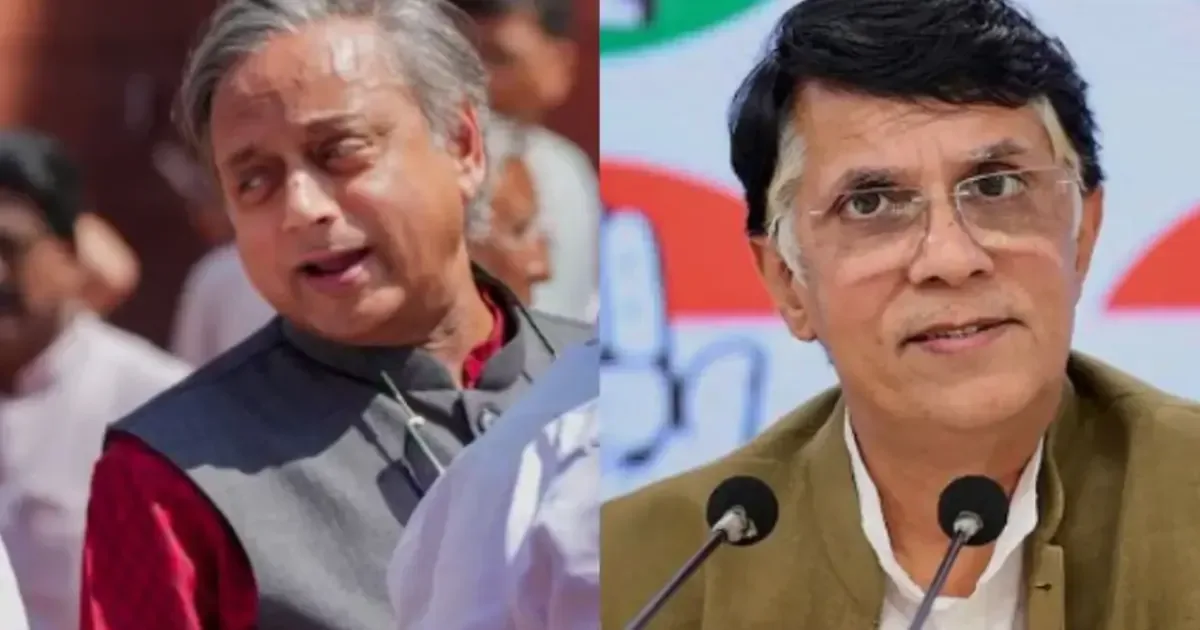
The Congress party is once again embroiled in an internal feud, this time targeting senior leader Shashi Tharoor for praising Prime Minister Narendra Modi. Spokesperson Pawan Khera sarcastically mocked Tharoor, who then fired back, reigniting debates about party discipline and individual expression. This incident highlights ongoing tensions within Congress regarding its stance on Modi and its internal power dynamics.
Key Takeaways
The main points at a glance
- Congress spokesperson Pawan Khera publicly mocked Shashi Tharoor for praising PM Modi, escalating an internal party feud.
- Tharoor responded sharply, defending his right to express his views and questioning the party’s focus.
- This is not the first time Tharoor has faced criticism from his party for praising Modi’s policies or leadership.
- The Congress party officially stated Tharoor’s admiration for Modi “appears to have transcended the physical world,” using strong language to distance itself.
- The feud highlights Congress’s struggles with internal unity, the balance between dissent and discipline, and its unclear ideological strategy against the BJP.
- Social media played a key role, making the internal dispute a public spectacle and complicating party management.
The Latest Flashpoint in Congress’s Internal War
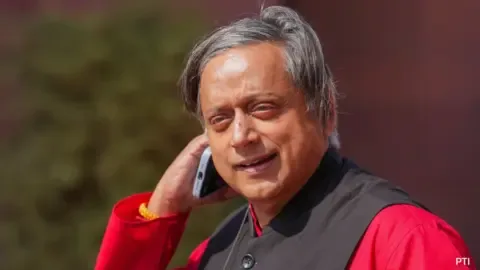
The ongoing tension inside the Congress party has burst into the open once again, this time targeting senior leader Shashi Tharoor for his public praise of Prime Minister Narendra Modi. Congress spokesperson Pawan Khera took a sharp, sarcastic dig at Tharoor on social media, claiming he “hears what the PM doesn’t even say.” Tharoor responded sharply, reigniting a long-running drama within India’s main opposition party. This is not a small squabble; it’s the latest chapter in a series of clashes where Tharoor’s occasional praise for Modi has repeatedly angered the party establishment.
The party’s official stance, as reported by The Times of India and The Economic Times, is that Tharoor’s admiration for the prime minister “appears to have transcended the physical world,” reflecting how seriously the party views his statements.
What Exactly Happened in the Congress Shashi Tharoor Feud Over Modi Praise?
The recent incident began when Shashi Tharoor, a former Union minister and author, made remarks praising Narendra Modi’s leadership. While the specifics of his praise were not detailed, the Congress party machinery reacted swiftly. Pawan Khera, a party spokesperson, posted a sarcastic message on Twitter (now X): “hears what the PM doesn’t even say.” This was widely seen as an attempt to humiliate Tharoor and signal that the party high command does not tolerate public praise for Modi from its members.
Tharoor, known for his sharp wit, responded immediately and cuttingly, defending his right to express his views and questioning why the party was targeting him instead of focusing on national issues. This brief but intense exchange reignited the debate about Tharoor’s position within the Congress, with analysts suggesting the fight is about more than just words – it’s about party control, discipline, and future direction.
Not the First Time Tharoor Has Clashed with Congress
This is far from an isolated incident. Shashi Tharoor has a history of clashing with his party leadership by speaking in ways that deviate from the official line. He has previously praised Modi’s foreign policy and leadership style, drawing criticism and public scolding from within Congress. Despite these clashes, Tharoor remains a Member of Parliament and a prominent party figure, partly due to his intellectual contributions and international respect.
His independent streak, however, creates constant friction. As noted in Frontline Magazine’s article “Much Ado About Tharoor” by Anand Mishra, this dynamic is often framed as a “Power Play” where different factions use Tharoor’s statements to their advantage. The Congress party, while traditionally allowing dissent, also demands discipline, and Tharoor frequently tests these boundaries.
The Party’s Official Line: ‘Transcended the Physical World’
Beyond Khera’s social media jab, the Congress party issued a more formal statement, as reported by The Times of India and The Economic Times. The party slammed Tharoor’s admiration for Prime Minister Modi, stating it “appears to have transcended the physical world.” This colorful phrase implies Tharoor’s praise is beyond reality, suggesting he hears compliments Modi never uttered.
This statement was a deliberate, sarcastic jab intended to mock Tharoor and highlight the party’s frustration. By using such strong language, the Congress aimed to distance itself from Tharoor’s comments and send a clear message to all members: praising Modi is unacceptable.
Why This Congress Shashi Tharoor Feud Matters
This internal feud has significant implications. Firstly, it underscores the Congress party’s ongoing struggle with internal unity, particularly after years out of national power. Secondly, it highlights the tension between individual expression and party discipline; while freedom of speech is crucial, a senior leader praising the main political rival damages the party’s credibility.
Thirdly, it impacts Tharoor’s political future, potentially hindering his standing within the party and making him a target for internal rivals. Fourthly, it provides ammunition for the ruling Bharatiya Janata Party (BJP), which can use these divisions to portray Congress as weak and divided. Finally, it reflects a deeper issue: the Congress party’s lack of a clear, unified ideological stance on Modi, creating strategic confusion.
A History of Tharoor’s Praise for Modi
Shashi Tharoor’s past statements reveal a pattern of complimenting Prime Minister Modi. In 2014, he praised Modi’s foreign policy for bringing new energy to diplomacy. After the 2019 Balakot airstrikes, Tharoor commended Modi’s handling of national security, which drew sharp criticism from his own party for allegedly undermining Congress’s stance.
Tharoor has also written articles defending some of Modi’s decisions, calling him a strong leader and criticizing the opposition for excessive negativity. Each positive comment about Modi sparks a storm within Congress, with leaders accusing Tharoor of betrayal. However, Tharoor maintains he is simply stating facts and that praising good policies is not equivalent to supporting the BJP. He believes Congress should learn from Modi’s successes rather than engaging in blind opposition, a philosophy that often puts him at odds with the party leadership’s view of Modi as a threat to democracy.
The Role of Social Media in the Latest Spat
The recent exchange between Khera and Tharoor played out prominently on social media, particularly Twitter (now X). Khera’s sarcastic post and Tharoor’s immediate, sharp reply were visible to millions, changing how internal party disputes unfold. Previously confined to private discussions, these conflicts are now public spectacles.
Social media platforms give leaders like Tharoor a direct channel to express views and defend themselves without needing party approval, making them harder to control. Khera, as a spokesperson, likely used his post with higher-ups’ approval to publicly discipline Tharoor. This public nature of the dispute, while entertaining for observers, embarrasses the Congress by highlighting its internal divisions.
Expert Analysis of the Congress-Tharoor Conflict
Political analysts view this incident as symptomatic of deeper issues within the Congress. Many point to the party’s struggle to form a coherent strategy against Modi, caught between aggressive opposition and constructive criticism. Some experts see Tharoor as an asset due to his articulation and experience, arguing the party should leverage his talents rather than alienate him.
Conversely, others consider Tharoor a liability whose praise for Modi confuses the party’s message and aids the BJP’s narrative. Anand Mishra of Frontline Magazine described the situation as a “Power Play,” suggesting the conflict involves internal power struggles where factions use Tharoor to attack rivals, and the leadership attempts to assert authority. Regardless of the cause, analysts agree the feud is damaging, distracting from national issues and making Congress appear weak and divided.
What Happens Next in the Congress-Tharoor Feud?
Formal disciplinary action against Tharoor by the Congress party is unlikely, as expelling or suspending such a senior leader would create a larger crisis. However, the party will likely continue to pressure him. Khera’s sarcastic post served as a warning to Tharoor to be more cautious and signaled to other party members that praising Modi has consequences.
Tharoor, known for his strong will, shows no signs of backing down and believes in his right to express his views. He has weathered similar attacks before and is expected to do so again. The long-term question remains whether Congress can accommodate leaders like Tharoor, tolerate dissent, and maintain unity, or if these internal conflicts will eventually force him out. The recurring nature of these tensions suggests the drama will continue.
Broader Implications for the Congress Party’s Future
This episode is part of a larger pattern of internal democracy struggles within the Congress. Many leaders feel a small group controls the party and that dissent is not tolerated, leading to a culture of fear where members hesitate to voice independent opinions. Tharoor’s situation symbolizes this, as others have also faced criticism for expressing views contrary to the party line.
This internal fighting alienates voters, especially younger demographics who seek united parties focused on issues. In contrast, the BJP’s disciplined public image, rarely showing internal dissent, provides a perceived advantage. The Congress needs to find a way to balance dissent with unity, cease internal conflicts, and focus on challenging the BJP to improve its electoral prospects.
The Human Element: Two Leaders, One Party
At the heart of this political conflict are two individuals with different approaches. Pawan Khera, a loyal party spokesperson, defends Congress and attacks critics, believing Tharoor’s praise for Modi harms the party. Shashi Tharoor, an intellectual, believes in acknowledging good work regardless of the source and values his independence, seeing his nuanced perspective as potentially helpful to the party.
The clash between Khera’s emphasis on discipline and Tharoor’s individuality is almost inevitable within a party demanding loyalty. Their public spat highlights this fundamental tension, leaving the party to navigate the difficult balance between conformity and independent thought.
Frequently Asked Questions
What triggered the latest Congress vs Shashi Tharoor feud?
The feud was triggered by Shashi Tharoor's public praise for Prime Minister Narendra Modi. Congress spokesperson Pawan Khera responded with a sarcastic social media post mocking Tharoor's comments.
Has Shashi Tharoor praised PM Modi before?
Yes, Shashi Tharoor has a history of praising PM Modi's foreign policy, leadership style, and handling of national security issues on multiple occasions since 2014.
How did the Congress party officially react to Tharoor's praise?
The Congress party officially stated that Tharoor's admiration for Modi "appears to have transcended the physical world," using sarcastic language to criticize his comments.
Why does the Congress party object to Tharoor praising Modi?
The party objects because Modi is their main political rival, and praise from a senior Congress leader can undermine the party's stance, confuse its message to voters, and provide ammunition to the BJP.
What was Shashi Tharoor's response to Pawan Khera's criticism?
Tharoor responded sharply and defended his right to express his views, questioning why the party was targeting him instead of focusing on national issues.
What is the significance of this feud for the Congress party?
The feud highlights ongoing issues with internal unity, the challenge of balancing individual expression with party discipline, and the lack of a clear, unified strategy against the ruling BJP.
How has social media influenced this conflict?
Social media has made internal disputes public, allowing leaders like Tharoor to respond directly and quickly, turning party disagreements into public spectacles that can embarrass the party.
References
- 'He Hears What PM Doesn't Say': Congress, Shashi Tharoor In Fresh Bout – Original report (NDTV India)
- 'He Hears What PM Doesn't Say': Congress, Shashi Tharoor In Fresh Bout – NDTV – NDTV's original RSS item sets the story with the sarcastic exchange between Khera and Tharoor.
- Pawan Khera mocks Shashi Tharoor over Modi praise: 'He hears what PM doesn't even say' – Moneycontrol.com – Moneycontrol's headline echoes the 'hears what PM doesn't even say' phrase, confirming Khera's mockery.
- 'Beyond the physical world': Congress mocks Tharoor's 'admiration' for PM Modi – The Times of India – The Times of India adds the 'transcended the physical world' quote, showing the party's sharp attack.
- His admiration for PM appears to have transcended physical world: Congress slams Tharoor – The Economic Times – The Economic Times confirms the Congress's official slam, using the same 'transcended the physical world' line.
- Much Ado About Tharoor | Power Play by Anand Mishra – Frontline Magazine – Frontline Magazine