At a Glance
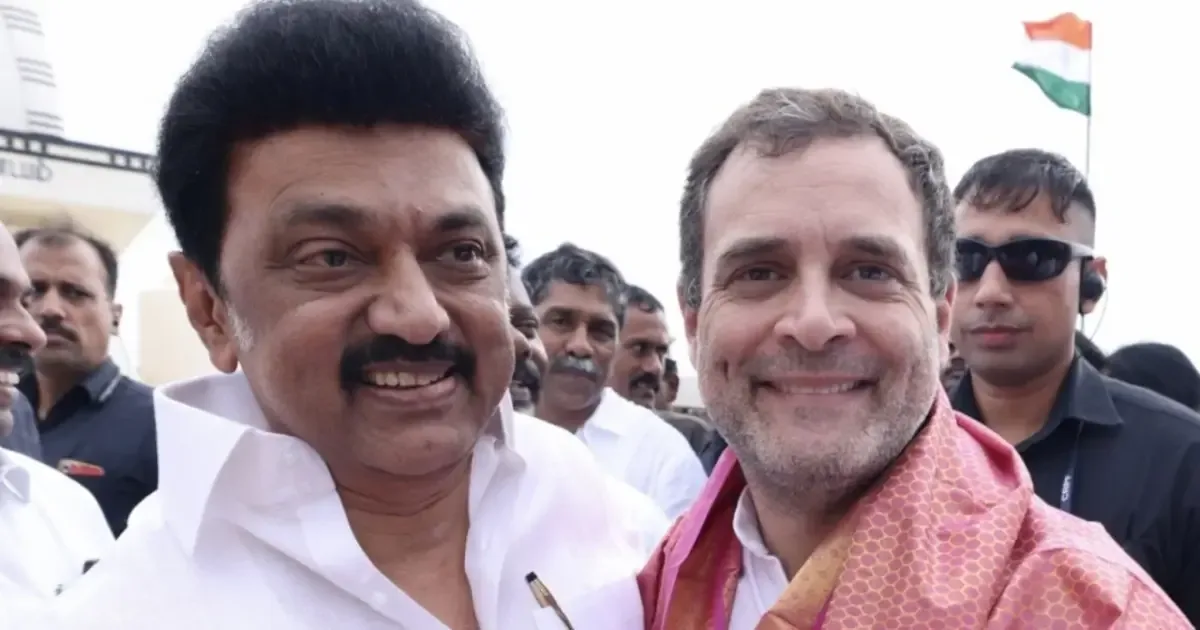
An exchange of birthday wishes between Tamil Nadu CM MK Stalin and Rahul Gandhi has fueled speculation about a potential rift in the Congress-DMK alliance. Stalin’s brief, formal message is seen by some as a signal of displeasure, while Gandhi’s longer reply is interpreted as an attempt to mend fences and preserve their long-standing partnership ahead of upcoming state elections.
Key Takeaways
The main points at a glance
- MK Stalin’s formal birthday wish to Rahul Gandhi is interpreted as a subtle political signal, potentially indicating strain in the Congress-DMK alliance.
- Rahul Gandhi’s detailed reply is seen as an ‘olive branch,’ referencing shared history and urging continued collaboration to mend perceived rifts.
- Congress is exploring an alliance with the new party TVK, led by actor Vijay, seeking greater political leverage and independence in Tamil Nadu.
- DMK leaders privately express anger and a sense of betrayal over Congress’s potential move towards TVK, though they also acknowledge Congress’s electoral value.
- The political maneuvering is significant for the 2026 Tamil Nadu assembly elections, where alliance shifts could dramatically alter the electoral math.
- The situation reflects broader challenges Congress faces with regional allies across India, stemming from national leadership ambitions versus regional autonomy.
A birthday wish from Tamil Nadu’s chief minister MK Stalin to Rahul Gandhi has sparked speculation about the future of the Congress-DMK alliance. Gandhi’s reply is seen by some as an attempt to mend fences, while Stalin’s brief message is interpreted as a subtle signal of discontent. This exchange occurs as the parties, long-time allies in Tamil Nadu, appear to be drifting apart ahead of crucial assembly elections.
Stalin’s Birthday Wish: A Subtle Political Signal
The birthday greeting from MK Stalin to Rahul Gandhi, though not publicly detailed, is being closely analyzed by political observers. Sources suggest the tone was formal and lacked the usual warmth, interpreted by many as a message with underlying significance. In Indian politics, such seemingly minor gestures can carry substantial weight, especially in regional alliances built on personal rapport.
For political analysts, Stalin’s concise wish was the first public indication of a potential shift in the Congress-DMK relationship. While party spokespersons remain tight-lipped, the underlying sentiment suggests a cooling of ties. The perceived chill is largely attributed to Congress’s recent overtures towards the Tamilaga Vettri Kazhagam (TVK), a party founded by actor Vijay, which could signal the end of the Congress-DMK partnership in Tamil Nadu.
Rahul Gandhi’s Olive Branch: An Attempt to Preserve the Alliance
Rahul Gandhi’s response to Stalin’s birthday wish is being characterized as a deliberate effort to extend an olive branch. His reply was reportedly more detailed than a simple thank you, aiming to smooth over growing rifts within the alliance. Insiders indicate that Gandhi referenced their shared history and joint efforts against the BJP, emphasizing the importance of continuing their collaboration.
Gandhi’s message was carefully crafted, aiming to convey warmth without being overly effusive. It acknowledged past successes, such as the INDIA bloc’s performance in the 2024 Lok Sabha elections where they secured all 39 seats in Tamil Nadu. However, the reply did not directly address the Congress’s potential alliance with TVK, leaving room for dialogue without making new commitments.
Why Congress is Considering an Alliance with TVK
The potential alliance between Congress and TVK stems from Congress’s desire for greater political leverage in Tamil Nadu. TVK, led by popular actor Vijay, is a new but influential force with a significant youth following. For Congress, which has often played a junior role in the DMK-led alliance, partnering with TVK offers a chance to build an independent political identity.
However, this move carries risks. Aligning with TVK means potentially alienating DMK, a seasoned and deeply rooted party in Tamil Nadu. While TVK brings star power and a potentially large voter base, it remains untested in electoral contests. Congress leaders are reportedly frustrated with the perceived lack of respect and space within the DMK alliance, making the prospect of a new partnership appealing for increased visibility and influence.
DMK’s Internal Reaction to Congress’s New Direction
While DMK leaders have remained publicly silent on the Congress-TVK discussions, private reactions suggest a mix of anger and strategic calculation. Senior DMK figures reportedly feel a sense of betrayal, given the long-standing alliance and its past successes, including sweeping the 2024 Lok Sabha polls. They are concerned about Congress aligning with a new partner without prior consultation.
Despite the resentment, DMK recognizes the value Congress brings, particularly its vote share among certain communities. Some within DMK advocate for a cautious approach, keeping communication channels open to explore potential compromises. The birthday exchange between Stalin and Gandhi is seen as part of this complex negotiation, a way for both parties to gauge intentions without definitive action.
Implications for Tamil Nadu’s 2026 Elections
The current political maneuvering is directly linked to the upcoming 2026 Tamil Nadu assembly elections. The potential dissolution of the Congress-DMK alliance could significantly alter the electoral landscape. In the 2021 elections, the DMK-led alliance secured a dominant victory, with Congress contributing 18 seats to the tally.
A new Congress-TVK front would face formidable opponents in DMK and AIADMK. The outcome remains uncertain, with predictions varying on DMK’s continued dominance, TVK’s potential impact, and AIADMK’s strength. The formation of alliances will be critical, and Congress’s decision could either split the anti-DMK vote, benefiting AIADMK, or create a significant third front. The 2026 elections are poised to be highly competitive.
Congress’s Wider Alliance Challenges
The friction with DMK is not an isolated issue for Congress; similar challenges are emerging with regional allies across India. In West Bengal, seat-sharing disputes have strained relations with the Trinamool Congress, another INDIA bloc partner. In Punjab, Congress has faced governance clashes with ally Aam Aadmi Party, and in Uttar Pradesh, the Samajwadi Party has expressed concerns about Congress’s commitment to opposition unity.
These tensions often arise from a fundamental conflict: Congress’s national leadership ambitions versus regional parties’ desire for autonomy. The Congress-DMK situation in Tamil Nadu is significant due to the state’s political importance. A weakened Congress presence in Tamil Nadu could diminish the opposition’s collective strength nationally.
Future of the Congress-DMK Relationship: Patch-Up or Parting Ways?
The future of the Congress-DMK alliance remains uncertain. While Congress appears set on its potential alliance with TVK, DMK is reportedly not entirely closing the door. Stalin’s birthday wish and Gandhi’s reply could be part of a discreet effort to find common ground or a compromise, possibly involving Congress contesting fewer seats while maintaining ties with TVK.
Navigating such a compromise would be challenging, potentially requiring TVK to accept Congress’s dual allegiances and DMK to tolerate a new rival. The coming months will be pivotal. Direct meetings between leaders might signal a desire for reconciliation, whereas continued indirect communication could indicate a widening rift. The political circles in Delhi and Chennai are closely observing these developments, viewing the birthday exchange as a symbol of the broader challenge of managing alliances in a dynamic political environment.
The core questions persist: Was Gandhi’s reply a genuine attempt to salvage the alliance, or a polite formality? Was Stalin’s wish a sign of displeasure, or an over-analyzed greeting? The answers will unfold as the election season progresses, with every political gesture holding significant weight.
Frequently Asked Questions
What was the nature of Stalin's birthday wish to Rahul Gandhi?
While the exact words were not made public, political observers suggest MK Stalin's birthday wish to Rahul Gandhi was formal and brief, lacking the usual warmth. This has led to speculation that it carried a subtle political message.
How did Rahul Gandhi respond to Stalin's birthday wish?
Rahul Gandhi's reply was reportedly longer and more personal, described as an 'olive branch.' He is said to have recalled their shared history and joint efforts, aiming to smooth over any perceived cracks in the alliance.
Why is there speculation about a rift between Congress and DMK?
Speculation arises from Congress's reported overtures towards the Tamilaga Vettri Kazhagam (TVK), a new party founded by actor Vijay. This move is seen as a potential shift away from their long-standing alliance with DMK in Tamil Nadu.
What does Congress hope to gain by aligning with TVK?
Congress sees an alliance with TVK as an opportunity to build its own political identity in Tamil Nadu, stepping out of DMK's shadow. TVK brings star power and a potentially large youth following, offering Congress more leverage and visibility.
How has DMK reacted to Congress's potential alliance with TVK?
Publicly, DMK leaders have remained silent. However, privately, there is reported anger and disappointment over Congress's perceived betrayal. Despite this, some DMK leaders advocate for keeping communication lines open.
What are the implications of these alliance shifts for the 2026 Tamil Nadu elections?
Any shift in alliances will significantly impact the 2026 elections. A break between Congress and DMK could alter the electoral landscape, potentially splitting votes and influencing the outcome between DMK, AIADMK, and any new fronts formed.
Is this tension between Congress and DMK an isolated incident?
No, the friction with DMK is part of a larger pattern of challenges Congress faces with regional allies across India. Similar issues have arisen with parties like Trinamool Congress, Aam Aadmi Party, and Samajwadi Party, highlighting tensions between Congress's national ambitions and regional parties' autonomy.
References
- Breakup Tale In MK Stalin's Wish For Rahul Gandhi, His Reply A Patch-Up Bid – Original report (NDTV India)
- Breakup Tale In MK Stalin's Wish For Rahul Gandhi, His Reply A Patch-Up Bid – NDTV – NDTV
- Congress Cancels Rahul Gandhi's Bengal Poll Visit, Blames Trinamool – NDTV – Provides context of Congress's strained relations with another regional ally, Trinamool Congress in West Bengal.
- Faced With Tamil Nadu Exit Poll Maze, MK Stalin Cool; Vijay, AIADMK Confident – NDTV – Provides insight into the competitive dynamics in Tamil Nadu involving DMK, TVK (Vijay), and AIADMK.
- NDTV 24×7 Live TV, Live English News Channel, Free Live Streaming Online, Watch Live News – NDTV – Live TV stream; no unique textual content contributed to the story.