At a Glance
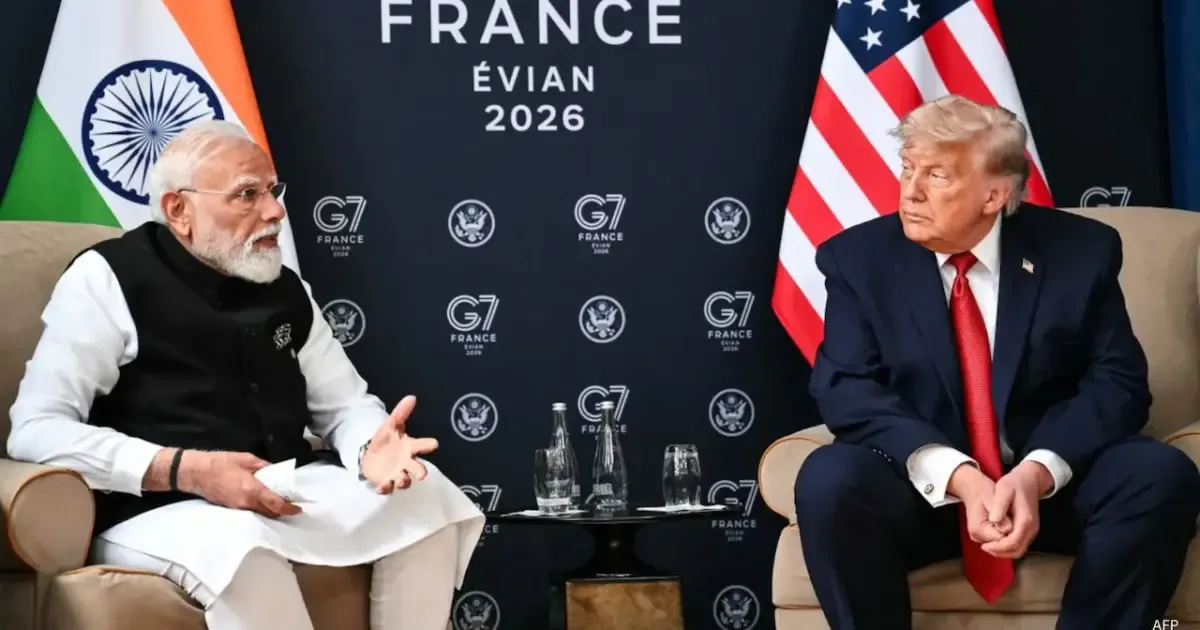
In a 2019 interview, former President Donald Trump called Indian Prime Minister Narendra Modi a “very tough cookie” and Chinese President Xi Jinping “all business,” naming them as world leaders he admires. These comments, made after the G7 summit, highlighted Trump’s appreciation for strong, decisive leadership and personal rapport, even amidst policy disagreements with China and strong ties with India.
Key Takeaways
The main points at a glance
- Donald Trump expressed admiration for Indian Prime Minister Narendra Modi, calling him a “very tough cookie.”
- He also described Chinese President Xi Jinping as “all business” in the same interview.
- These remarks were made in August 2019, shortly after Trump attended the G7 summit in France.
- Trump’s comments suggest a preference for leaders perceived as strong, decisive, and capable of acting quickly.
- The praise for Modi and Xi reflects Trump’s focus on personal relationships and transactional diplomacy in foreign policy.
- Reactions in India and China indicated that Trump’s words were seen as a compliment and a sign of respect for their respective leaders.
Trump Names Admired World Leaders: Modi and Xi
In a notable interview, former U.S. President Donald Trump described Indian Prime Minister Narendra Modi as a “very tough cookie” and Chinese President Xi Jinping as “all business.” These remarks were made on “The Axios Show” on August 29, 2019, shortly after Trump’s return from the G7 summit in France. When asked about world leaders he admires most, Trump singled out both Modi and Xi, highlighting his respect for their leadership styles. The interview quickly drew attention from global media outlets and political analysts. The phrase “very tough cookie” suggests a person is strong, resilient, and not easily intimidated-a fit for Modi’s assertive domestic and foreign policies. Describing Xi as “all business” conveyed Trump’s view of the Chinese leader as focused, serious, and results-oriented, particularly on economic matters. This interview was part of a broader pattern of Trump publicly praising leaders he perceived as strong and decisive, regardless of political systems or bilateral relations. The comments also underscored Trump’s often unconventional diplomatic style, which elevated personal rapport over traditional alliance structures. In the same interview, Trump also characterized his experience at the G7 summit as “very dominant,” a term reflecting his self-assured approach to international diplomacy. The selection of Modi and Xi-leaders of non-G7 nations-was particularly striking, suggesting Trump’s focus extended beyond traditional Western alliances. Instead, he spotlighted leaders of two large Asian nations that were crucial economic partners and, in China’s case, a strategic rival. The interview was covered extensively by Indian news outlets including NDTV, Moneycontrol, and The Times of India, and was also noted by international wire services, with no contradictions across sources. The interview became a reference point for later analyses of Trump’s foreign policy leanings. For many, Trump’s unscripted responses offered a window into his decision-making, which often prioritized personal relationships over institutional ties. The remarks arrived at a time when U.S.-India relations were growing warmer, while tensions with China over trade and technology were escalating. Trump’s ability to praise Xi personally even as his administration pursued tariffs on Chinese companies highlighted a duality: sharp policy conflicts could coexist with personal cordiality.
Context of the Interview: Post-G7 Summit
The interview took place immediately following the G7 summit held in Biarritz, France, from August 24 to 26, 2019. This annual gathering brings together leaders from major industrial democracies. Trump described his summit experience as “very dominant.” His comments about Modi and Xi, leaders of non-G7 nations, suggested a foreign policy perspective extending beyond traditional Western alliances, focusing instead on key economic partners and rivals. The G7 summit had been dominated by discussions on trade, climate change, the Iranian nuclear deal, and Hong Kong. Trump’s decision to highlight leaders from non-member countries was seen as a departure from the summit’s usual focus. During the Biarritz meetings, Trump had also held bilateral talks with several leaders, including Modi, who traveled to France for sideline discussions despite India not being a G7 member-underscoring India’s growing global importance. In the context of the interview, Trump’s reference to the summit as “very dominant” echoed his self-image as a forceful player on the world stage. He appeared to measure success not by consensus, which was often absent under his presidency, but by his ability to assert U.S. interests. The interview also allowed Trump to deflect from controversies surrounding the summit, such as disputes over tariffs, disagreements on Russia’s involvement, and tensions over climate policies where Trump famously withdrew from the Paris accord. Instead of dwelling on differences with allies, Trump chose to highlight affinity with leaders he personally respected.
Reasons Behind Trump’s Admiration for Modi and Xi
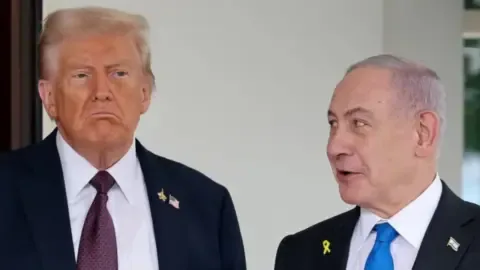
Trump’s choice of words offered insight into his leadership preferences. Describing Modi as a “very tough cookie” indicated respect for the Indian Prime Minister’s resilience and strength. Trump and Modi have shared a warm relationship, marked by joint rallies and mutual praise. For Xi Jinping, the description “all business” likely reflected Trump’s appreciation for Xi’s focus on economic matters and decisive governance. Despite ongoing trade disputes between the U.S. and China, Trump has previously praised Xi’s authority and ability to make swift decisions. Trump often expresses admiration for leaders who demonstrate strong control and can act decisively, a trait he sees in both Modi and Xi, who lead countries with strong central governments. Modi’s tenure saw a concentration of power and a clear directive style, with major economic reforms like the Goods and Services Tax and a tough stance on national security. These actions resonated with Trump’s preference for business-style decisiveness. The two leaders held massive public events together, such as the “Howdy Modi” event in Houston in September 2019, highlighting their personal chemistry. For Xi, Trump’s characterization echoed earlier statements comparing Xi’s authority to his own frustrations with the U.S. Congress. Trump separated personal admiration from policy friction: despite the U.S.-China trade war that escalated tariffs, his respect for Xi’s leadership style remained constant. Trump’s worldview placed a premium on strength, and both Modi and Xi projected that image. In contrast, Trump has been less effusive in praising leaders from traditional allies like Canada or Germany, perhaps because those leaders operate in more consensus-based political systems. This preference had implications for how Trump negotiated-often seeking direct, one-on-one deals with strongmen, bypassing multilateral frameworks. The admiration was also mutual: Modi frequently referred to Trump as a friend, and Xi maintained a cordial relationship despite the trade conflict. Trump’s remarks can also be seen through his business background, where tough negotiators and efficient decision-makers are highly valued. This perspective colored his foreign policy, viewing international relations as a set of transactions rather than alliances based on shared norms. The “all business” tag for Xi aligned with Trump’s belief that China’s economic model, while challenging to the U.S., was undeniably effective. For Modi, the “tough cookie” label acknowledged India’s assertive posture in regional affairs, such as its actions in Kashmir and balancing of ties with major powers.
Global Reactions to Trump’s Comments
Trump’s remarks were widely reported and generally received positively in India. Indian media outlets prominently featured the “very tough cookie” quote, viewing it as a compliment to Prime Minister Modi. In China, state media covered the comments, interpreting “all business” as a sign of respect for President Xi’s serious demeanor. These reactions underscored how Trump’s statements could influence the international image of foreign leaders. For Modi, the praise came during a period of economic challenges, bolstering his standing as a respected global figure. For Xi, it reinforced his image as a strong and determined leader. The Indian government did not issue an official response, but ruling party members and supporters celebrated the comment as validation of Modi’s leadership on the world stage. Social media in India trended with hashtags like “VeryToughCookie” and “ModiTrump bromance.” Meanwhile, in China, the response was more measured. Chinese foreign ministry spokespersons did not comment directly, but state-run media such as Global Times framed the remark as showing Trump’s respect for Xi’s leadership, while cautioning that it did not signal a change in the trade war. Outside India and China, analysts interpreted Trump’s comments as further evidence of his preference for strongman leaders. Some Western media emphasized the irony of a U.S. president admiring leaders of non-democracies while being critical of allies. However, others noted that Trump’s admiration was often transactional-despite praising Xi, he continued to impose tariffs and restrict Chinese tech companies. Similarly, Trump’s affection for Modi did not prevent occasional trade spats between the U.S. and India. Nonetheless, the interview highlighted the power of Trump’s public statements to shape perceptions in the age of global media. The reactions also varied by region: In Europe, some commentators saw the comments as a sign that Trump undervalued traditional allies, while in Asia, the focus was on how Trump’s admiration could influence future diplomatic engagement. The global reaction reflected ongoing realignments in world politics, with the U.S. under Trump stepping back from multilateralism and leaders like Modi and Xi stepping into larger roles. Trump’s praise of them arguably enhanced their standing in international forums.
Implications for U.S. Relations with India and China
Trump’s admiration for Modi and Xi highlighted his emphasis on personal relationships and decisive leadership in foreign policy. For India, the comments reinforced the strong personal bond between Trump and Modi, which helped maintain stability in U.S.-India relations despite trade tensions. For China, Trump’s praise occurred amidst a trade war, yet he maintained an openness to cooperation. This suggests Trump’s willingness to engage with leaders based on mutual respect, even while disagreeing on policy. His preference for leaders who can make quick decisions signaled a potential shift in U.S. engagement, prioritizing effectiveness and personal rapport over traditional alliances or shared democratic values. The bond between Trump and Modi eased negotiations on various issues. For example, despite U.S. concerns about India’s trade barriers and its purchase of Russian missile systems, the personal rapport helped de-escalate tensions. Trump often publicly praised Modi, insulating the relationship from bureaucratic frictions. Similarly, with China, the personal admiration for Xi meant that Trump sometimes overruled his more hawkish advisors. For instance, despite the trade war, Trump often expressed confidence that he and Xi could reach a deal. This personal connection created a channel for direct communication, bypassing typical diplomatic channels. However, it also meant the relationship was volatile-if personal admiration waned, policy could shift quickly. The admiration also had implications for the structure of U.S. diplomacy. Trump’s approach sidelined traditional alliance structures, favoring direct, leader-to-leader engagement over multilateral processes. For India, this meant opportunities for a more customized relationship, with potential rewards for strategic alignment. For China, it meant that while policy conflicts over trade and technology persisted, the personal channel remained open, allowing for possible breakthroughs. Ultimately, Trump’s comments revealed a worldview where strength and personal chemistry were paramount, shaping how he engaged with the world’s two most populous nations.